
AI-assisted learning platform helps robots reason beyond literal commands
The new approach, known as FLEX, could lead to more intuitive, interactive household and assistive robots.
More from the blog
Gemini Robotics 2.5 accelerates real-world general dexterity
Our most capable vision-language-action model enhances robot dexterity, reliability, and safety
A single AI model simulates the behavior of many substances, from sliding sand to folding proteins
By learning how matter moves, the WorldParticle system could assist with developing soft robots, medicines, and more.

How to predict the behavior of molecules from scant data
A machine-learning approach called CheMeleon provides a practical way to develop new drugs or other molecules with much less detailed, expensive experimentation.
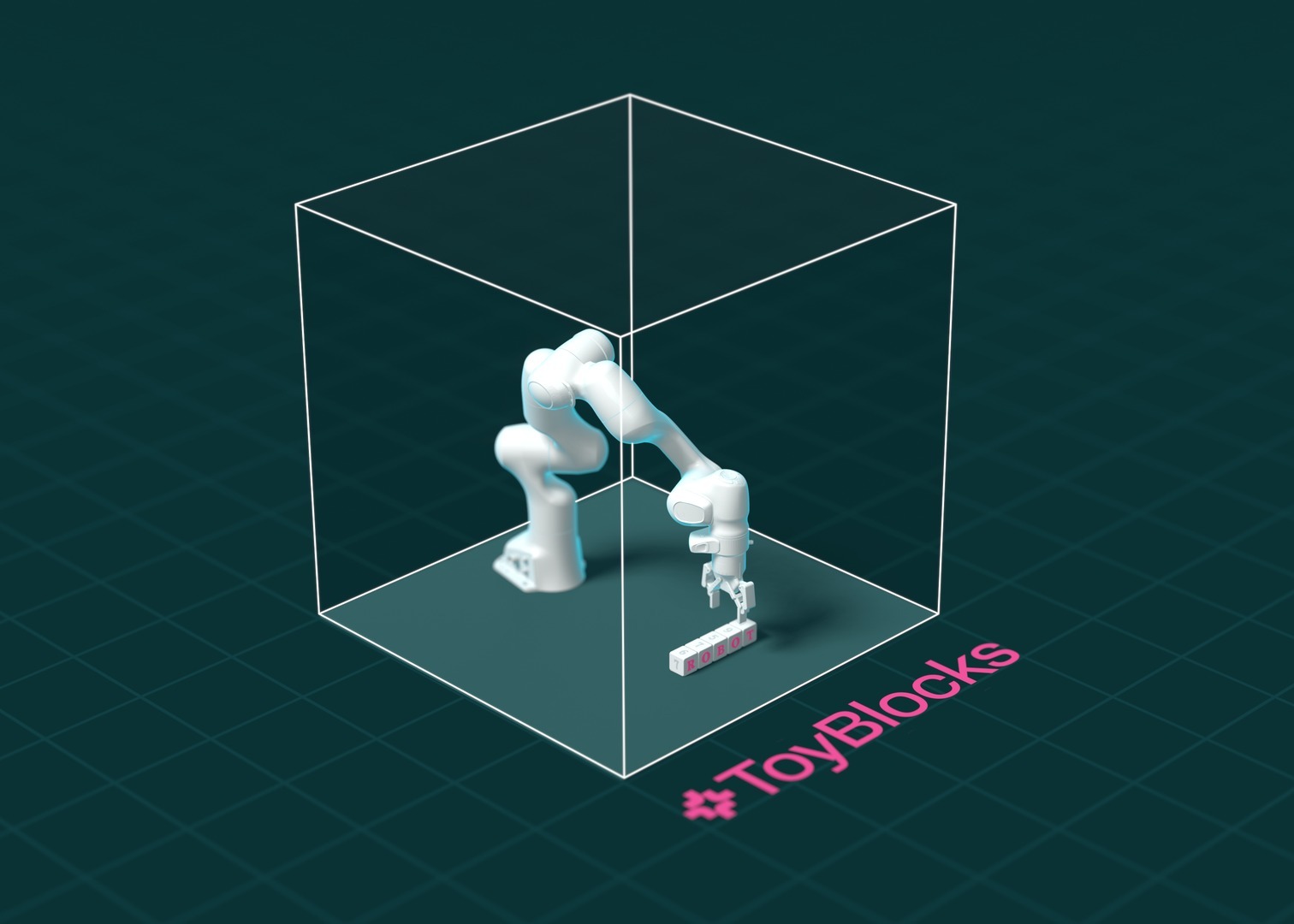
ToyBlocks: A controlled world for robot learning and evaluation
A Blog post by Ai2 on Hugging Face
Related papers
Token-Mol 1.0: tokenized drug design with large language models
Token-Mol is presented, a token-only 3D drug design model that encodes both 2D and 3D structural information, along with molecular properties, into discrete tokens, which introduces a Gaussian cross-entropy loss function tailored for regression tasks, enabling superior performance across multiple downstream application...
mRNABERT: advancing mRNA sequence design with a universal language model and comprehensive dataset
The authors develop mRNABERT, a foundational AI model that designs entire mRNA sequences and demonstrates superior performance across comprehensive benchmarks, which signifies a substantial leap forward in mRNA research and therapeutic development.
Time for AI (Ethics) Maturity Model Is Now
It is argued that AI software is still software and needs to be approached from the software development perspective, and whether the focus should be on AI ethics or the quality of an AI system, called a maturity model for the development of AI systems is discussed.
Unified and explainable molecular representation learning for imperfectly annotated data from the hypergraph view
OmniMol is presented, a framework using hypergraphs to improve predictions of molecular properties, addressing challenges of imperfect data annotation and enhancing model explainability, and achieves state-of-the-art performance in properties prediction.