
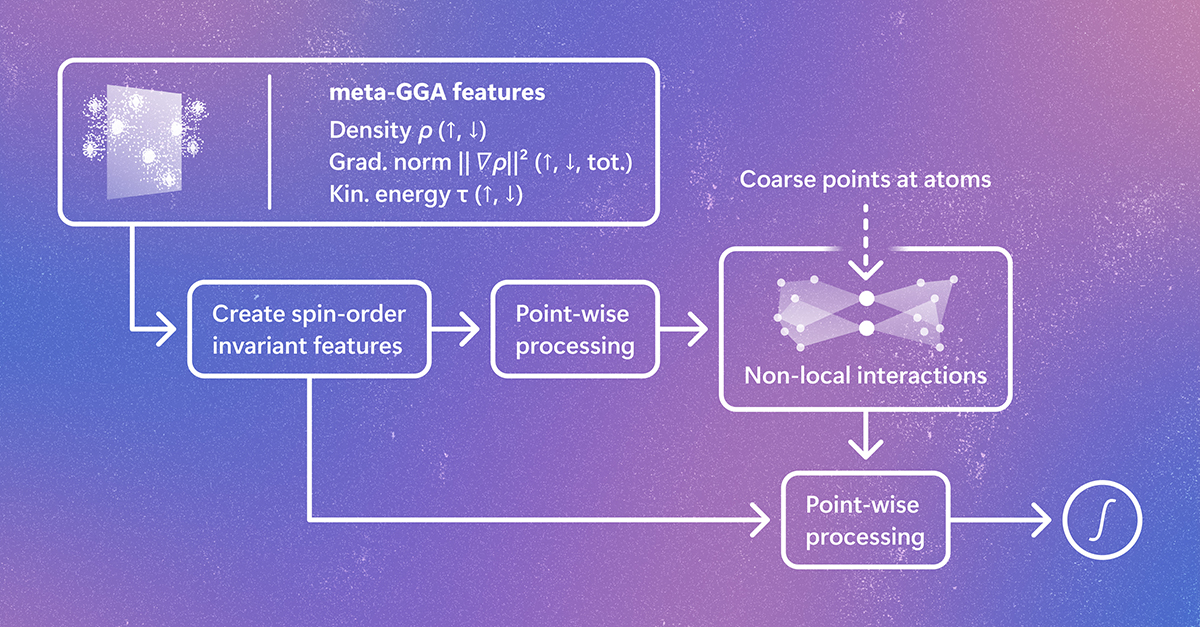
Broadening access to Skala creates a faster path to predictive DFT
Skala 1.1, the updated deep-learning exchange-correlation functional from Microsoft Research, provides greater accuracy, expanded accessibility across the computational chemistry ecosystem, and a living benchmark to track computational performance. The post Broadening access to Skala creates a faster path to predictive DFT appeared first on Microsoft Research.
More from the blog
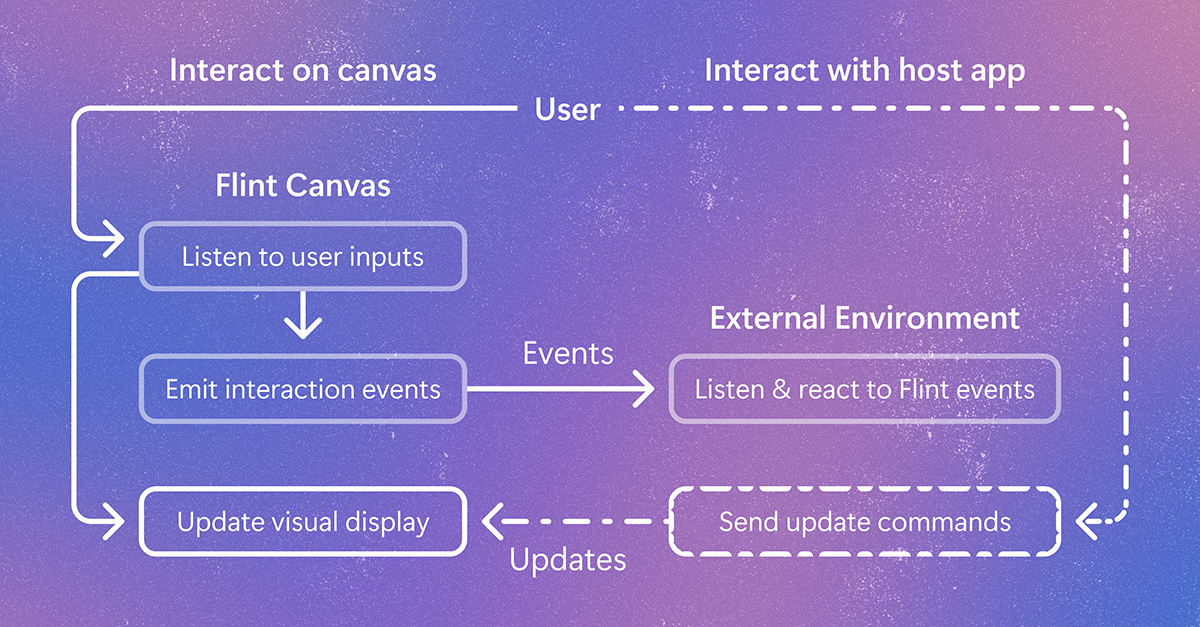
Flint-interactive: A language for creating interactive data visualizations
Flint-interactive gives AI agents a language for creating interactive visualizations. Click a chart, filter data, highlight related content, and explore beyond the view the author originally chose. The post Flint-interactive: A language for creating interactive data visualizations appeared first on Microsoft Research.

Granite Speech 5.0: Transcribe, Translate, and Attribute more Accurately and Faster
A Blog post by IBM Granite on Hugging Face

Gemini 4 Argon: Built to solve your hardest problems
We’re giving developers, enterprises, scientists, and consumers access to Gemini 4 Argon, our latest frontier model.
3 Questions: What is the best path forward for AI in academia?
MIT Statistics and Data Science Center Director Alexander (Sasha) Rakhlin shares important considerations for departments and institutions.
Related papers
Software development in startup companies: A systematic mapping study
The results indicate that software engineering work practices are chosen opportunistically, adapted and configured to provide value under the constrains imposed by the startup context.
Why Early-Stage Software Startups Fail: A Behavioral Framework
This state-of-practice investigation was performed using a literature review followed by a multiple-case study approach and presents how inconsistency between managerial strategies and execution can lead to failure by means of a behavioral framework.
“Failures” to be celebrated: an analysis of major pivots of software startups
This study conducts a case survey study based on the secondary data of the major pivots happened in 49 software startups, and demonstrates that customer need pivot is the most common among all pivot types.
Minimum Viable Product or Multiple Facet Product? The Role of MVP in Software Startups
It is found that roles of MVPs in startups were not fully aware by entrepreneurs, and entrepreneurs should consider a systematic approach to fully explore the value of MVP, as a multiple facet product (MFP).