
Graphcore and Hugging Face Launch New Lineup of IPU-Ready Transformers
More from the blog
Giving AI a “crystal clear” view of the materials world
New research can help AI models understand crystalline materials in 3D and reason about their properties.

Fostering community amid Kendall Square’s innovation
The 18th annual Kendall Square Association Annual Meeting explored how new technologies could be a force for shared prosperity in society.
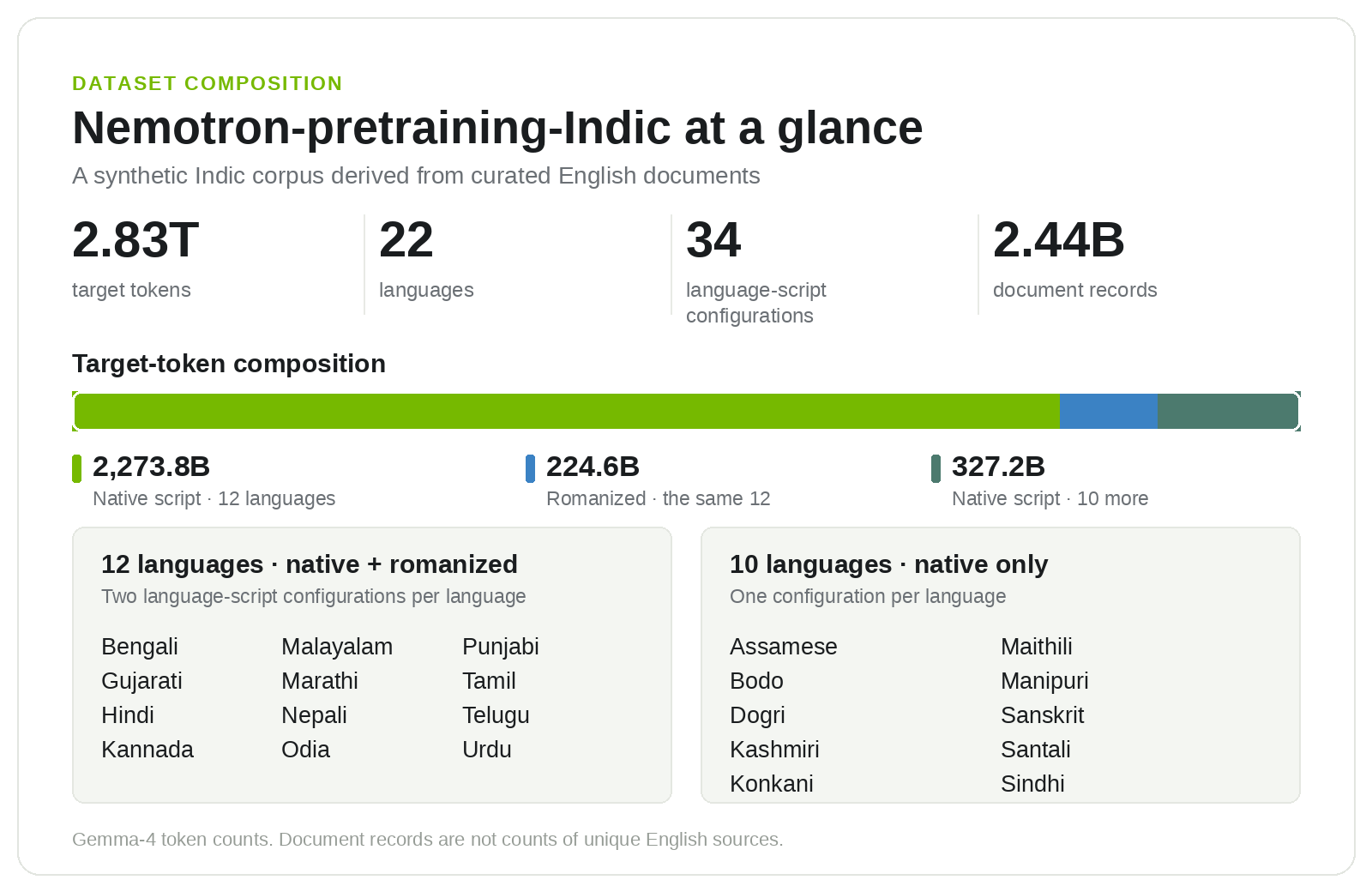
Scaling Indic Pretraining: 2.8 Trillion Tokens and an Open Data Generation Pipeline
A Blog post by NVIDIA on Hugging Face

AI model decodes the language cells use to communicate
A new computational approach reveals how cells communicate to assemble into tissues. This could accelerate stem cell engineering, improve disease models, and inform therapies.
Related papers
Scrum in a Multiproject Environment: An Ethnographically-Inspired Case Study on the Adoption Challenges
Agile methods continue to gain popularity. In particular, the Scrum method appears to be on the verge of becoming a de-facto standard in the industry, leading the so called Agile movement. While there are success stories and recommendations, there is little scientifically valid evidence of the challenges in the adoptio...
Making the leap to a software platform strategy: Issues and challenges
A comprehensive taxonomy of the challenges faced when a medium-scale organization decided to adopt software platforms is provided, namely: business challenges, organizational challenges, technical challenges, and people challenges.
A framework for systematic analysis of open access journals and its application in software engineering and information systems
It is shown that high article processing charges are not sufficiently justified by the publishers, which often lack transparency and may prevent authors from adopting OA.
Integration of molecular coarse-grained model into geometric representation learning framework for protein-protein complex property prediction
MCGLPPI, a novel geometric representation learning framework that combines graph neural networks (GNNs) with the MARTINI molecular coarse-grained (CG) model to predict overall PPI properties accurately and efficiently, offers an effective and efficient solution for PPI overall property predictions.