Artificial intelligence (imaging analysis) fundamentals
Abdul Akbar, Muhammad Khalid Khan Niazi
· Elsevier eBooks · 0 citations
 AI Networking Cookbook: Practical recipes for AI-assisted network automation and development
Category
2,868 papers
A $2.3M AI platform launch resulted in zero adoption after 90 days. David Ohnstad explains the critical mistake: building infrastructure before understanding what problems it actually solves. The real roadmap starts with user demand, not infrastructure. Full article: https://davidohnstad.net/why-enterprise-ai-projects-...
This paper explores a novel approach to developing explainable artificial intelligence (AI) by leveraging probabilistic causal graph learning. The core premise is that truly explainable AI requires the identification and representation of genuine causal relationships within data, translated into a readily interpretable...
Leukemia diagnosis requires the integration of morphology, hematological parameters, immunophenotyping, cytogenetic or molecular findings, and clinical information. Artificial intelligence (AI), particularly machine learning (ML) and deep learning (DL), is increasingly being investigated as an adjunct to these diagnost...
Reach audiences
Advertise in front of researchers, engineers, and readers.
Most teams believe AI requires tearing out legacy infrastructure. David Ohnstad explains why this myth costs companies weeks of debate and delayed shipping. Your existing SaaS foundation can support enterprise AI—here's how. Full article: https://davidohnstad.net/enterprise-ai-platform-replacement-myths/
One clause, three readings, and the sentence a model must never write A policy is approved once and read hundreds of times, and almost everything that goes wrong with it happens on the second occasion rather than the first. An approved policy fails as a reading problem rather than a drafting problem. The clause is lawf...
Learning Management Systems (LMSs) have become a core part of higher education because they bring course content, communication, assessment, learner support, and academic information into a common digital environment. This survey examines LMS development from traditional classroom practices and computer-assisted learni...
Abstract To align with contemporary trends and place greater focus on persistent and novel challenges in the field, JMIR Medical Informatics has updated its focus and scope. Each submitted work will be evaluated against a stronger criterion for translational impact. Additionally, submissions on AI methods and applicati...
Praktisch nutzbare Künstliche Intelligenz entstand aus dem Bündnis kluger Köpfe mit den rechentechnischen Fähigkeiten Boolescher Automaten – natürliche Intelligenz dagegen aus Selbstorganisation und Evolution. Dieser zweite Weg rückt mit dem neuromorphen Rechnen zunehmend wieder in das Blickfeld von Wissenschaft und Pr...
The essence of philosophy lies less in providing answers than in determining what is to count as a question. Some philosophical questions do not arise merely from a lack of knowledge. Pain, death, selfhood, freedom, value, and meaning may emerge as philosophical problems only when a conscious subject encounters reality...
Excess vocabulary, a word's frequency above its pre-2023 trend, is how the change in scholarly English after 2022 has been measured. We adapt it to Korean with morphological units on 398,296 KCI abstracts (2018–August 2026), with 47,165 Vietnamese abstracts for comparison. Placebo floors are 0.1–2.2 points for the sing...
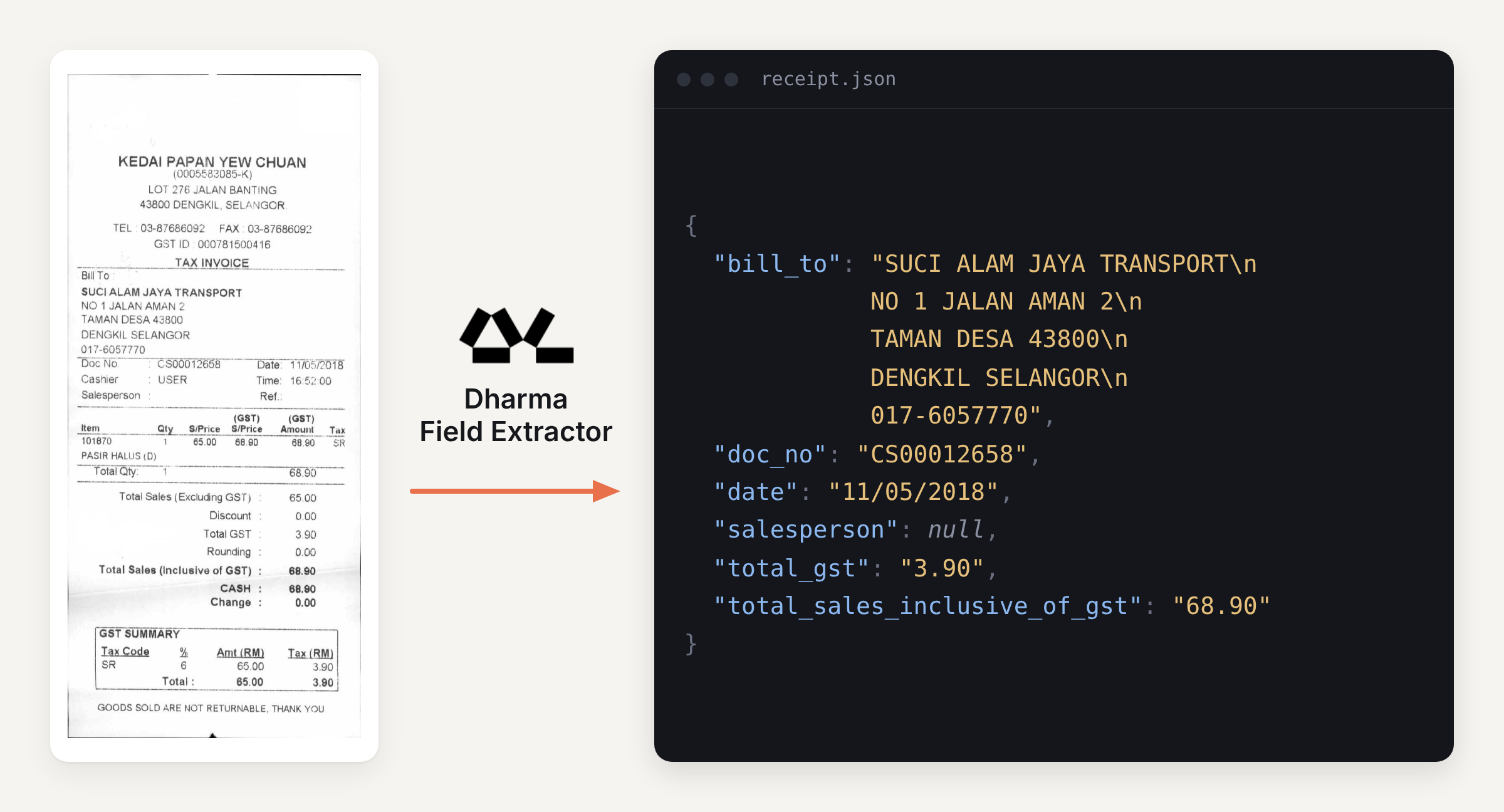
A Blog post by Dharma-AI on Hugging Face
Research Manager Mike Walker reflects on a career spanning hacker culture, cybersecurity, and AI, sharing lessons about trust, teamwork, leadership, and why solving difficult problems requires curiosity, judgment, agility—and an understanding of the rules. The post Learn the rules: The hacker mindset appeared first on Microsoft Research.
 GPT-Lab
· gpt-lab.eu
Nov 3, 2026
Is your company’s AI sovereign? A practical guide for CIOs on AI vendor lock-in, EU Data Act switching, cloud sovereignty, and testing your exit plan before you need it. The post Sovereignty Is the Option to Leave appeared first on GPT-Lab.
The MIT professors collaborated to identify the first AI-discovered antibiotic, a scientific breakthrough that is widely recognized as a milestone in AI-driven drug discovery.
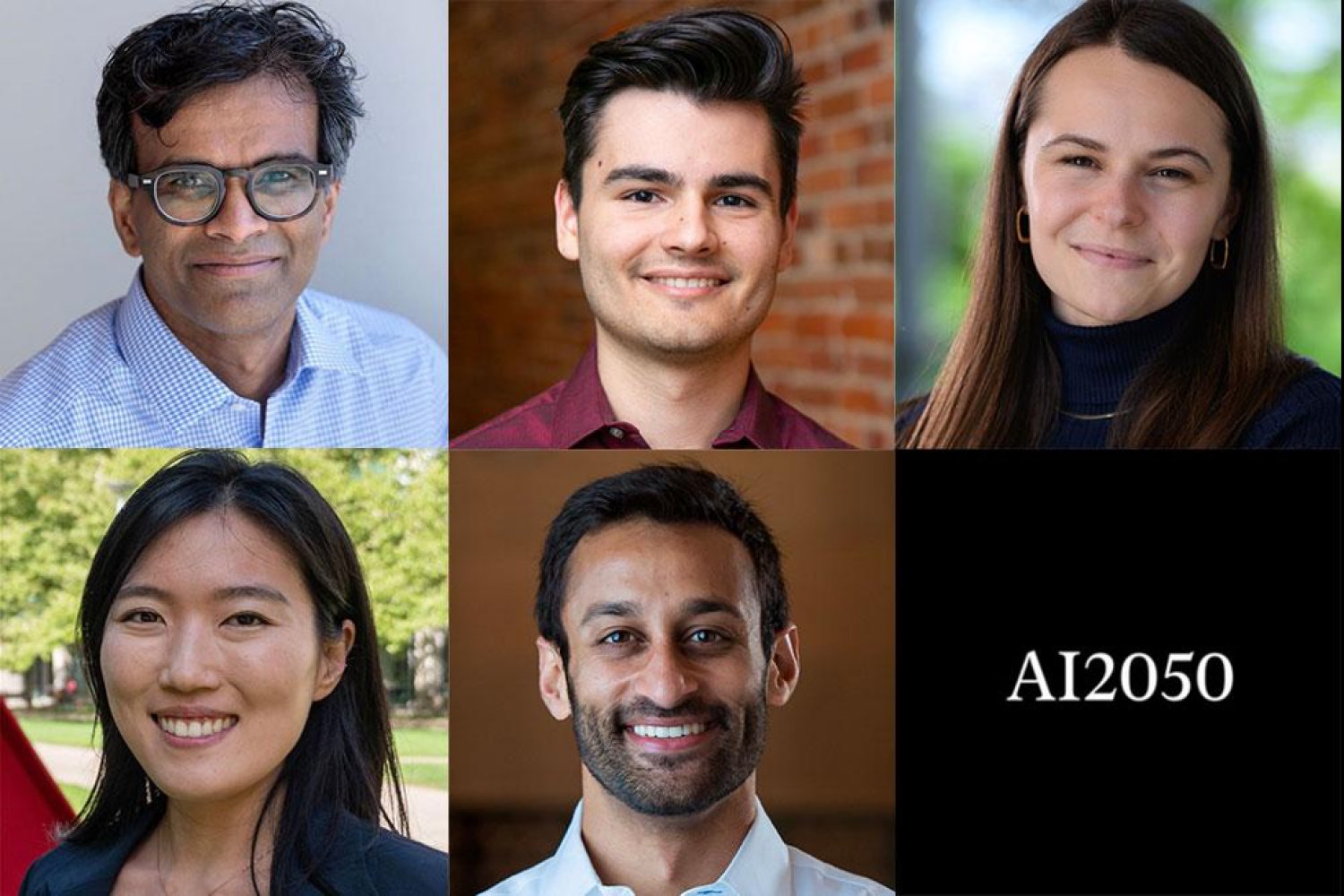
Five MIT faculty members and two additional alumni are honored with fellowships to advance research on beneficial AI.
MIT professors Adam Berinsky and Chara Podimata discuss a new project to track how AI chatbots are responding to questions about the 2026 U.S. midterm elections.
We use cookies to run the site and, with your consent, for analytics and to show ads. See our Cookie Policy.