Skip to content

The Interface Is Downstream: Designing the Terms of Human-Agent Collaboration

Sep 2026 · 0 citations · 9 references
Computer Science

TL;DR

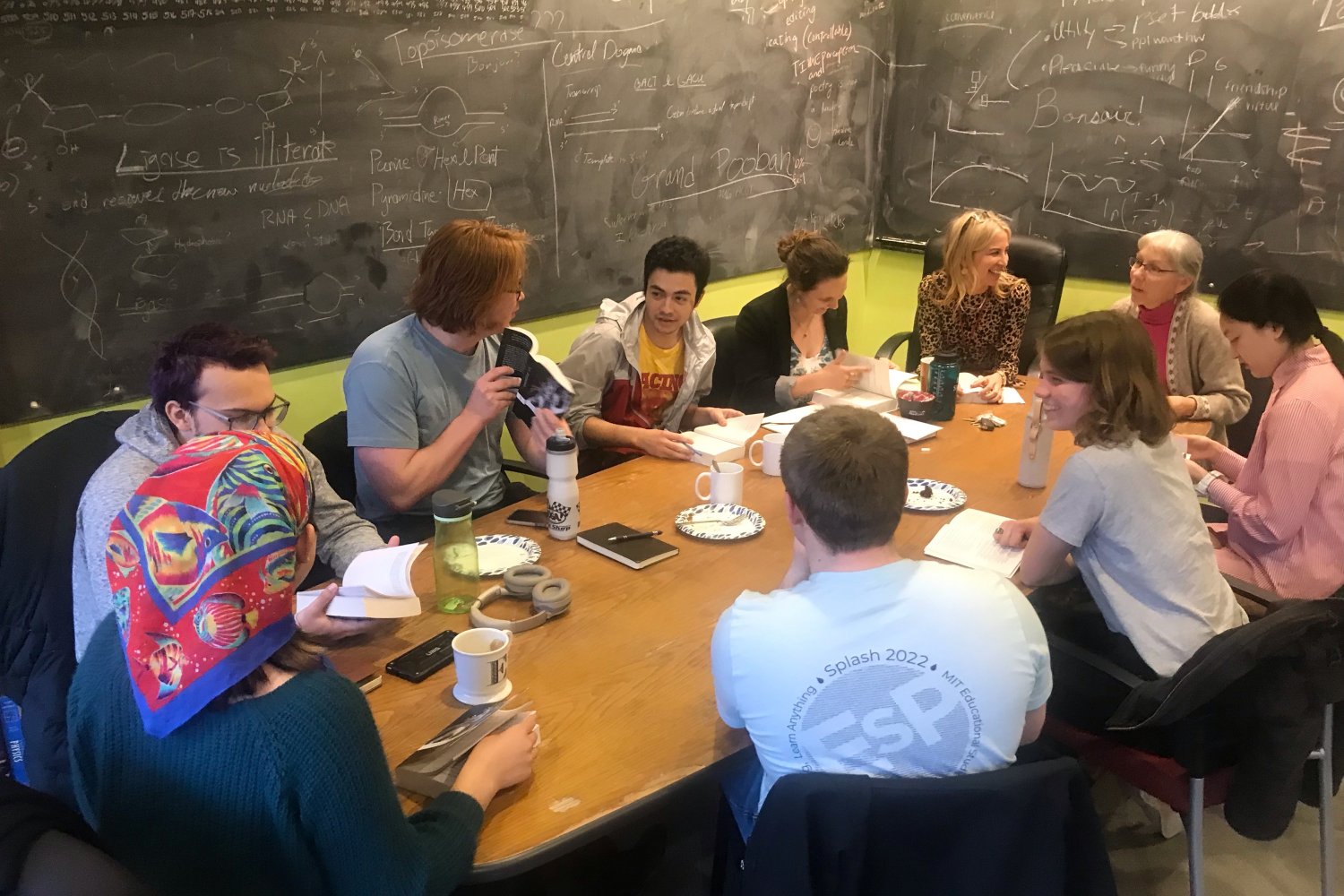
This paper translates the studio, the room where practice happens: a persistent computational setting that translates a human practice into software that is a humorphic environment, and calls the shared setting a humorphic environment.

Abstract

Before an agent responds or acts, much of the experience has already been designed. Memory and retrieval shape what it notices. Evidence rules shape what it may claim. Permissions shape what it can do. Learning rules shape what it carries into the next encounter. The argument comes from Alicia, a personal agent I've built and used since January 2026. A fine-tuning pilot produced no defensible model-performance result. It exposed a provenance failure: Alicia repeated an interpretation from a retrieved synthesis, cited a source note credited by that synthesis, and left the synthesis out of the visible chain. In a model-blind review of thirty-three citations, one reviewer judged that the retrieved intermediary supplied the claim in sixteen relayed citations and part of it in four. Five of twelve citations to directly retrieved targets lacked support in the target excerpt supplied for review. These judgments remain unadjudicated, and the packet is not public. I call the shared setting a humorphic environment: a persistent computational setting that translates a human practice into software. The first Humorphism paper translated partnership. This paper translates the studio, the room where practice happens. The failure prompted an audit of attention, evidence, action, and learning, with a review artifact and available recourse for each. The test is whether the person can inspect and contest what shaped the teammate's behavior. The output is downstream. Correction, consent, and learning carry the collaborative interface back upstream.

View source

Similar papers

#computer vision Review Sep 2017

Agile Software Development Methods: Review and Analysis

This publication proposes a definition and a classification of agile software development approaches and analyses ten software development methods that can be characterized as being "agile" against the defined criterion.

P. Abrahamsson, O. Salo, Jussi Ronkainen et al. · 727 citations · ⚡54
#computer vision Jun 2008

The impact of agile practices on communication in software development

The study shows that agile practices improve both informal and formal communication, but indicates that, in larger development situations involving multiple external stakeholders, a mismatch of adequate communication mechanisms can sometimes even hinder the communication.

M. Pikkarainen, Jukka Haikara, O. Salo et al. · 401 citations · ⚡48
#machine learning Review Open access Oct 2014

Software development in startup companies: A systematic mapping study

The results indicate that software engineering work practices are chosen opportunistically, adapted and configured to provide value under the constrains imposed by the startup context.

Nicolò Paternoster, Carmine Giardino, M. Unterkalmsteiner et al. · 394 citations · ⚡54

Related blog posts

MIT News · Artificial Intelligence Oct 23, 2026

Q&A: How AI came to model the “messy” human mind

Assistant Professor Benjamin Lindquist studies how engineers deliberately injected randomness into early AI, giving rise to deep-learning models that sometimes hallucinate.

MIT News · Artificial Intelligence Oct 7, 2026

Discovering the value of humanistic inquiry

Students in MIT’s Concourse program delve deeply into the human condition, debate challenging questions, and learn to develop judgment about issues that can’t be quantified.

We use cookies to run the site and, with your consent, for analytics and to show ads. See our Cookie Policy.