An AI-based approach called ChatNDE Figure to Caption is introduced, which aims to automate the interpretation of NDE images using deep learning and natural language processing (NLP). A Vision-and-Language Pretraining (VLP) strategy is developed to help the model learn how to connect visual features with meaningful language. Basically, we built a large NDE image dataset, trained the model using annotated examples, and then evaluated how well it performed using BLEU scores to compare its output to expert written descriptions. So, the system combines a ResNet50 model to extract important features from the images and a GPT2 language model to turn those features into natural sounding text. Even though the accuracy of the model has been low the generated caption results have been solid so far, the captions were shorter but mentioned some important features of images what human experts would say, which shows the model is learning to pick up on key details. Also, a Visual Question Answering (VQA) model is used as part of the system. VQA models are designed to take an image and a question about that image (like Is there a crack? or Where is the defect located?) and generate a useful answer. By adding this layer, the platform will not just describe what it sees, it can also respond to specific questions, making it even more interactive and helpful for inspectors in the field. This whole approach is a big step toward speeding up NDE workflows, reducing human error, and making the technology more accessible.
By reducing the difficulty of discriminability, the ablation studies elucidate that vision encoders cannot distinguish visual details well, given generally similar but partially different images.
Masayasu Muraoka, N. Okazaki· International Conference on...· 0 citations
UC-VLM is a unified multi-stage binary-supervised framework that consistently reuses the same authenticity labels for visual adaptation and label-conditioned text generation, while leveraging automatically optimized instructions to reduce prompt sensitivity without requiring human-written rationales or hand-crafted pro...
Lei Tan, Shuwei Li, Mohan S. Kankanhalli et al.· 0 citations
Few-shot classification (FSC) aims to emulate the human ability to rapidly learn new concepts from a handful of examples. Large Vision-Language Models (LVLMs), with their rich prior knowledge and powerful visio-linguistic understanding capabilities, are emerging as a highly promising paradigm for FSC. This paper invest...
Chuan-Yi Zhang, Fan Liu, Yi Xu et al.· IEEE Transactions on Image P...· 0 citations
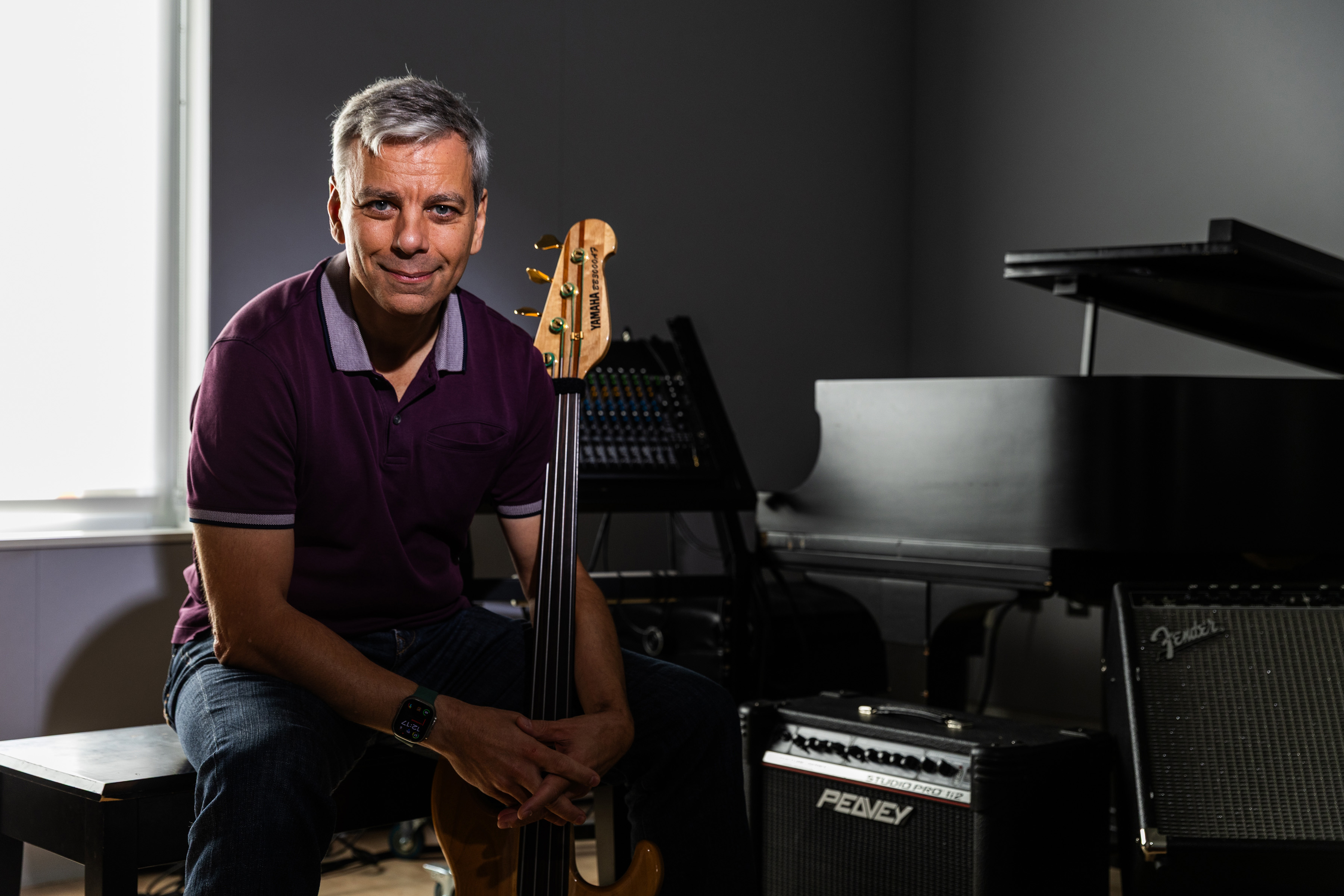
Professor Paris Smaragdis develops computers with superhuman hearing for applications like speech recognition, music understanding, and environmental monitoring.
Exploring how generative AI could make machine vision more accessible to businesses. The post GenEye in a Box: Making Machine Vision Something You Can Just Ask For appeared first on GPT-Lab.
Microsoft Research Blog· microsoft.comAug 11, 2026
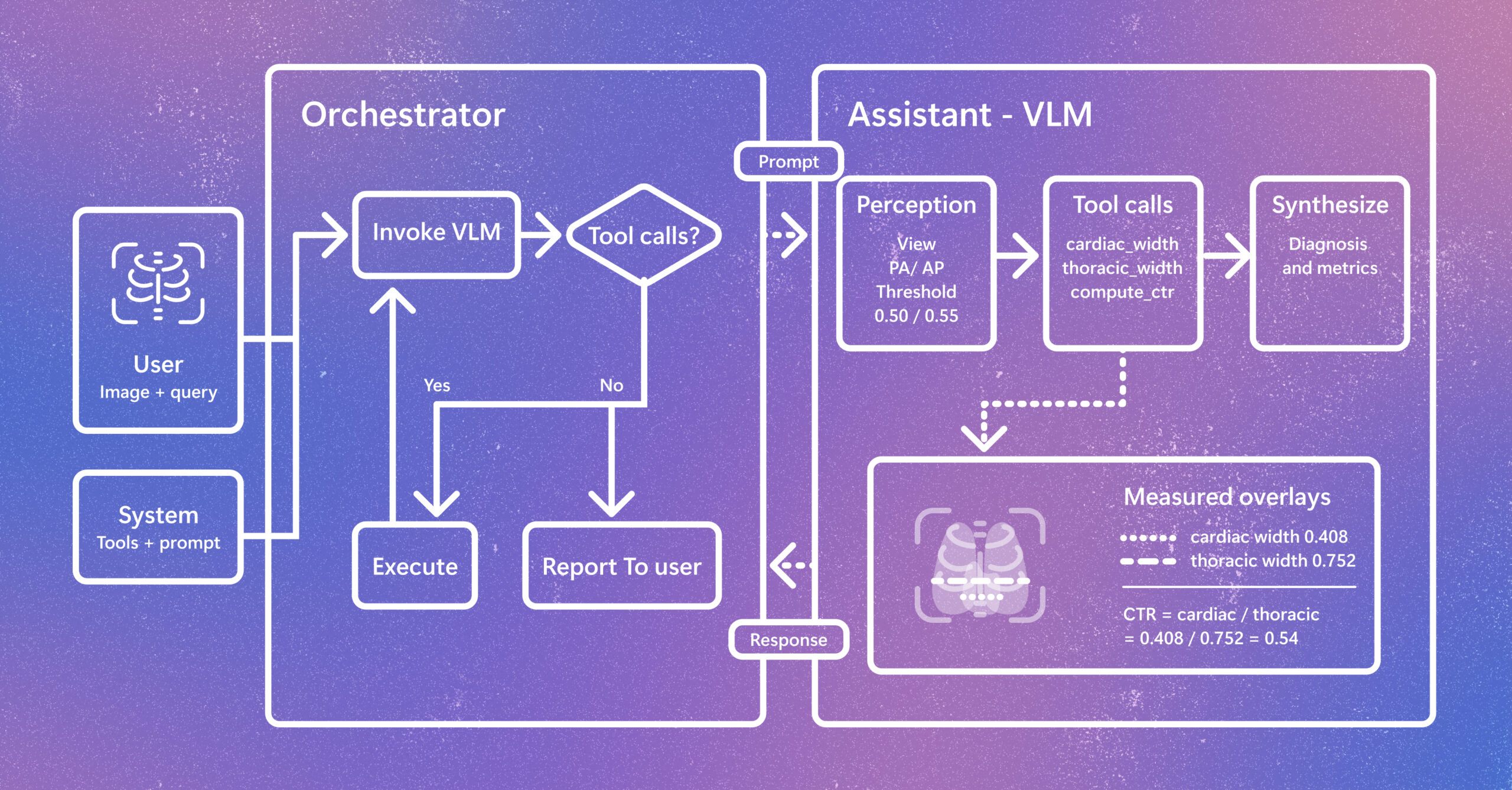
Radiology AI is evolving beyond report generation. CARE-X explores a unified approach that combines flexible reasoning, calibrated predictions, and measurement-based tools for chest X-ray interpretation. The post Introducing CARE-X: Towards Clinically Useful Radiology VLMs with Auxiliary Supervision, Reward-Aligned Learning, and Tool-Augmented Measurement appeared first on Microsoft Research.