Oct 2026· Aslib Journal of Information Management· 56 references
Customer churn and segmentation
Abstract
Purpose Rapid technological innovation has accelerated the diffusion of mobile phones and communication networks, making phone replacement an important consumer behavior in the telecommunications market. However, limited research has examined the determinants of phone replacement decisions using large-scale behavioral data from telecom operators. This study aims to identify the key predictive factors influencing users' phone replacement behavior and develop a predictive framework for telecom operators. Design/methodology/approach Using panel data from approximately 400,000 telecom users, this study develops a prediction framework based on the XGBoost machine learning algorithm. The model incorporates large-scale behavioral data, including users' demographic characteristics, phone attributes and mobile communication behaviors. To enhance model interpretability, SHAP analysis is employed to assess the importance and interaction effects of predictive features. Findings The results show that historical phone replacement behavior is the strongest predictor of future replacement decisions. Brand prominence of the currently owned phone is negatively associated with replacement likelihood, suggesting that users with well-known brands tend to retain their devices longer. In addition, communication demand indicators, such as call duration and SMS usage, positively influence phone replacement probability, with heterogeneous effects across different user groups. Originality/value This study integrates large-scale telecom behavioral data with explainable machine learning techniques to predict consumer phone replacement behavior, providing a transparent analytical framework and practical insights for telecom operators to design personalized marketing strategies.

The results are packaged in the Greenfield Startup Model (GSM), which explains the priority of startups to release the product as quickly as possible, and the need to shorten time-to-market, by speeding up the development through low-precision engineering activities.
Carmine Giardino, Nicolò Paternoster, M. Unterkalmsteiner et al.· IEEE Transactions on Softwar...· 178 citations· ⚡14
Software startup companies develop innovative, software-intensive products within limited timeframes and with few resources, searching for sustainable and scalable business models.
M. Unterkalmsteiner, P. Abrahamsson, Xiaofeng Wang et al.· e-Informatica Software Engin...· 157 citations· ⚡17
This study conducts a case survey study based on the secondary data of the major pivots happened in 49 software startups, and demonstrates that customer need pivot is the most common among all pivot types.
Sohaib Shahid Bajwa, Xiaofeng Wang, Anh Nguyen-Duc et al.· Empirical Software Engineeri...· 127 citations· ⚡15
The comparison of adopter and non-adopter sample reveals three potential adoption inhibitor, security, data privacy, and portability, which underlines the importance of the technical and security perspectives for research investigating the adoption of technology.
Nattakarn Phaphoom, Xiaofeng Wang, S. Samuel et al.· Journal of Systems and Softw...· 111 citations· ⚡8
This study investigates how Lean internal startup facilitates software product innovation in large companies and identifies its enablers and inhibitors, and shows the potential of the method-in-action framework to investigate the Lean startup approach in non-startup context.
Henry Edison, Nina M. Smørsgård, Xiaofeng Wang et al.· Journal of Systems and Softw...· 78 citations· ⚡6
The application of agile software methods and more recently the integration of Lean practices contribute to the trend of continuous improvement in the software industry. One such area warranting proper empirical evidence is a project’s operational efficiency when using the Kanban method. This short paper takes a new an...
Marko Ikonen, Petri Kettunen, Nilay V. Oza et al.· EUROMICRO Conference on Soft...· 67 citations· ⚡9
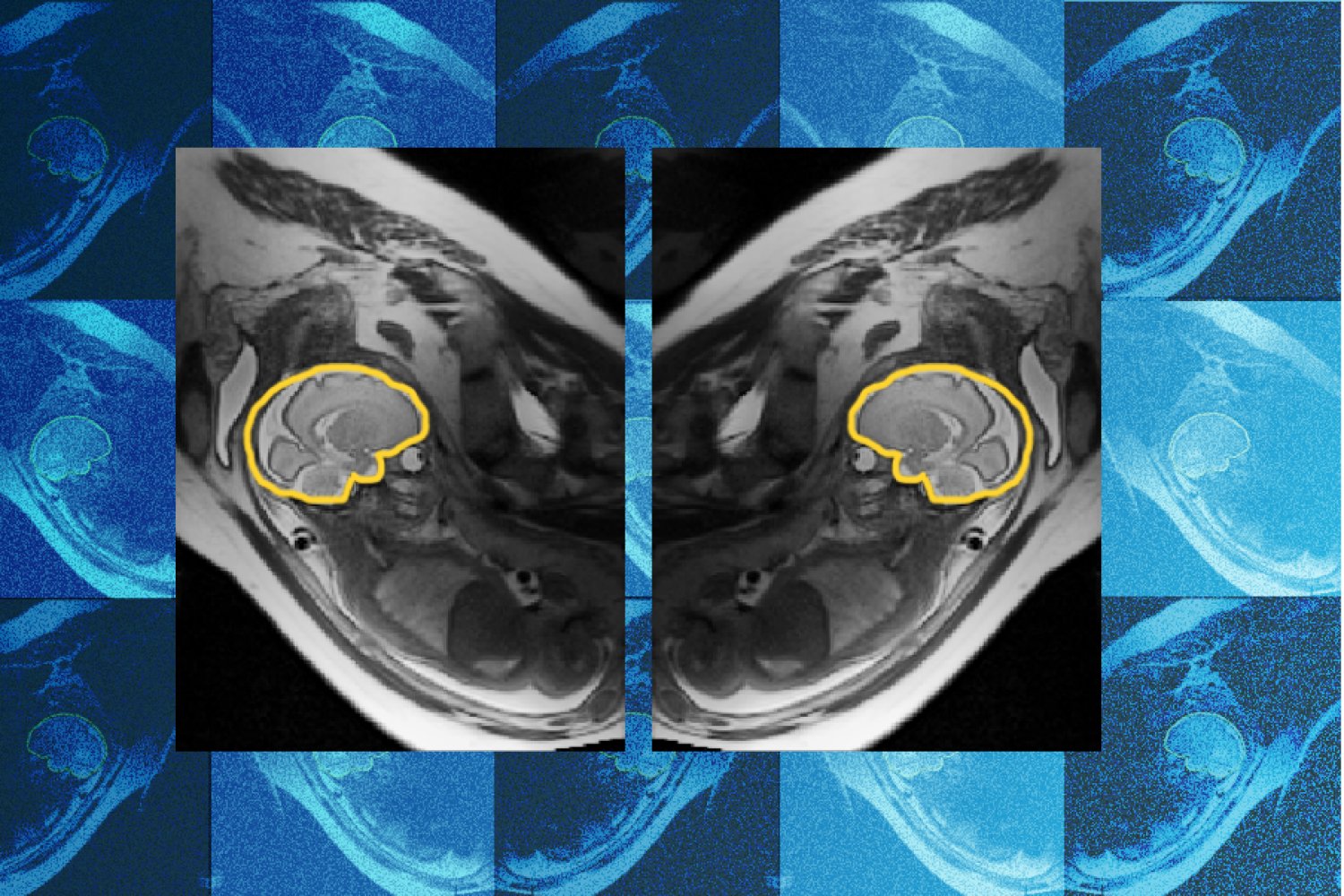
A model developed by researchers at MIT and Boston Children's Hospital adjusts scans on the fly to track fetal movement, potentially sparing families repeat hospital visits.