Biomedical knowledge graphs link targets to mechanisms, diseases and phenotypes, but target-centered representations omit much of what distinguishes therapeutic interventions. We introduce a drug-centric knowledge graph, whose identity model, schema and information-selection priorities are organized around the therapeutic intervention, and a graph built on this design. Each intervention has one identity, linked through relation types shared by all compounds, including target actions, indications, adverse effects, classifications, half-life and direct links to pathways, Gene Ontology concepts, cells and anatomy, and through modality-specific relation types describing small-molecule chemistry, antibody sequences and formats, protein-therapy sequences and antibody-drug conjugate components. Integrating 38 source resources, the graph contains 166,261 nodes of 27 types, 8,106,906 directed edges of 129 relation types and 18,429 compounds in eight therapeutic categories. Construction combines source-specific extraction, compound-identity resolution, language-model-assisted vocabulary and predicate mapping, confidence scoring and connectivity filtering; an expert-reviewed workflow adds investigational therapeutics without altering the base graph. The design offers a reusable template for representing interventions as structured, multimodal objects.

Supporting data, adapters, predictions and code for the article *Low-Cost LoRA Fine-Tuning of Small Language Models for Multi-Step Arithmetic Reasoning* by Jake O'Grady, Asena Isik Gürhan, Chee Fong Ting and Effirul Ramlan (University of Galway). We generated 20,000 GSM8K-derived arithmetic problems with step-by-step s...
O'Grady, Jake, Gürhan, Asena Isik, Chee, Fong Ting et al.· Zenodo (CERN European Organi...· 465 citations
The results are packaged in the Greenfield Startup Model (GSM), which explains the priority of startups to release the product as quickly as possible, and the need to shorten time-to-market, by speeding up the development through low-precision engineering activities.
Carmine Giardino, Nicolò Paternoster, M. Unterkalmsteiner et al.· IEEE Transactions on Softwar...· 178 citations· ⚡14
Software startup companies develop innovative, software-intensive products within limited timeframes and with few resources, searching for sustainable and scalable business models.
M. Unterkalmsteiner, P. Abrahamsson, Xiaofeng Wang et al.· e-Informatica Software Engin...· 157 citations· ⚡17
This study conducts a case survey study based on the secondary data of the major pivots happened in 49 software startups, and demonstrates that customer need pivot is the most common among all pivot types.
Sohaib Shahid Bajwa, Xiaofeng Wang, Anh Nguyen-Duc et al.· Empirical Software Engineeri...· 127 citations· ⚡15
The comparison of adopter and non-adopter sample reveals three potential adoption inhibitor, security, data privacy, and portability, which underlines the importance of the technical and security perspectives for research investigating the adoption of technology.
Nattakarn Phaphoom, Xiaofeng Wang, S. Samuel et al.· Journal of Systems and Softw...· 111 citations· ⚡8
This study investigates how Lean internal startup facilitates software product innovation in large companies and identifies its enablers and inhibitors, and shows the potential of the method-in-action framework to investigate the Lean startup approach in non-startup context.
Henry Edison, Nina M. Smørsgård, Xiaofeng Wang et al.· Journal of Systems and Softw...· 78 citations· ⚡6
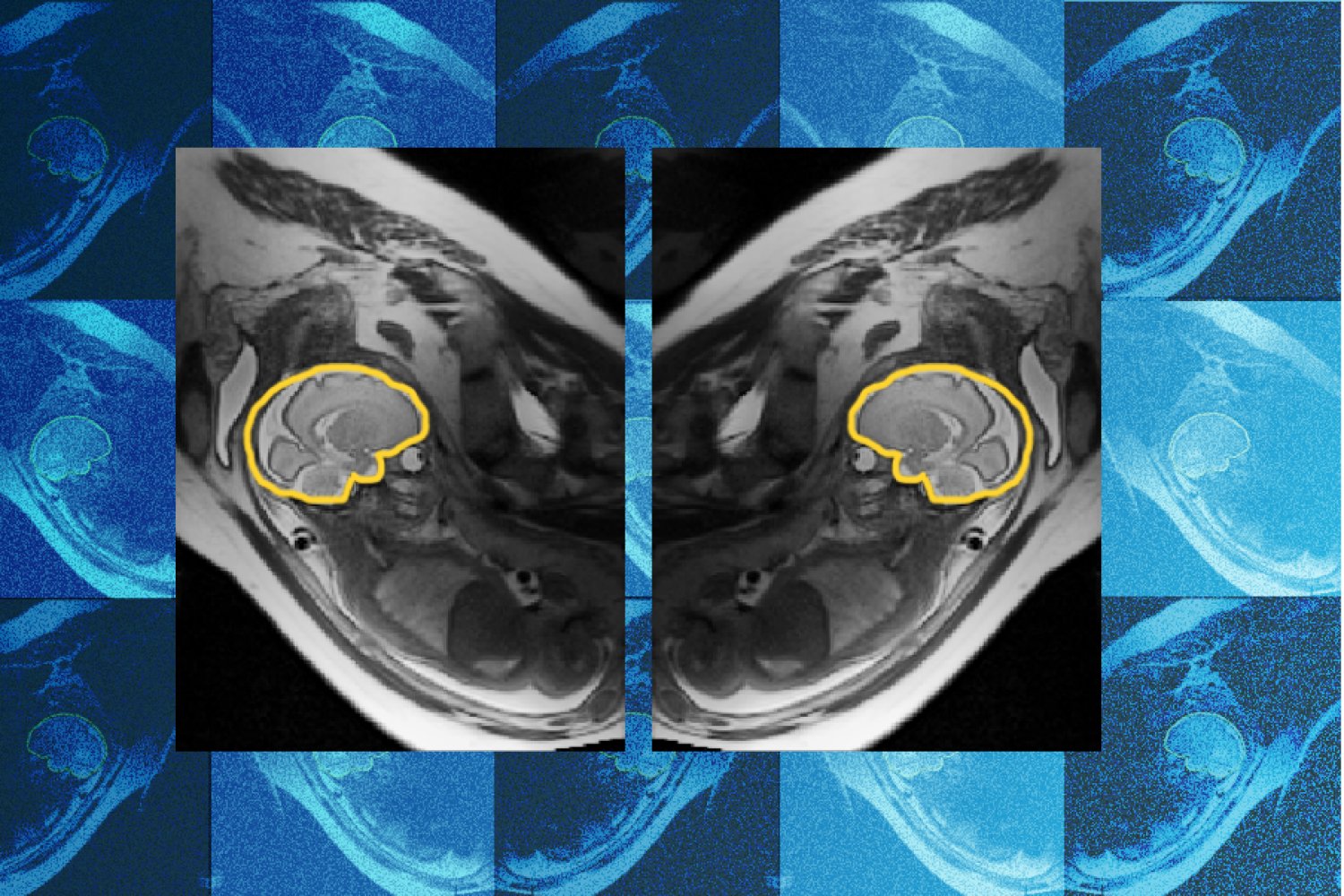
A model developed by researchers at MIT and Boston Children's Hospital adjusts scans on the fly to track fetal movement, potentially sparing families repeat hospital visits.