
Supercomputing researchers document evolution of AI hardware
An ongoing survey tracks the latest AI accelerator systems to keep hardware relevant for Lincoln Laboratory staff and sponsors.
More from the blog
Documenting the tech worker movement
Writing as a participant and researcher, PhD student JS Tan SM ’22 has co-authored a new book about the rise of tech worker protests and the employer backlash that followed.

 GPT-Lab
· gpt-lab.eu
Oct 1, 2026
GPT-Lab
· gpt-lab.eu
Oct 1, 2026
Zotero Tutorialero
Zotero is a powerful open source reference manager that looks complicated at first, but is worth configuring properly once with plugins. This tutorial is aimed especially at researchers and doctoral students who want to use Zotero to manage literature and want a more efficient workflow. The post Zotero Tutorialero appeared first on GPT-Lab.
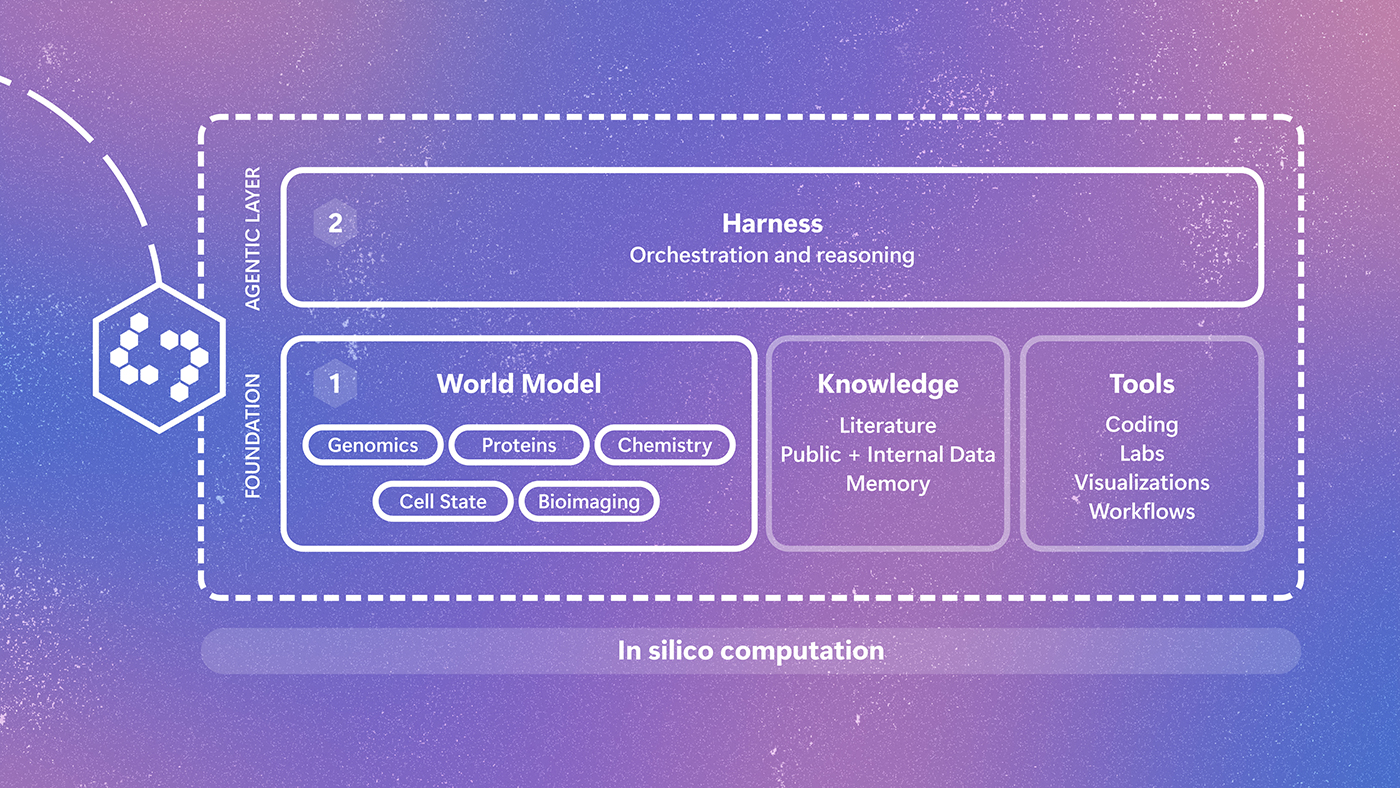
Introducing Quine: An AI research system designed for the complexity of biology
Biology doesn't operate in silos, and neither should the AI representation of it. Quine is an early-stage research effort to create a multimodal world model of biology. By connecting insights across biological scales and modalities, Quine helps scientists computationally search a space far larger than intuition allows and prioritize hypotheses before they reach the lab. Experimental results provide important feedback, helping researchers sharpen future research directions. The post Introducing Q…

The effects of an “algorithmic monoculture” depend on the details
In a study focusing on hiring decisions, MIT researchers found the use of a single algorithm by many firms could benefit job seekers in certain situations.
Related papers
AI-powered Code Review with LLMs: Early Results
The goal is to not only refine the accuracy of the LLM-based tool but also to underscore its potential in streamlining the software development lifecycle through proactive code improvement and education.
LLM-based agents for automating the enhancement of user story quality: An early report
The use of large language models to automatically improve the user story quality in Austrian Post Group IT agile teams is explored, with a reference model for an Autonomous LLM-based Agent System developed and implemented at the company.
Can Large Language Models Serve as Data Analysts? A Multi-Agent Assisted Approach for Qualitative Data Analysis
The proposed LLM-based multi-agent system automates qualitative data analysis process, creating opportunities for researchers and practitioners, and future improvements focus on enhancing multilingual performance and integrating continuous expert feedback.
Large Language Model Evaluation Via Multi AI Agents: Preliminary results
A novel multi-agent AI model is introduced that aims to assess and compare the performance of various LLMs, and initial results indicate that the GPT-3.5 Turbo model's performance is comparatively better than the other models.