Skip to content
#generative ai Book Open access

Don't Waste the Last Token: A Quantizer-Agnostic Quality Boost from Semantic ID Collision Resolution

Sep 2026 · Proceedings of the 20th ACM Conference on Recommender Systems · 0 citations · 16 references

Abstract

Generative recommenders represent each item as a Semantic ID: a short sequence of discrete tokens. Popular quantization algorithms, such as RQ-VAE and residual K-means, can map several items to the same token sequence, producing collisions. Collisions must be resolved before training a single-stage generative recommender, since the model cannot distinguish items that share an identifier. The widely adopted disambiguation technique appends one extra codebook and uses the last token as an arbitrary item counter within each collision group. We argue that this last codebook can be used more effectively as a source of additional content or collaborative signal. Keeping the quantizer, the generative model, and the Semantic ID length unchanged, we replace the ordinal counter with a token that both resolves collisions and carries a useful signal. Across several datasets, the collision resolution choice alone could yield an easy-to-implement, quantizer-agnostic gain in recommendation quality (up to +12.7% in NDCG@10). The code is available at https://github.com/sb-ai-lab/sid-collisions/tree/recsys_2026.

Read PDF

Similar papers

#artificial intelligence Conference Open access Apr 2020

ECCOLA - a Method for Implementing Ethically Aligned AI Systems

The method, ECCOLA, is presented, which aims at making the high-level AI ethics principles more practical, making it possible for developers to more easily implement them in practice.

Ville Vakkuri, Kai-Kristian Kemell, P. Abrahamsson · 64 citations · ⚡6
#computer vision Review Apr 2024

AI-powered Code Review with LLMs: Early Results

The goal is to not only refine the accuracy of the LLM-based tool but also to underscore its potential in streamlining the software development lifecycle through proactive code improvement and education.

Z. Rasheed, Malik Abdul Sami, Muhammad Waseem et al. · 62 citations · ⚡3
#computer vision Open access Mar 2024

LLM-based agents for automating the enhancement of user story quality: An early report

The use of large language models to automatically improve the user story quality in Austrian Post Group IT agile teams is explored, with a reference model for an Autonomous LLM-based Agent System developed and implemented at the company.

Zheying Zhang, M. Rayhan, Tomas Herda et al. · 48 citations · ⚡4
#computer vision Review Mar 2024

System for systematic literature review using multiple AI agents: Concept and an empirical evaluation

This paper introduces a novel multi-AI-agent system designed to fully automate SLRs, and demonstrates how it substantially reduces the time and effort traditionally required for SLRs while maintaining comprehensiveness and precision.

Abdul Malik Sami, Z. Rasheed, Kai-Kristian Kemell et al. · 44 citations · ⚡2
#computer vision Feb 2024

Can Large Language Models Serve as Data Analysts? A Multi-Agent Assisted Approach for Qualitative Data Analysis

The proposed LLM-based multi-agent system automates qualitative data analysis process, creating opportunities for researchers and practitioners, and future improvements focus on enhancing multilingual performance and integrating continuous expert feedback.

Z. Rasheed, Muhammad Waseem, Aakash Ahmad et al. · 41 citations

Related blog posts

Google DeepMind Blog Nov 18, 2026

Genie 4 is now available

We are rolling out a new Project Genie experience to eligible Google AI Ultra subscribers, opening access to our new Genie 4 world model.

MIT News · Artificial Intelligence Nov 17, 2026

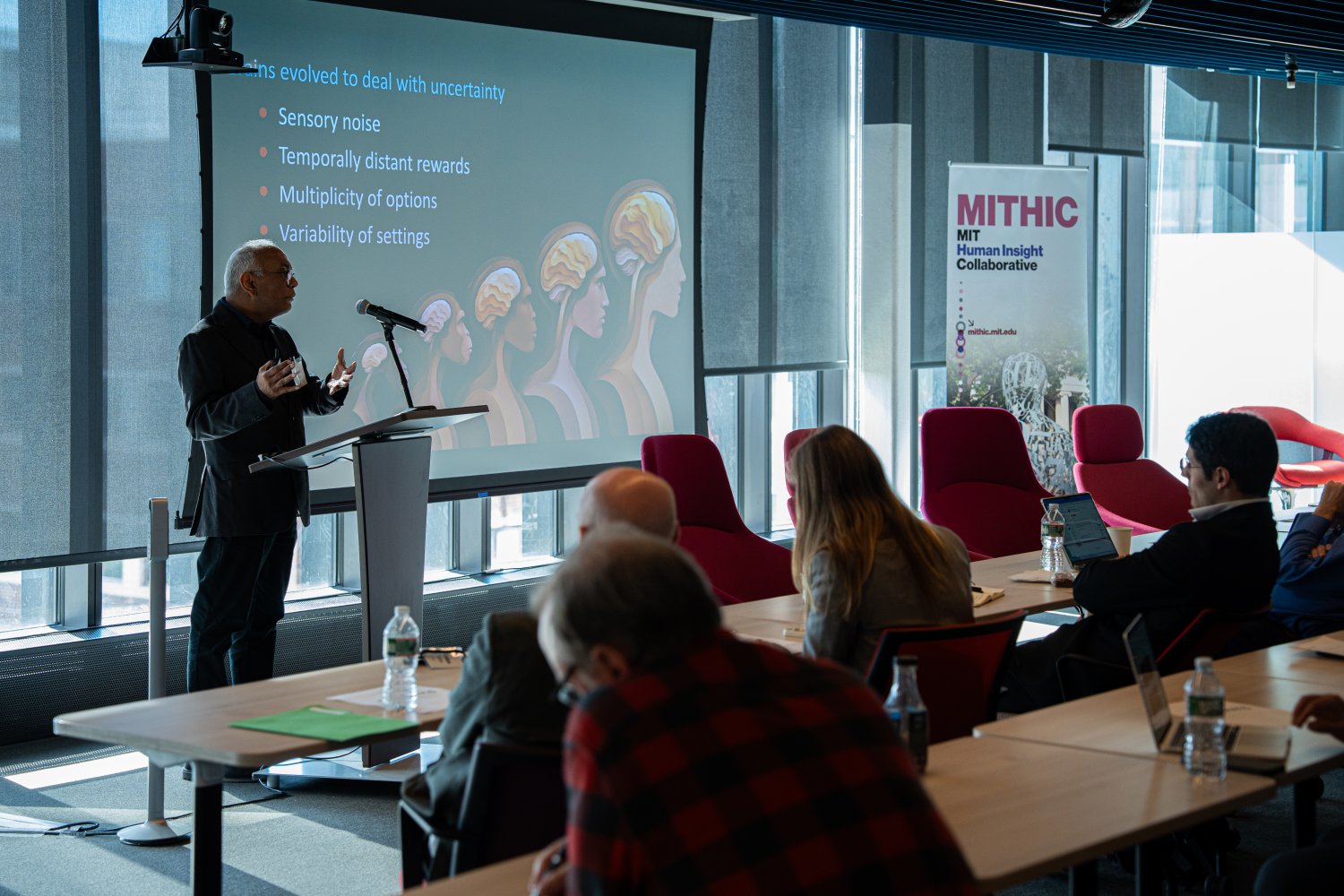
Putting a spotlight on AI, society, and humanity

Supported by the MIT Human Insight Collaborative, scholars are exploring how AI is impacting the human experience and reshaping higher education.

Microsoft Research Blog Nov 17, 2026

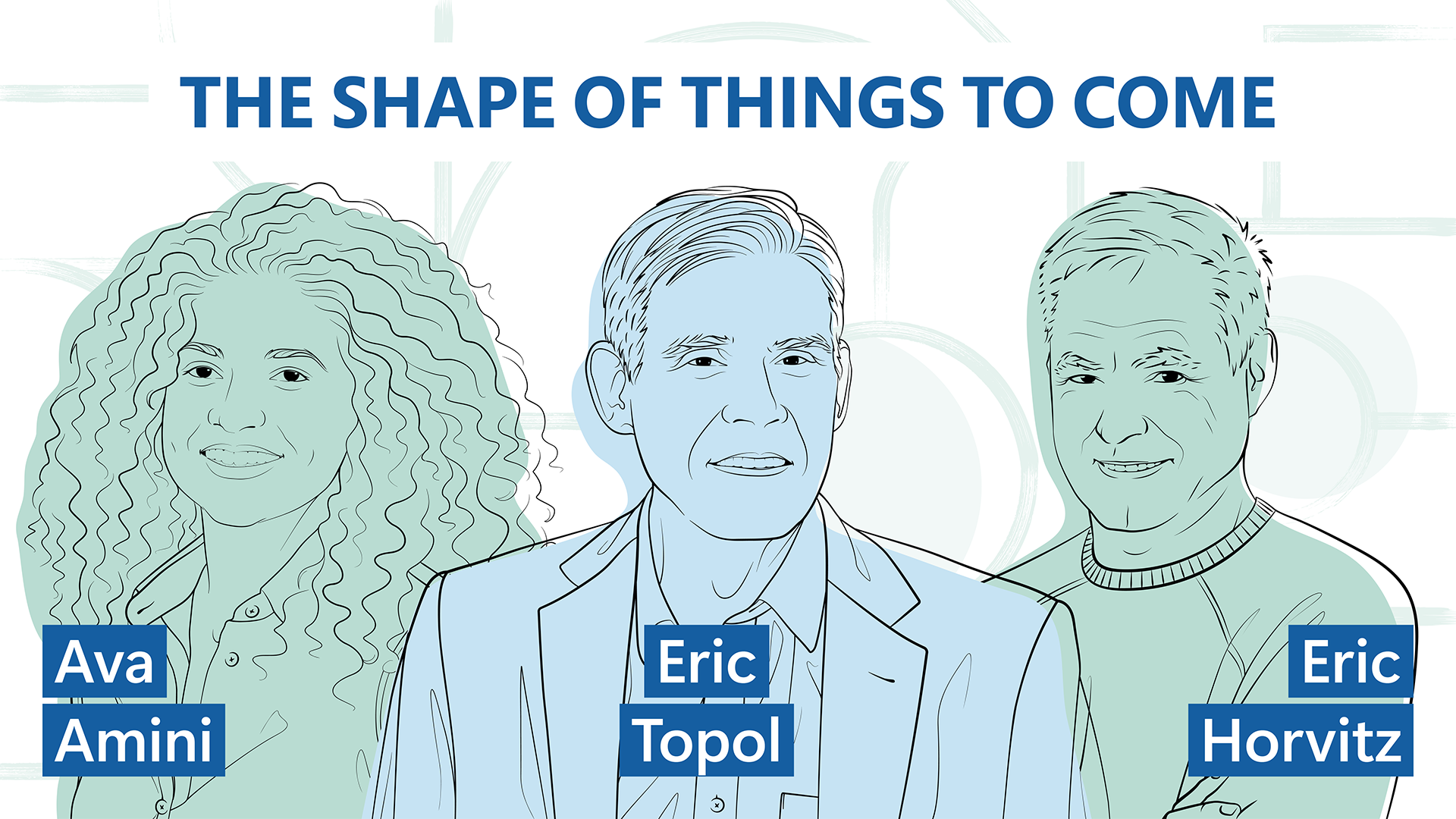
Can AI help build a healthier future?

What can AI enable in medicine, and how do we get there? Microsoft Research lead Doug Burger, Microsoft Principal Research Manager Ava Amini, Microsoft Chief Scientific Officer Eric Horvitz, and physician-scientist Eric Topol of Scripps Research explore these questions and more. The post Can AI help build a healthier future? appeared first on Microsoft Research.

We use cookies to run the site and, with your consent, for analytics and to show ads. See our Cookie Policy.