Skip to content
#federated learning Review Open access

Internet of things-enabled biomedical engineering: current applications, challenges, and emerging directions

Oct 2026 · Bulletin of Electrical Engineering and Informatics · 0 citations

Abstract

The internet of medical things (IoMT) is a structured integrative review of the internet of things (IoT) that focuses on the medical field, specifically on the integration of physiological sensors, medical devices, communication networks, and the clinical information systems to monitor and track patients' health and conditions continuously, and use data to support medical treatment. Through July 2026, a reproducible search and evidence audit of PubMed/MEDLINE, IEEE Xplore, Google Scholar, publisher/digital object identifier (DOI) records, and authoritative regulatory and standards repositories was conducted. The final evidence base consisted of 65 distinct sources that were assessed using a set of explicit eligibility criteria and evidence weighting. Wearable atrial-fibrillation screening, remote monitoring, digital inhalers and continuous glucose monitoring (CGM), and connected hospital infrastructure were shown to be clinically significant in large-scale studies, but such benefits were only seen if there was confirmatory pathway, workflow integration, data quality and persistent engagement. Cybersecurity, privacy, interoperability, validation, workforce capacity, equity, and lifecycle sustainability were all key challenges. The review also brought a synthesis and readiness framework that connects edge artificial intelligence (AI), federated learning, digital twins, advanced connectivity, and circular lifecycle management with measurable validation and governance requirements across the domains.
Read PDF

Similar papers

#machine learning Review Open access Oct 2014

Software development in startup companies: A systematic mapping study

The results indicate that software engineering work practices are chosen opportunistically, adapted and configured to provide value under the constrains imposed by the startup context.

Nicolò Paternoster, Carmine Giardino, M. Unterkalmsteiner et al. · 394 citations · ⚡54
#machine learning Review Open access Jun 2014

Why Early-Stage Software Startups Fail: A Behavioral Framework

This state-of-practice investigation was performed using a literature review followed by a multiple-case study approach and presents how inconsistency between managerial strategies and execution can lead to failure by means of a behavioral framework.

Carmine Giardino, Xiaofeng Wang, P. Abrahamsson · 175 citations · ⚡19
#machine learning Review Open access Oct 2016

“Failures” to be celebrated: an analysis of major pivots of software startups

This study conducts a case survey study based on the secondary data of the major pivots happened in 49 software startups, and demonstrates that customer need pivot is the most common among all pivot types.

Sohaib Shahid Bajwa, Xiaofeng Wang, Anh Nguyen-Duc et al. · 127 citations · ⚡15
#machine learning Review Open access May 2016

Key Challenges in Software Startups Across Life Cycle Stages

It is found that what perceived as biggest challenges by software startups do vary across different life cycle stages, even though its significance decreases when the learning focuses of the startups move from problem to solution and their products mature.

Xiaofeng Wang, Henry Edison, Sohaib Shahid Bajwa et al. · 62 citations · ⚡6

Related blog posts

Microsoft Research Blog Sep 30, 2026

Forecasting space weather risks on power grids

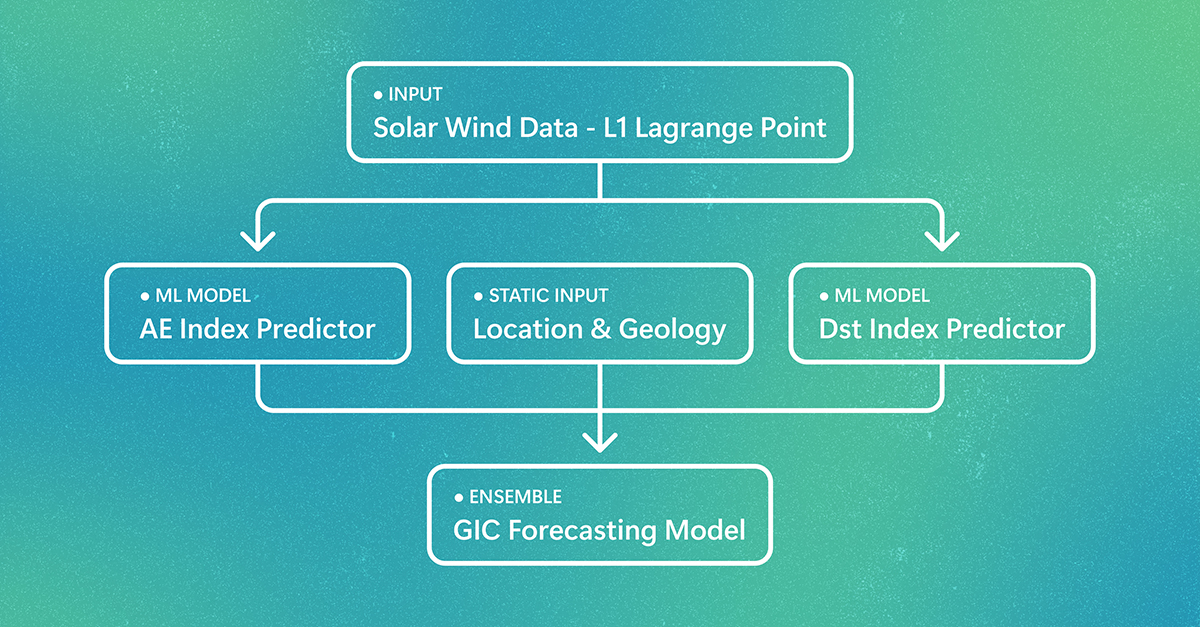
Extreme space-weather events can damage power systems on Earth and degrade GPS accuracy and satellite operations. A new machine learning system can predict where damage is likely to occur 30-60 minutes before a storm arrives. The post Forecasting space weather risks on power grids appeared first on Microsoft Research.

We use cookies to run the site and, with your consent, for analytics and to show ads. See our Cookie Policy.