Skip to content
#protein folding Open access

Assessment of serological markers (interleukin-37, interleukin-40, antinuclear antibody and PA-Ab) and protein tyrosine phosphatase nonreceptor type 22 genetic profiles in children with immune thrombocytopenia: A case–control study

Sep 2026 · Iraqi Journal of Hematology · 0 citations · 24 references

TL;DR

In cases of subjects with ITP, there was a marked reduction in the counts and indices of platelets and expression of the PTPN22 gene, and other indicators, including ANA, IL-37, IL-40, PA-Ab, rs2488457, and rs1395448650 were not significantly linked to ITP.

Abstract

Immune thrombocytopenia (ITP) is an autoimmune disorder characterized by reduced platelet count; this condition ranges from mild symptoms to life-threatening bleeding. The protein tyrosine phosphatase nonreceptor type 22 ( PTPN22) gene codes for an enzyme called phosphatase, which controls cell signals in immune responses, specifically in T-cells. Mutations within this gene could impact the functioning of the immune system and have been considered risk factors in ITP patients. To assess immune biomarkers (interleukin [IL]-37, IL-40, Antinuclear antibody (ANA) and PA-Ab) and PTPN22 expression and polymorphisms in children with ITP. A case–control study was conducted involving 29 pediatric subjects with ITP and 29 healthy controls. PTPN22 expression was quantified by reverse transcription quantitative polymerase chain reaction (PCR) using the 2 −ΔΔCt method, while variants were analyzed by PCR amplification followed by Sanger sequencing. Group comparisons, receiver operating characteristic analysis, genotype and allele frequency assessment, Hardy–Weinberg equilibrium, linkage disequilibrium (LD) analysis, and correlation analysis were performed. Platelet count was significantly lower in ITP subjects than controls (44.31 vs. 286 × 10 3 /μL; P < 0.0001), with reductions in other hematological parameters. No significant differences were found for ANA, IL-37, IL-40, or PA-Ab. PTPN22 expression was significantly decreased in ITP subjects (0.299-fold vs. 1.0-fold; P = 0.0171) and represented moderate diagnostic value (area under the curve = 0.6813; P = 0.0177). Neither rs2488457 nor rs1395448650 was significantly associated with ITP, and LD between them was low. In cases of subjects with ITP, there was a marked reduction in the counts and indices of platelets and expression of the PTPN22 gene. On the other hand, other indicators, including ANA, IL-37, IL-40, PA-Ab, rs2488457, and rs1395448650, were not significantly linked to ITP.


Read PDF

Similar papers

#protein folding Open access Oct 2026

Serum interleukin-38 is paradoxically elevated in rheumatoid arthritis and associated with disease activity and treatment intensity: a cross-sectional study

IL-38 is associated with disease activity, shows no association with HLA-DRB1 expression, and is lower among patients receiving more advanced pharmacological therapy — identifying it as a candidate pharmacodynamic biomarker in RA.

Yasir Chnani, Rafid Abdulkarrem · 0 citations
Open access Oct 2026

EVALUATION OF SERUM IL-6, IL-17, AND TNF- A AS POTENTIAL IMMUNOLOGICAL BIOMARKERS IN PATIENTS WITH VITILIGO

Background: Vitiligo is a chronic immune-mediated depigmenting disorder accompanied by both hyperactive inflammatory and autoimmunity pathways. Objective: To evaluate the serum levels of interleukin-6 (IL-6), interleukin-17 (IL-17), and tumor necrosis factor-A (TNF-A) in vitiligo patients, determine the correlation of...

Saleem Abbas Ajzan · 0 citations
Open access Sep 2026

Immune profiling of anti-SSA–positive at-risk individuals reveals increased type I IFN activity preceding lymphocyte abnormalities in Sjögren’s disease

The data suggest that increased type I IFN activity and IFN-associated signaling in T- and B-cell subsets are already present in anti-SSA–positive at-risk individuals, indicating progression from autoreactivity toward overt autoimmune disease.

J. Ritter, Ana-Luisa Stefanski, A. Aue et al. · 0 citations
Open access Sep 2026

Serum IFN-γ, IL-21 and Circulating iNKT Cells as Immunological Markers in Untreated Hashimoto’s Thyroiditis

Hashimoto’s thyroiditis (HT) is an organ-specific autoimmune disease in which inflammatory cytokines and innate-like lymphocyte subsets may reflect active immune dysregulation. Objective: This article evaluates serum interferon-gamma (IFN-γ), interleukin-21 (IL-21), and circulating invariant natural killer T (iNKT; CD3...

Naseer Sabah Kuhil, I. A. Dheeb · 0 citations
Open access Sep 2026

Diagnostic Value of Serum Interleukin-9 in Patients with Type 2 Diabetes Mellitus: A Case-Control Study from Basrah, Iraq

Background: Type 2 diabetes mellitus (T2DM) is increasingly recognized as a chronic low-grade inflammatory disorder in which immune dysregulation contributes to insulin resistance and disease progression. Interleukin-9 (IL-9), a pleiotropic cytokine of the common γ-chain family, has recently been implicated in metaboli...

Fatima Tariq, I. S. Mahmood, H. Alidrisi · 0 citations

Related blog posts

Google DeepMind Blog Sep 30, 2026

Introducing SynthID Bio

Proof of concept for watermarking AI-generated proteins while preserving biological function.

MIT News · Artificial Intelligence Aug 27, 2026

Looking beyond natural sequences

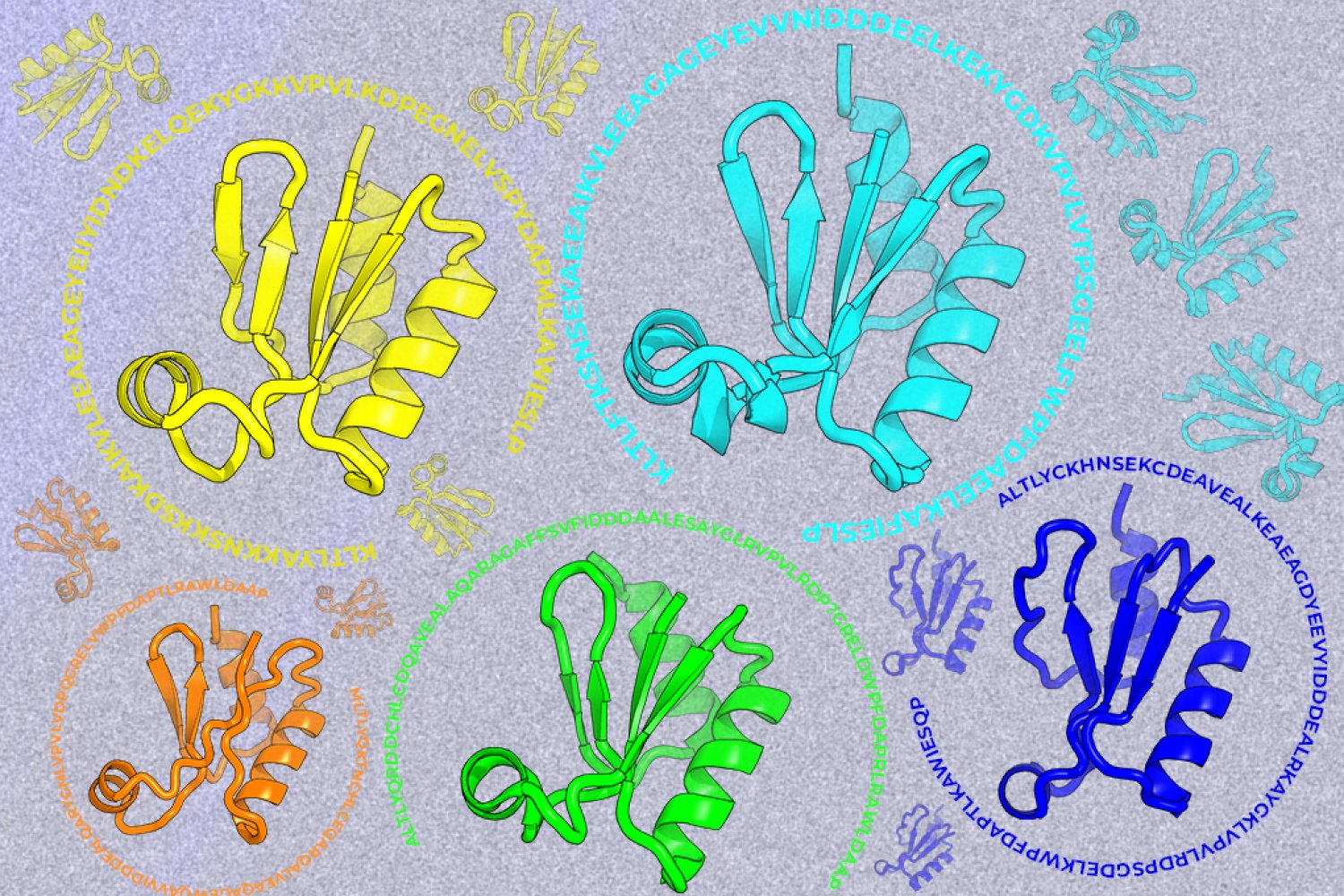
A new machine-learning framework aims to improve the success rate of computational protein design while moving away from results that reproduce sequences found in nature.

We use cookies to run the site and, with your consent, for analytics and to show ads. See our Cookie Policy.