Skip to content
#explainable ai Review Open access

Toward Intelligent Power Transformer Diagnostics: From Multi-Source Condition Monitoring to Digital Twins

Oct 2026 · Energies · 0 citations · 138 references
Power Transformer Diagnostics and Insulation

Abstract

Power transformers are critical assets in modern power systems, and their reliability directly affects grid security, resilience, and continuity of electricity supply. Their condition progressively evolves under interacting electrical, thermal, mechanical, chemical, and environmental stresses, making reliable condition assessment and early detection of degradation essential for effective asset management. Over the past decades, a wide range of diagnostic techniques has been developed, including dissolved gas analysis (DGA), furan and other physicochemical analyses, dielectric response measurements, frequency response analysis (FRA), and partial discharge (PD) monitoring. While these techniques remain indispensable, no individual method provides a complete representation of transformer condition, and their isolated or periodic application offers limited capability for tracking degradation trajectories and supporting prognosis. This review critically examines the evolution of power transformer diagnostics from conventional condition-assessment techniques to Artificial Intelligence (AI), multi-source data integration, hybrid and physics-informed modelling, and Digital Twin technologies. Particular attention is given to the capabilities and limitations of machine-learning and deep-learning approaches, including data representativeness, generalization, interpretability, uncertainty, and field validation. The emerging role of hybrid physics–data models and Digital Twins in integrating measurements, asset history, physical knowledge, and data-driven inference is also examined. Key challenges related to field-data availability, standardization and interoperability, cybersecurity, explainable and trustworthy AI, and dynamic model updating are discussed. Finally, a perspective toward 2040 is presented, highlighting the expected transition from periodic and isolated diagnostics toward integrated monitoring, uncertainty-aware prognosis, and dynamically updated decision-support frameworks for transformer asset and fleet management.


Read PDF

Similar papers

#artificial intelligence Conference Open access Apr 2020

ECCOLA - a Method for Implementing Ethically Aligned AI Systems

The method, ECCOLA, is presented, which aims at making the high-level AI ethics principles more practical, making it possible for developers to more easily implement them in practice.

Ville Vakkuri, Kai-Kristian Kemell, P. Abrahamsson · 64 citations · ⚡6
#computer vision Review Apr 2024

AI-powered Code Review with LLMs: Early Results

The goal is to not only refine the accuracy of the LLM-based tool but also to underscore its potential in streamlining the software development lifecycle through proactive code improvement and education.

Z. Rasheed, Malik Abdul Sami, Muhammad Waseem et al. · 62 citations · ⚡3
#computer vision Open access Mar 2024

LLM-based agents for automating the enhancement of user story quality: An early report

The use of large language models to automatically improve the user story quality in Austrian Post Group IT agile teams is explored, with a reference model for an Autonomous LLM-based Agent System developed and implemented at the company.

Zheying Zhang, M. Rayhan, Tomas Herda et al. · 48 citations · ⚡4
#computer vision Review Mar 2024

System for systematic literature review using multiple AI agents: Concept and an empirical evaluation

This paper introduces a novel multi-AI-agent system designed to fully automate SLRs, and demonstrates how it substantially reduces the time and effort traditionally required for SLRs while maintaining comprehensiveness and precision.

Abdul Malik Sami, Z. Rasheed, Kai-Kristian Kemell et al. · 44 citations · ⚡2
#computer vision Feb 2024

Can Large Language Models Serve as Data Analysts? A Multi-Agent Assisted Approach for Qualitative Data Analysis

The proposed LLM-based multi-agent system automates qualitative data analysis process, creating opportunities for researchers and practitioners, and future improvements focus on enhancing multilingual performance and integrating continuous expert feedback.

Z. Rasheed, Muhammad Waseem, Aakash Ahmad et al. · 41 citations
#artificial intelligence Conference Open access Jun 2018

The Key Concepts of Ethics of Artificial Intelligence

It is suggested that the focus on finding keywords is the first step in guiding and providing direction for future research in the AI ethics field.

Ville Vakkuri, P. Abrahamsson · 39 citations · ⚡2

Related blog posts

Google DeepMind Blog Nov 18, 2026

Genie 4 is now available

We are rolling out a new Project Genie experience to eligible Google AI Ultra subscribers, opening access to our new Genie 4 world model.

MIT News · Artificial Intelligence Nov 17, 2026

Putting a spotlight on AI, society, and humanity

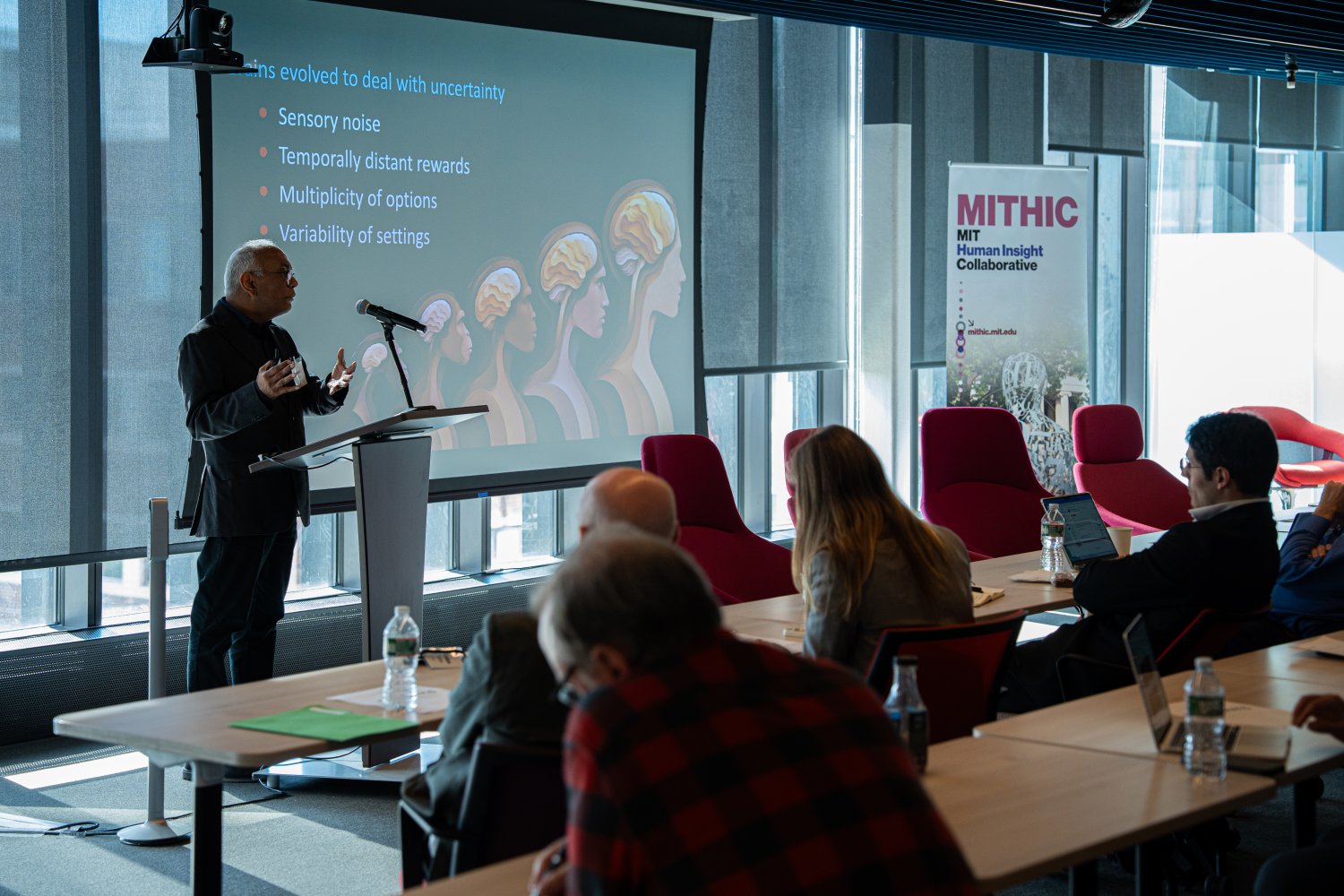
Supported by the MIT Human Insight Collaborative, scholars are exploring how AI is impacting the human experience and reshaping higher education.

Microsoft Research Blog Nov 17, 2026

Can AI help build a healthier future?

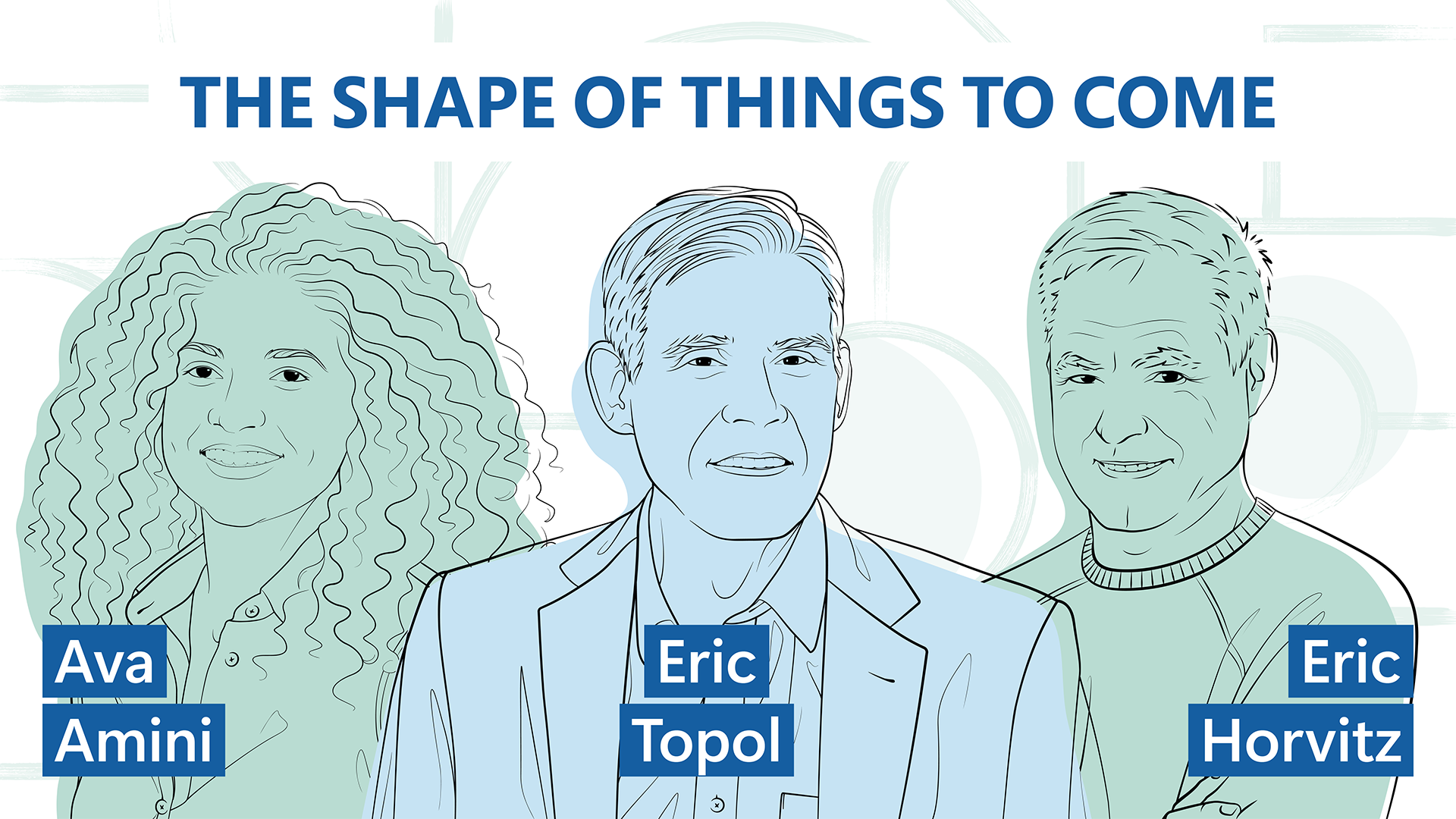
What can AI enable in medicine, and how do we get there? Microsoft Research lead Doug Burger, Microsoft Principal Research Manager Ava Amini, Microsoft Chief Scientific Officer Eric Horvitz, and physician-scientist Eric Topol of Scripps Research explore these questions and more. The post Can AI help build a healthier future? appeared first on Microsoft Research.

We use cookies to run the site and, with your consent, for analytics and to show ads. See our Cookie Policy.