Skip to content

Beyond One User and One Model: Rethinking LLMs as Mediators in Collaborative Sensemaking and Ideation

Aug 2026 · 0 citations · 31 references
Computer Science

Abstract

As LLMs enter qualitative data workflows, they are predominantly designed for individual researchers rather than collaborative teams, which risks disrupting the collective negotiation essential to sensemaking, driving premature consensus, and potentially erasing marginalized voices. In this position paper, we argue that LLMs must be reconceived as active team mediators. Grounded in empirical studies of human-LLM collaborative analysis, we propose three design directions: quote-level traceability to preserve accountability of human and LLM contributions, controllable delegation boundaries to maintain researcher agency across workflow stages, and structured dissent mechanisms to surface interpretive conflicts that teams might otherwise suppress. We ground these directions in accessibility research as a domain where methodological rigor and representational equity are obligatory.

View source

Similar papers

#computer vision Review Sep 2017

Agile Software Development Methods: Review and Analysis

This publication proposes a definition and a classification of agile software development approaches and analyses ten software development methods that can be characterized as being "agile" against the defined criterion.

P. Abrahamsson, O. Salo, Jussi Ronkainen et al. · 727 citations · ⚡54
#computer vision Jun 2008

The impact of agile practices on communication in software development

The study shows that agile practices improve both informal and formal communication, but indicates that, in larger development situations involving multiple external stakeholders, a mismatch of adequate communication mechanisms can sometimes even hinder the communication.

M. Pikkarainen, Jukka Haikara, O. Salo et al. · 401 citations · ⚡48
#machine learning Review Open access Oct 2014

Software development in startup companies: A systematic mapping study

The results indicate that software engineering work practices are chosen opportunistically, adapted and configured to provide value under the constrains imposed by the startup context.

Nicolò Paternoster, Carmine Giardino, M. Unterkalmsteiner et al. · 394 citations · ⚡54

Related blog posts

MIT News · Artificial Intelligence Nov 17, 2026

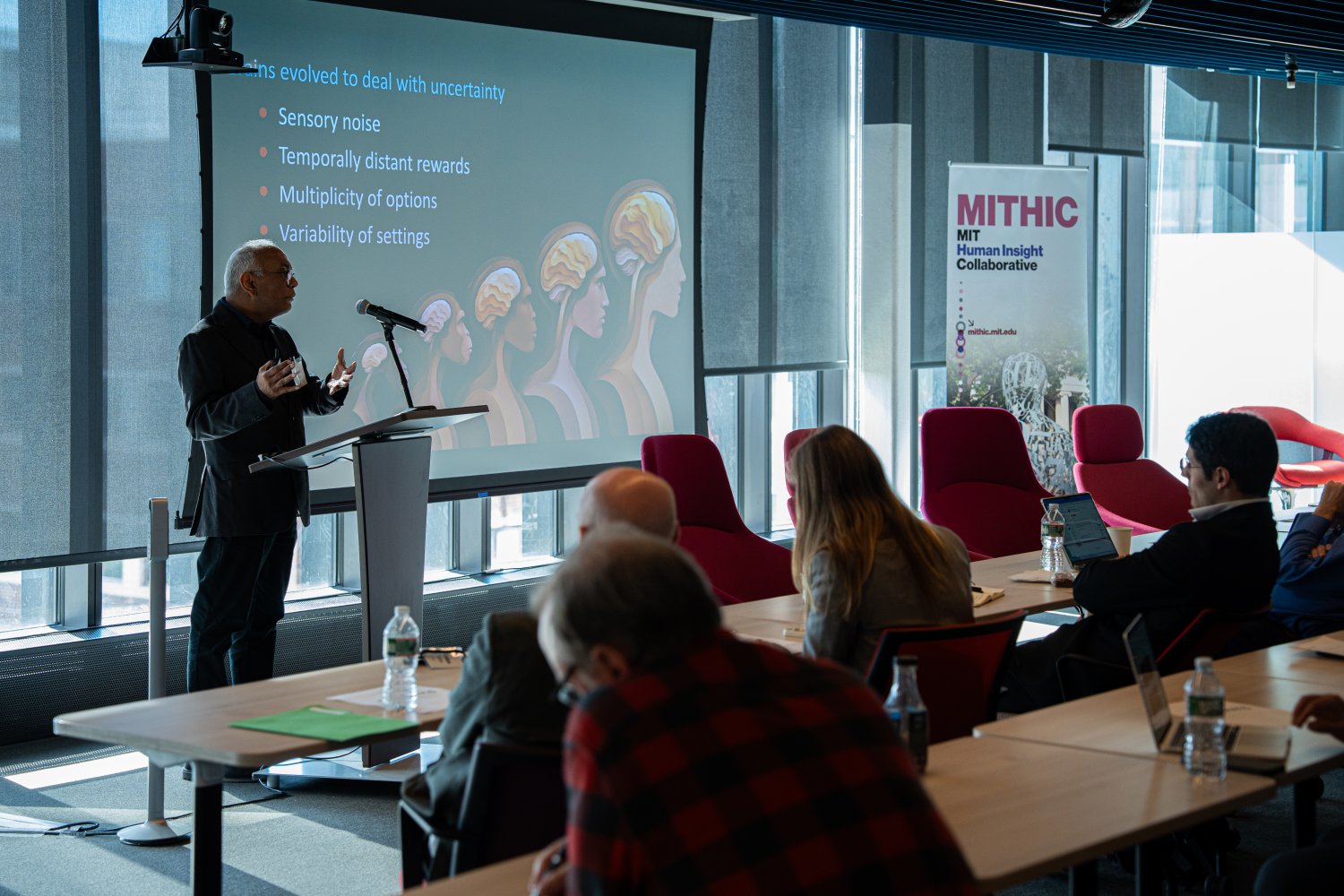
Putting a spotlight on AI, society, and humanity

Supported by the MIT Human Insight Collaborative, scholars are exploring how AI is impacting the human experience and reshaping higher education.

MIT News · Artificial Intelligence Nov 17, 2026

Learning the language of machine learning

By studying the computational foundations of language learning, Associate Professor Jacob Andreas builds intelligent systems that can communicate effectively with humans.

Microsoft Research Blog Nov 16, 2026

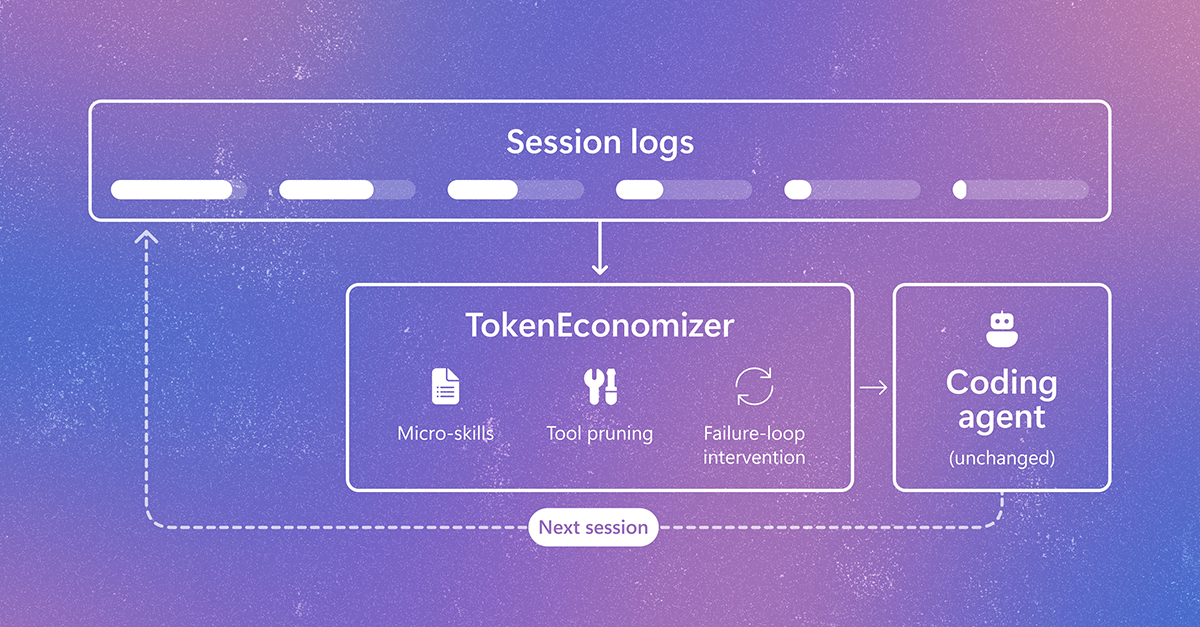
TokenEconomizer: Learning from Experience to Make AI Coding Agents More Efficient

AI coding agents are increasingly help developers fix bugs and build features largely on their own, but every interaction with their models consumes tokens. In each session, an agent sends instructions, tool descriptions, and session history to its model. Most efforts to reduce this cost focus on individual tasks. Yet developers return to the same […] The post TokenEconomizer: Learning from Experience to Make AI Coding Agents More Efficient appeared first on Microsoft Research.

We use cookies to run the site and, with your consent, for analytics and to show ads. See our Cookie Policy.