Sep 2026· Zenodo (CERN European Organization for Nuclear Research)
Abstract
العنوان التقني: منظومة المعالجة الطرفية البصرية والتوليد التفاعلي للأنماط الرسومية اللامركزية 1. النطاق التقني ومجال الاختراع (Technical Field): تتعلق المنظومة الحالية بأنظمة الحوسبة الطرفية المستقلة (Edge Computing Frameworks)، وتحديداً المعماريات المدمجة للذكاء الاصطناعي المحلي المخصص لتوليد، وتحليل، ومحاكاة البيانات البصرية والهندسية ثنائية الأبعاد، دون الاعتماد على شبكات الاتصال السحابية الخارجية، مع آليات تكامل مادية لتحويل المخرجات الرقمية إلى وسائط ملموسة. 2. الخلفية التقنية والهدف الابتكاري (Background & Objective): تعاني المنظومة التقليدية لمعالجة الرسوميات الرقمية من الارتباط الدائم بالبنى التحتية السحابية لتعويض النقص في قواعد البيانات التوليدية، فضلاً عن غياب آليات التدريب التراكمي الموجه محلياً. يهدف الاختراع الحالي إلى تجاوز ذلك عبر دمج وحدة معالجة محلية مدعومة بمكتبات بيانات معرفية شاملة، لتوفير بيئة تفاعلية لا مركزية تقوم بتحليل مدخلات المستخدم الحركية، واستقراء أنماط الأداء عبر محرك استدلالي محلي، وتقديم توجيهات بصرية هندسية متقطعة لتعزيز كفاءة التفاعل البشري الرقمي، مع توفير قناة إخراج مادية متزامنة. 3. التوصيف الهيكلي والوظيفي للوحدات (Architectural Embodiments): وحدة الاستشعار والمعالجة الطرفية (Edge Processing & Input Subsystem): تتألف من منصة عرض تفاعلية مدعومة ببطارية داخلية قابلة لإعادة الشحن، مرتبطة بأداة إدخال دقيقة (Digital Stylus) مزودة بمصفوفة استشعار مزدوجة لقياس المتغيرات الفيزيائية (الضغط الديناميكي وزاوية الميل الحركي)، مما يضمن محاكاة دقيقة للاحتكاك السطحي والملمس الرقمي. الذاكرة المحلية ونماذج التعلم الذاتي (Local Neural Engine & Database): تحتوي على مستودع بيانات ضخم ومحلي بالكامل مخزن مسبقاً يضم الأنماط البصرية وقواعد المعرفة الفنية والهندسية. تعتمد الوحدة على خوارزميات التعلم التراكمي (Cumulative Edge Learning) لتطوير خيارات النظام بناءً على الأنماط السلوكية للمستخدم وسجل محاولاته السابقة محلياً. محرك الإرشاد التفاعلي والمعرفي (Cognitive Guidance Engine): نظام برمجي استدلالي مبرمج لتفسير الاستعلامات النصية أو الصوتية المتنوعة، وتوليد مسارات هندسية وبصرية إرشادية (خطوط إرشادية مفرقة ديناميكية) على الشاشة، تتيح للمستخدم تتبعها وإتمامها، يليه نظام مقارنة وتحليل آلي للمخرجات لتقديم تقييم فوري وتصحيح ذاتي. وحدة الإخراج والمزامنة المادية (Hardware-to-Print Synchronization Unit): وحدة ربط مباشر متكاملة مع طابعة دقيقة، تترجم البيانات اللونية والرقمية المعالجة على الشاشة إلى مخرجات ورقية ملموسة مطابقة للأصل الرقمي بدقة متناهية.
Agile - denoting "the quality of being agile, readiness for motion, nimbleness, activity, dexterity in motion" - software development methods are attempting to offer an answer to the eager business community asking for lighter weight along with faster and nimbler software development processes. This is especially the case with the rapidly growing and volatile Internet software industry as well as for the emerging mobile application environment. The new agile methods have evoked substantial amount of literature and debates. However, academic research on the subject is still scarce, as most of existing publications are written by practitioners or consultants. The aim of this publication is to begin filling this gap by systematically reviewing the existing literature on agile software development methodologies. This publication has three purposes. First, it proposes a definition and a classification of agile software development approaches. Second, it analyses ten software development methods that can be characterized as being "agile" against the defined criterion. Third, it compares these methods and highlights their similarities and differences. Based on this analysis, future research needs are identified and discussed.
P. Abrahamsson, O. Salo, Jussi Ronkainen et al.· arXiv.org· 728 citations· ⚡54
Context: Software startups are newly created companies with no operating history and fast in producing cutting-edge technologies. These companies develop software under highly uncertain conditions, tackling fast-growing markets under severe lack of resources. Therefore, software startups present a unique combination of characteristics which pose several challenges to software development activities. Objective: This study aims to structure and analyze the literature on software development in startup companies, determining thereby the potential for technology transfer and identifying software development work practices reported by practitioners and researchers. Method: We conducted a systematic mapping study, developing a classification schema, ranking the selected primary studies according their rigor and relevance, and analyzing reported software development work practices in startups. Results: A total of 43 primary studies were identified and mapped, synthesizing the available evidence on software development in startups. Only 16 studies are entirely dedicated to software development in startups, of which 10 result in a weak contribution (advice and implications (6); lesson learned (3); tool (1)). Nineteen studies focus on managerial and organizational factors. Moreover, only 9 studies exhibit high scientific rigor and relevance. From the reviewed primary studies, 213 software engineering work practices were extracted, categorized and analyzed. Conclusion: This mapping study provides the first systematic exploration of the state-of-art on software startup research. The existing body of knowledge is limited to a few high quality studies. Furthermore, the results indicate that software engineering work practices are chosen opportunistically, adapted and configured to provide value under the constrains imposed by the startup context.
Nicolò Paternoster, Carmine Giardino, M. Unterkalmsteiner et al.· Information and Software Tec...· 394 citations· ⚡54
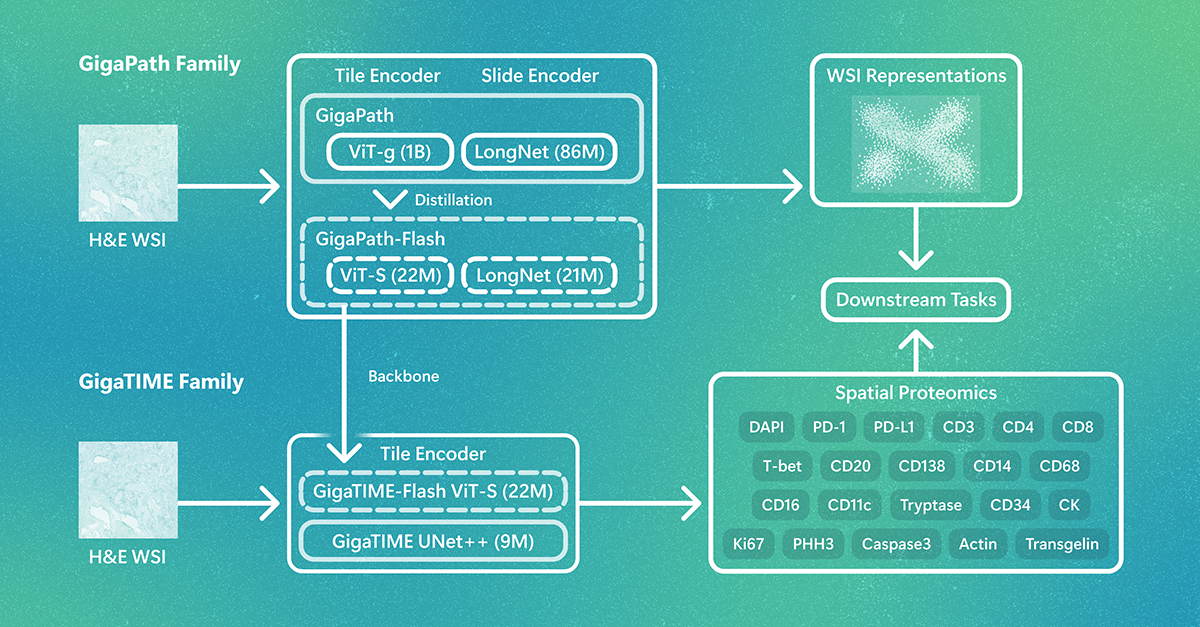
What if pathology foundation models could do more with less? GigaPath-Flash and GigaTIME-Flash cut computational demands while maintaining strong performance, opening the door to larger studies and broader exploration. The post GigaPath-Flash and GigaTIME-Flash: Toward population-scale discovery with efficient pathology foundation models appeared first on Microsoft Research.
MIT News · Artificial Intelligence· news.mit.eduAug 31, 2026
With millions of users across the world, Julia has been used to conduct cutting-edge research and to design new drugs, jet engines, heat pumps, and more.
MIT News · Artificial Intelligence· news.mit.eduAug 27, 2026
A new machine-learning framework aims to improve the success rate of computational protein design while moving away from results that reproduce sequences found in nature.