The first-ever domain-selective covalent inhibitor of BET BD2 domains by installing an epoxide warhead onto the scaffold of ABBV-744 is reported, establishing for the first time a novel targeted covalent inhibition (TCI) strategy that engages two weakly nucleophilic residues within a single bromodomain.
Abstract
Bromodomain and extra-terminal (BET) proteins are validated therapeutic targets for cancer, but clinical translation of pan-BET inhibitors is limited by dose-limiting toxicities from non-selective inhibition of BD1/BD2 domains. Herein, we report the first-ever domain-selective covalent inhibitor, named ipAE1, of BET BD2 domains by installing an epoxide warhead onto the scaffold of ABBV-744. ipAE1 was shown to irreversibly modify Glu438 and His437 (to a lesser extent) located within the BRD4(2) binding pocket via a dual-covalent mechanism, as evidenced by its chemical probe pAE1. Furthermore, ipAE1 exhibited exceptional potency against BRD4(2) (Kd = 0.096 nM) with > 1900-fold selectivity over BRD4(1), leading to potent and sustained antiproliferative activity in MV4-11 cells (GI50 = 1.5 nM). Subsequent live-cell proteome-wide profiling validated BRD4 as the primary cellular target of ipAE1. Consistent with cellular activities, ipAE1 possessed a significantly enhanced antitumor efficacy in an MV4-11 xenografted mouse model compared to ABBV-744, presumably due to its on-target covalent engagement in vivo. Our study thus establishes for the first time a novel targeted covalent inhibition (TCI) strategy that engages two weakly nucleophilic residues within a single bromodomain, an approach generalizable to other compounds targeting E/H, providing a highly selective platform for future development of next-generation BET inhibitors.
Phosphoinositide 3-kinase δ (PI3Kδ) is a clinically validated therapeutic target for hematological malignancies, while selective covalent inhibition provides an attractive strategy for achieving sustained PI3Kδ suppression. Herein, a series of quinazoline-based covalent PI3Kδ inhibitors bearing lysine-reactive warheads...
Nai-Ji Ma, Yi-Fan Feng, Bo Yuan et al.· Bioorganic chemistry (Print)· 0 citations
BRD4, a member of the bromodomain and extra-terminal (BET) family of epigenetic readers, plays a central role in transcriptional regulation and is implicated in a wide spectrum of diseases. Although BRD4 inhibitors targeting both bromodomains have advanced into clinical studies, their development and therapeutic use ar...
Sriram Prakash Baskaran, Yashini Vidhya Subramani, S. Bairy et al.· ACS Omega· 0 citations
Constitutive activation of STAT3 and dysregulation of the thioredoxin reductase 1 (TrxR1) system are deeply implicated in the pathogenesis, progression, and drug resistance of colorectal cancer (CRC). Herein, guided by a pharmacophore fusion strategy, we rationally designed and synthesized a novel series of STAT3/TrxR1...
We previously reported a potent and orally available inhibitor (2, NAcM-OPT) of the DCN1-UBE2M protein interaction that targets the neddylation pathway to potentially regulate oncogenic transformation for the treatment of cancer. In vivo profiling of compound 2 revealed that, while it was potent, orally bioavailable,...
T. Kadayat, Gaurav Shoeran, D. C. Scott et al.· Journal of Medicinal Chemist...· 0 citations
P19 represents a promising PIM1-potent, PKC-sparing multi-kinase lead for further TNBC optimization and reduced PIM1-GBP1 association and GBP1 phosphorylation, suggesting that the PIM1/GBP1 axis may contribute to its cellular activity.
Despite its established role in tumor progression and therapy resistance, Cytochrome P450 1B1 (CYP1B1) has remained largely underexplored as a therapeutic target in immunotherapy, with no prior reports using CYP1B1-targeted agents to enhance immune checkpoint inhibitor efficacy. To address this, we designed a series of...
Zhi-Hao Wu, Li-Fu Hu, Tao Shi et al.· European journal of medicina...· 0 citations
Related blog posts
MIT News · Artificial Intelligence· news.mit.eduNov 9, 2026
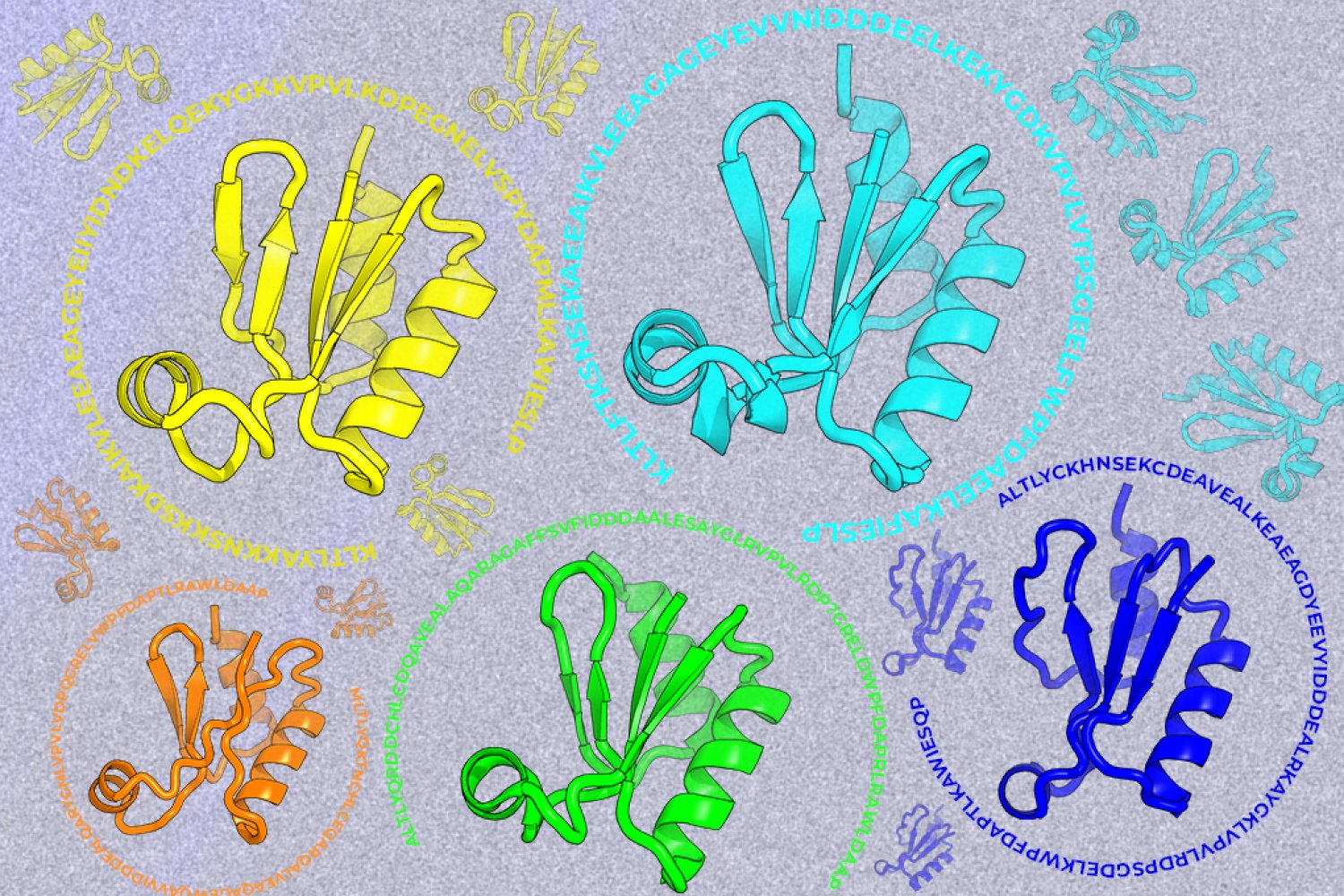
A new machine-learning framework aims to improve the success rate of computational protein design while moving away from results that reproduce sequences found in nature.