
NeuralGCM harnesses AI to better simulate long-range global precipitation
Climate & Sustainability
More from the blog

 GPT-Lab
· gpt-lab.eu
Oct 14, 2026
GPT-Lab
· gpt-lab.eu
Oct 14, 2026
Building trustworthy AI: The role of AI harnesses, intent contracts and evals
AI is moving beyond impressive demos. After World Summit AI 2026 in Amsterdam, GPT-Lab's Muhammad Waseem reflects on what organizations need to make AI agents reliable, responsible and genuinely useful in everyday work. The post Building trustworthy AI: The role of AI harnesses, intent contracts and evals appeared first on GPT-Lab.
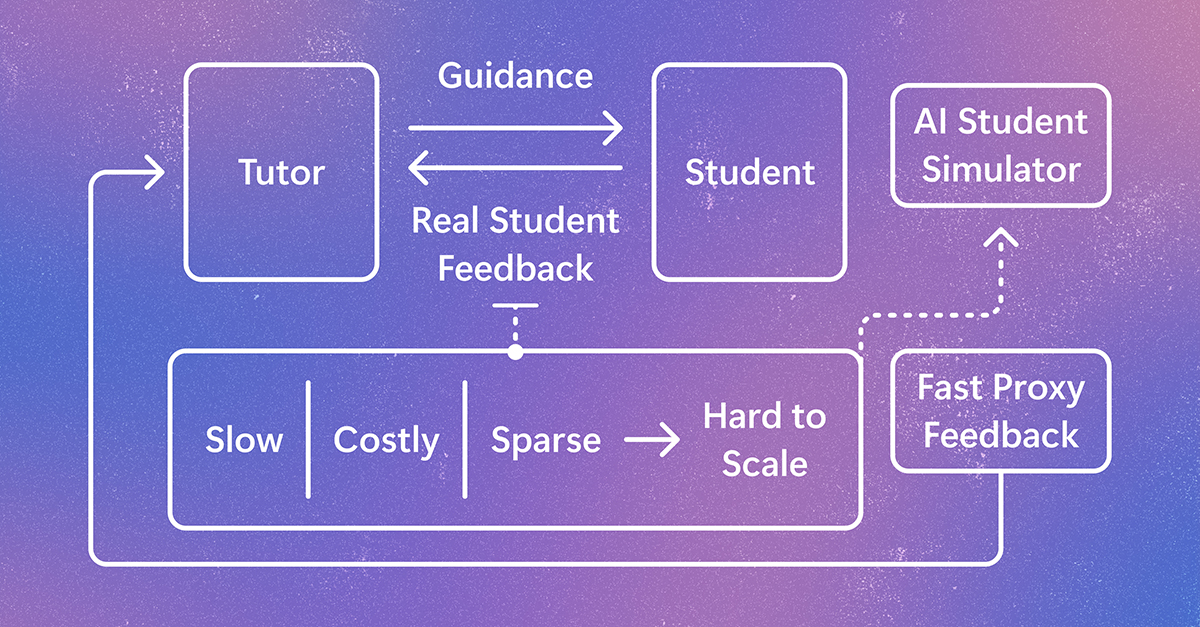
Simulating student learning for better AI tutoring
StudentSim is a research system for evaluating and improving AI tutoring tools before they are tested with learners. It models how individuals may engage with tutors, giving feedback to improve tutor performance across subjects like chess, writing, and mathematics. The post Simulating student learning for better AI tutoring appeared first on Microsoft Research.

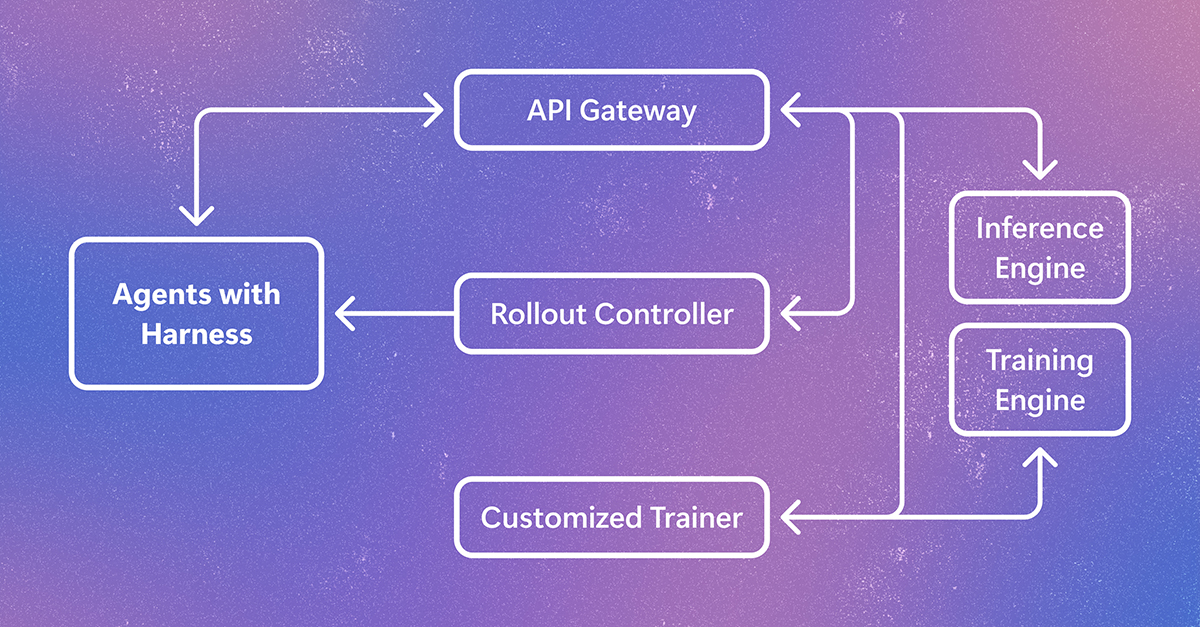
Agent Lightning v1.0: A 3,500-Line Lightweight Agentic RL Framework for Training Agents with Real Harnesses
Training AI agents with reinforcement learning can be challenging because their tools, context, and decision-making are managed by complex frameworks. Agent Lightning connects existing agents to RL training, making it easier to improve them without rebuilding them. The post Agent Lightning v1.0: A 3,500-Line Lightweight Agentic RL Framework for Training Agents with Real Harnesses appeared first on Microsoft Research.
Related papers
Anomaly detection in smart power grids with graph-regularized MS-SVDD: a multimodal subspace learning approach
A generalized Multimodal Subspace Support Vector Data Description model with graph-embedded regularization is proposed, illustrating how relational and structural information can be systematically embedded into one-class models, enabling robust learning under complex, high-dimensional, and multimodal conditions.
TERE4AI: A Knowledge Graph-Based Tool for Generating EU AI Act Compliant Requirements
ECCOLA - a Method for Implementing Ethically Aligned AI Systems
The method, ECCOLA, is presented, which aims at making the high-level AI ethics principles more practical, making it possible for developers to more easily implement them in practice.
AI-powered Code Review with LLMs: Early Results
The goal is to not only refine the accuracy of the LLM-based tool but also to underscore its potential in streamlining the software development lifecycle through proactive code improvement and education.