
New tool lets users repair AI-generated 3D models, then fabricate them just the way they want
“InstructMesh” can generate designs for everyday objects that are easy to edit and fabricate for both experts and newcomers to 3D modeling.
More from the blog
 GPT-Lab
· gpt-lab.eu
Oct 1, 2026
GPT-Lab
· gpt-lab.eu
Oct 1, 2026
Zotero Tutorialero
Zotero is a powerful open source reference manager that looks complicated at first, but is worth configuring properly once with plugins. This tutorial is aimed especially at researchers and doctoral students who want to use Zotero to manage literature and want a more efficient workflow. The post Zotero Tutorialero appeared first on GPT-Lab.

Gemini 4 Argon: our next era of frontier intelligence
Announcing Gemini 4 Argon, our frontier model for real-world coding, enterprise knowledge work and cyber defense, rolling out soon.
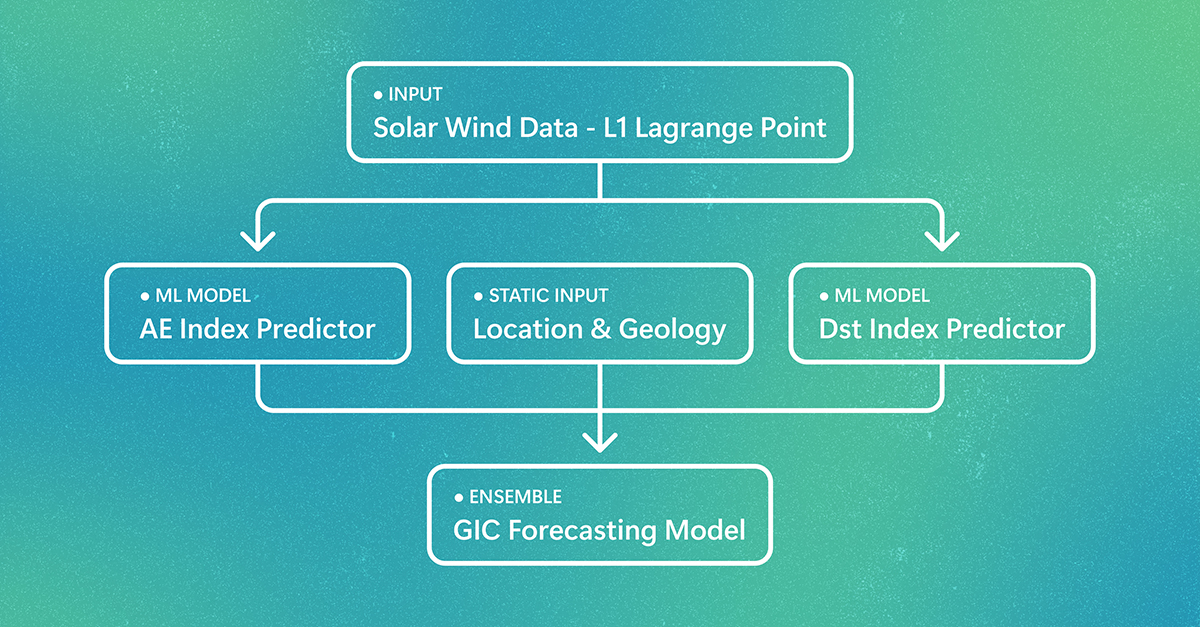
Forecasting space weather risks on power grids
Extreme space-weather events can damage power systems on Earth and degrade GPS accuracy and satellite operations. A new machine learning system can predict where damage is likely to occur 30-60 minutes before a storm arrives. The post Forecasting space weather risks on power grids appeared first on Microsoft Research.
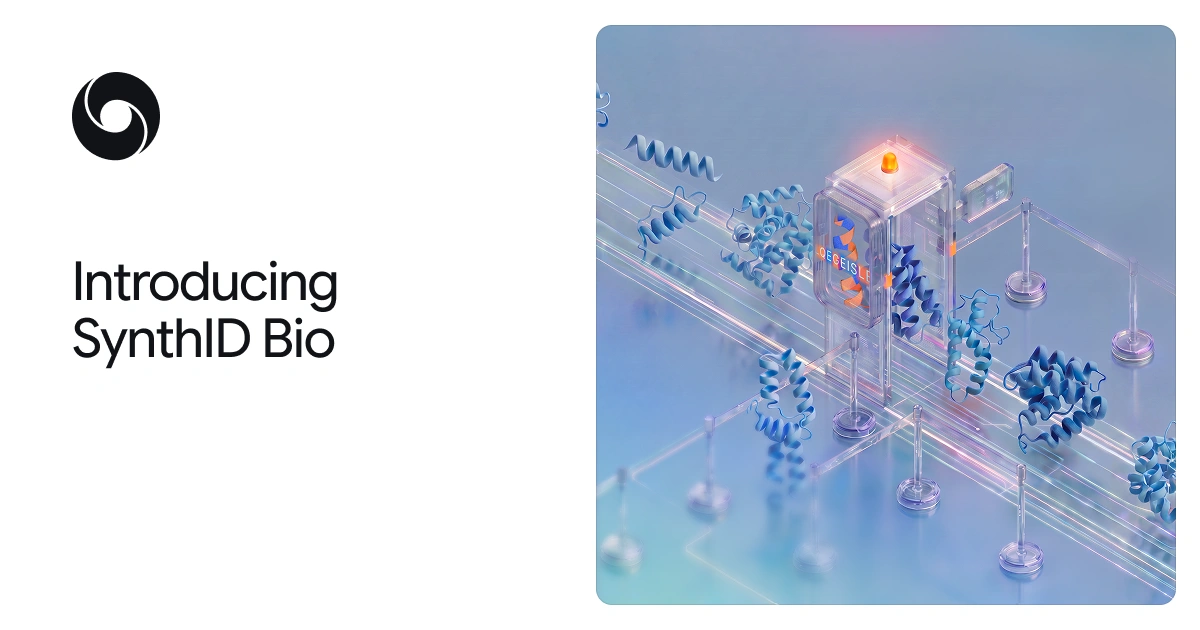
Introducing SynthID Bio
Proof of concept for watermarking AI-generated proteins while preserving biological function.
Related papers
AI-powered Code Review with LLMs: Early Results
The goal is to not only refine the accuracy of the LLM-based tool but also to underscore its potential in streamlining the software development lifecycle through proactive code improvement and education.
System for systematic literature review using multiple AI agents: Concept and an empirical evaluation
This paper introduces a novel multi-AI-agent system designed to fully automate SLRs, and demonstrates how it substantially reduces the time and effort traditionally required for SLRs while maintaining comprehensiveness and precision.
Can Large Language Models Serve as Data Analysts? A Multi-Agent Assisted Approach for Qualitative Data Analysis
The proposed LLM-based multi-agent system automates qualitative data analysis process, creating opportunities for researchers and practitioners, and future improvements focus on enhancing multilingual performance and integrating continuous expert feedback.
Token-Mol 1.0: tokenized drug design with large language models
Token-Mol is presented, a token-only 3D drug design model that encodes both 2D and 3D structural information, along with molecular properties, into discrete tokens, which introduces a Gaussian cross-entropy loss function tailored for regression tasks, enabling superior performance across multiple downstream application...