Teaching hospitals in Rivers State continue to grapple with weak innovative behaviour among their workforce, a challenge manifested in sluggish idea generation and the frequent failure of promising improvements to reach implementation, even as investments in technology intensify. This study therefore examined the relationship between technological adoption and worker’s innovative behaviour of teaching hospitals in Rivers State, with technological adoption operationalised through technological infrastructure and technological utilisation, and worker’s innovative behaviour proxied by worker’s idea generation and worker’s idea implementation. Anchored in the Diffusion of Innovations Theory and the Technology Acceptance Model, the study adopted a positivist philosophy and a cross-sectional survey design. The accessible population comprised 320 healthcare workers drawn from the University of Port Harcourt Teaching Hospital and the Rivers State University Teaching Hospital, spanning clinical, administrative, technical and support staff. The Krejcie and Morgan table yielded a sample of 175 respondents selected through simple random sampling, and a structured questionnaire served as the instrument for data collection. Of the instruments administered, 155 (88.57%) were retrieved and 145 (82.86%) were adequately completed and usable. The hypotheses were tested at the 0.05 level of significance using Partial Least Squares-Structural Equation Modelling via SmartPLS 4.1.1.9. The results revealed that technological infrastructure had a negligible, negative and non-significant relationship with worker’s idea generation (β = -0.004, p = 0.583), but a weak, positive and significant relationship with worker’s idea implementation (β = 0.278, p = 0.001); technological utilisation exhibited a very strong, positive and significant relationship with worker’s idea generation (β = 0.981, p = 0.000) and a moderate, positive and significant relationship with worker’s idea implementation (β = 0.414, p = 0.004). The study concludes that the actual utilisation of technology, rather than its mere availability, is the dominant driver of innovative behaviour, and recommends that hospital management prioritise the intensive, work-embedded use of existing systems.
Ehiorobo Friday Osaretin, Okoisama Thomas Chinye· EPRA International Journal o...· 0 citations
**Overview:** Diffusion-weighted MRI enable the quantification of brain microstructure and structural connectivity in the living human brain using various modeling and analysis approaches. Each of such modeling and analysis approaches have specific requirements in terms of b-values, diffusion-weighting gradients, and others. Here we provide an overview of minimum and/or recommended protocol settings. **Imaging hardware:** The definition of number of b-values, gradient directions, and others generalize across scanners, but settings such as echo time or repetition time might require customization depending on the available hardware. Therefore the ***intended use*** is primarily the evaluation of compatibility of users' data with modeling and analysis approaches. **Modeling approaches:** - Diffusion Tensor Imaging (DTI) - Diffusion Kurtosis Imaging (DKI) - Standard Model Imaging (SMI) - Neurite Orientation Dispersion and Density Imaging (NODDI) - Axon diameter mapping **Supplementary data:** Diffusion-weighted MRI is impacted by imaging artifacts and thermal noise. Subject motion, noise, and numerous imaging artifacts reduce image quality, degrade anatomical reliability, and lower the accuracy, precision, and robustness of modeling. These artifacts can be mitigated through preprocessing if supplementary data is available using [widely adopted pipelines](https://neurodesk.org/edu/examples/diffusion_imaging/qsiprep.html). Supplementary data might include reverse-phase encoded data or structural MRI data. **References:** 1. Basser PJ. Inferring microstructural features and the physiological state of tissues from diffusion-weighted images. NMR Biomed. 1995;8:333–44. 2. Jensen JH, Helpern JA, Ramani A, Lu H, Kaczynski K. Diffusional kurtosis imaging: The quantification of non-gaussian water diffusion by means of magnetic resonance imaging. Magn Reson Med. 2005;53:1432–40. 3. Novikov DS, Veraart J, Jelescu IO, Fieremans E. Rotationally-invariant mapping of scalar and orientational metrics of neuronal microstructure with diffusion MRI. Neuroimage. 2018;174:518–38. 4. Zhang H, Schneider T, Wheeler-Kingshott CA, Alexander DC. NODDI: practical in vivo neurite orientation dispersion and density imaging of the human brain. Neuroimage. 2012;61:1000–16. 5. Palombo M, Ianus A, Guerreri M, Nunes D, Alexander DC, Shemesh N, et al. SANDI: A compartment-based model for non-invasive apparent soma and neurite imaging by diffusion MRI. Neuroimage. 2020;215:116835. 6. Veraart J, Raven EP, Edwards LJ, Weiskopf N, Jones DK. The variability of MR axon radii estimates in the human white matter. Hum Brain Mapp. 2021;42:2201–13. 7. Coelho S, Liao Y, Szczepankiewicz F, Veraart J, Chung S, Lui YW, Novikov DS, Fieremans E. Assessment of precision and accuracy of brain white matter microstructure using combined diffusion MRI and relaxometry. Hum Brain Mapp. 2024 Jun 15;45(9):e26725. **Disclaimer:** This list is not exhaustive. Please contact authors to suggest additional models or modeling approaches and we can update accordingly. This is a dicompare validation schema. View, browse, and use it at https://dicompare.neurodesk.org/schema/Protocols_for_DWI_analysis_v1.1.
Jelle Veraart, Santiago Coelho· Zenodo (CERN European Organi...· 0 citations
The snake’s head fritillary (Fritillaria meleagris) displays one of the rarest pigmentation motifs in the plant kingdom: a high-contrast checkerboard of alternating purple and white domains on its tepals. Standard reaction–diffusion theory does not generically produce this pattern: Turing instabilities in isotropic media select a length scale but impose no preferred orientation or strict alternation between neighbors. We show that a minimal set of three sequential physical mechanisms — a Gray–Scott reaction–diffusion prepattern guided by vascular veins, anisotropic diffusion confined to interveinal corridors, and a threshold-switch Hill-type pigmentation response, each already documented separately in living systems — is sufficient to produce a square, alternating motif. Agreement with biological measurements is quantified with a purpose-built shape metric, the Square Index (SI [%]), capturing how closely a pigment domain approaches a perfect square. The full model raises SI from the classical Turing-spot value (≈ 76%) to ≈ 83%, closing roughly a third of the remaining gap to an ideal square lattice (100%); the pattern’s strict two-dimensional alternation is instead accounted for structurally, by vein-imposed staggering. These results show how tissue geometry and transport anisotropy can steer diffusion-driven instabilities into a noncanonical spatial pattern.
Jade Primel, Paul Lefebvre, Adama Mbaye· Zenodo (CERN European Organi...· 0 citations
Abstract. Landscapes are living systems whose long-term trajectories carry profound cultural, spiritual, and resource significance for Indigenous communities worldwide. Yet the tools capable of simulating long-term landscape change, such as numerical landscape evolution models, remain largely inaccessible outside specialist research communities, constraining their potential contribution to community-led stewardship and land management decision-making. This paper introduces LandEvolve, a landscape evolution modelling framework developed entirely within a free and open-source software ecosystem, designed to extend process-based geomorphic simulation into community-accessible settings. Built upon the Landlab platform, it integrates a Python-based graphical user interface developed using the Qt framework and supporting libraries, enabling users to configure and execute simulations such as fluvial incision, hillslope diffusion, and sediment transport without requiring programming expertise or specialist technical knowledge. The tool and its source code will be made publicly available to enable reuse, modification, and community-driven development. As a primary case study, LandEvolve is co-developed with M¯aori Indigenous communities of Aotearoa New Zealand through an iterative participatory process in which Indigenous knowledge directly informs scenario design and model configuration. This engagement is grounded in geoethical principles and data sovereignty frameworks, ensuring that culturally sensitive information remains under community governance and that communities retain meaningful agency throughout the modelling process. Interactive two-dimensional and three-dimensional visualisation capabilities further support accessible, dialogue-based exploration of landscape futures, illustrating how open-source geospatial tools can be repositioned as instruments of intergenerational stewardship that place long-term landscape futures in the hands of the communities who depend on, and hold responsibility for, them.
Vinuri Piyathilake, Matthew W. Hughes, Matthew Wilson· The international archives...· 0 citations
Reach audiences
Advertise in front of researchers, engineers, and readers.
Abstract We introduce a fast (~1–50 ms) and generalised public framework for modelling interaction-powered transients. The framework solves the thin-shell equations of motion for ejecta colliding with circumstellar material (CSM), and supports arbitrary CSM density and velocity profiles, including steady winds, eruptions, and complex time-variable mass-loss histories. For optical/UV lightcurves, we implement two luminosity treatments: a fast one-zone mode based on the thin-shell shock power, and a finite-shell transport mode that evolves trapped radiation, photon diffusion, shock emergence, and post-emergence cooling for finite, static CSM shells. In a benchmark comparison, the transport calculation and an optional time-dependent shock-efficiency prescription reproduce the main qualitative and quantitative features of a one-dimensional radiation-hydrodynamical simulation. We use the same shock solution to post-process radio synchrotron and thermal bremsstrahlung X-ray predictions, enabling self-consistent multi-wavelength diagnostics. We show that the assumed CSM velocity structure can significantly affect inferred parameters even when the density profile at explosion is identical, and that aspherical CSM can mimic multiple spherical shells in bolometric lightcurves. We demonstrate the framework through recovery of a synthetic time-variable mass-loss history and applications to six transients: the Type IIn SN 2010jl, the rapidly evolving stripped-envelope SN 2023xgo, the Type Ia-CSM SN 2020aeuh, the hydrogen-poor superluminous SN 2015bn, the eruptive LBV-like transient SN 2009ip, and the long-duration interacting event iPTF14hls. The inferred CSM structures span steady or enhanced winds, thermonuclear interaction, eruptive density enhancements, and highly structured pre-supernova mass loss, illustrating the framework’s utility for inference on upcoming large samples of interacting transients.
Nikhil Sarin, Ryosuke Hirai· Monthly Notices of the Royal...· 0 citations
Abstract Background Perinatal mood and anxiety disorders (PMADs) are among the most common and consequential complications of pregnancy. The perinatal period is also characterized by profound hormonal fluctuations and large-scale brain plasticity. However, the mechanisms linking these neurobiological changes to psychiatric risk are poorly understood. Prospective, clinically informed studies are needed to identify quantitative biomarkers and clarify pathways linking perinatal neurobiology to PMADs risk. Methods This report describes the design of a prospective, longitudinal cohort study integrating multimodal neuroimaging, biofluid sampling, and deep clinical phenotyping to enable precision characterization of neurobiological trajectories of PMADs risk. Twenty-five individuals at elevated risk for PMADs will be recruited prior to conception and followed across six in-person timepoints spanning the menstrual cycle, pregnancy, and early postpartum, with additional remote follow-ups through the first postpartum year. Data collection includes high-resolution structural MRI, functional brain mapping using multi-echo resting-state fMRI, diffusion MRI, arterial spin labeling, ultra-high field MR-based techniques for measuring glutamate (GluCEST and 1 HMRS), biofluid sampling, and comprehensive clinical, behavioral, and cognitive assessments. Structured clinical interviews assess categorical diagnoses while dimensional symptom measures capture heterogeneity and transdiagnostic features of perinatal psychopathology. Longitudinal analyses will model nonlinear trajectories of brain and symptom change across the perinatal period as well as evaluate whether preconception network features and menstrual cycle-related brain changes are associated with subsequent perinatal symptom emergence. Discussion This cohort study establishes a longitudinal, multimodal framework for investigating neurobiological changes across the transition to pregnancy in individuals at elevated risk for PMADs. By anchoring pregnancy-related brain changes to preconception and menstrual cycle-related variability within the same individuals, this study is designed to evaluate associations between preconception hormone sensitivity, pregnancy-induced neuroplasticity, and PMADs risk. The resulting dataset will provide a deeply phenotyped longitudinal resource for investigating brain-behavior relationships across the perinatal period. Findings are expected to inform future larger-scale studies aimed at advancing mechanistic understanding of PMADs, improving individualized risk stratification, and supporting development of personalized preventive and neuromodulatory interventions.
Noemi Rubau-Apa, Caroline Hayes, Ashley Francisco et al.· BMC Psychiatry· 0 citations
Abstract Intra-tumor heterogeneity in proliferation rates fundamentally influences cancer progression and treatment resistance. To investigate how continuous phenotypic variation shapes eco-evolutionary dynamics, we develop a phenotype-structured partial differential equation framework that explicitly models proliferation heterogeneity as a dynamic trait. Our model integrates three key biological principles: (1) phenotypic diffusion capturing heritable variation in proliferation rates, (2) global resource competition enforcing density-dependent growth constraints, and (3) an experimentally grounded life-history trade-off linking elevated proliferation to increased mortality. Using adaptive dynamics, we derive the optimum proliferation rate in a growing tumor, showing that the optimal phenotype dynamically shifts toward slower proliferation as tumors approach carrying capacity under control condition. We perform in silico treatment simulations for four different treatment regimes (pan-proliferation, low-, mid-, and high-proliferation targeting) to show how therapeutic selective pressures reshape fitness landscapes. While all treatments slow down tumor growth, they induce divergent evolutionary trajectories. We connect these dynamics with changes in mean proliferation rates during and after treatment. Our work establishes a predictive, evolutionarily grounded framework for understanding how therapy reshapes tumor proliferation landscapes, offering a mechanistic basis for designing strategies that anticipate and counteract adaptive resistance.
Lara Schmalenstroer, Haojun Chen, Russell C. Rockne et al.· Bulletin of Mathematical Bio...· 0 citations
Background: Ocular drug delivery is hindered by physiological barriers such as tear turnover and nasolacrimal drainage, leading to poor bioavailability of conventional formulations. Biodegradable hydrogel microspheres offer a promising approach for sustained ocular release of therapeutic agents. Objective: To formulate and evaluate sodium alginate Pluronic F-68 hydrogel microspheres for ocular delivery of metronidazole using a factorial design approach. Methods: Hydrogel microspheres were prepared by ionic crosslinking of sodium alginate and Pluronic F-68, with metronidazole incorporated into the polymeric matrix. Nine formulations (MH1 MH9) were developed and evaluated for entrapment efficiency, particle size, zeta potential, swelling behaviour, and in vitro drug release in simulated tear fluid. Results: Entrapment efficiency ranged from 33.62 percent to 67.37 percent, with MH7 showing the highest drug loading (33.6 percent) and encapsulation efficiency (67.37 percent). Particle size varied between 40.44 µm and 148.28 µm, with MH7 exhibiting a zeta potential of –22.1 mV, indicating good stability. Swelling studies revealed that higher sodium alginate concentrations increased water uptake, whereas higher Pluronic F-68 concentrations reduced it. In vitro release demonstrated that MH7 achieved sustained release, with 49.4 percent drug released over 24 h. Kinetic modelling indicated that drug release followed the Higuchi model (R² = 0.9925), suggesting a diffusion-controlled mechanism. Conclusion: The optimised formulation MH7 demonstrated high encapsulation efficiency, stable particle characteristics, and prolonged drug release, making it a promising candidate for sustained ocular delivery of metronidazole.
Ashwani Jain, Pradeep Chauhan, Sandeep Jain· International Journal of Adv...· 0 citations
Electroanalytical chemistry reads chemistry through the electrode: the family of methods—polarography, cyclic voltammetry, and impedance spectroscopy—that make the current's response to a programmed potential a quantitative and mechanistic language. This article presents a narrative review of the primary literature that built that language, from Faraday's 1834 electrical decomposition and Nernst's 1889 electromotive activity, through Heyrovský and Shikata's 1925 polarograph and Ilkovič's 1934 diffusion-current equation, Randles's 1948 cathode-ray polarography and Ševčík's 1948 triangular-wave analysis, Nicholson and Shain's 1964 theory of stationary electrode polarography, whose cyclic voltammetry's peaks became the field's fingerprints, Kolthoff and Lingane's 1952 Polarography and Delahay's 1954 instrumental methods, Bard and Faulkner's 2001 Electrochemical Methods, the codifying textbook, and the impedance line of Epelboin, Keddam, and Takenouchi's 1972 reaction models and Orazem and Tribollet's 2008 Electrochemical Impedance Spectroscopy. The synthesis is organized around three themes: the thermodynamic and polarographic foundation, in which the electrode's equilibrium and diffusion currents were formalized; the voltammetric settlement, in which the sweep's peaks acquired their theory and their diagnostic power; and the impedance extension, in which the frequency domain separated the interface's processes. It is concluded that electroanalysis's century is the electrode's conversion into an instrument—its current a language whose grammar the corpus wrote.
Zen Revista, 10 CHEMISTRY· Zenodo (CERN European Organi...· 0 citations
Electroanalytical chemistry reads chemistry through the electrode: the family of methods—polarography, cyclic voltammetry, and impedance spectroscopy—that make the current's response to a programmed potential a quantitative and mechanistic language. This article presents a narrative review of the primary literature that built that language, from Faraday's 1834 electrical decomposition and Nernst's 1889 electromotive activity, through Heyrovský and Shikata's 1925 polarograph and Ilkovič's 1934 diffusion-current equation, Randles's 1948 cathode-ray polarography and Ševčík's 1948 triangular-wave analysis, Nicholson and Shain's 1964 theory of stationary electrode polarography, whose cyclic voltammetry's peaks became the field's fingerprints, Kolthoff and Lingane's 1952 Polarography and Delahay's 1954 instrumental methods, Bard and Faulkner's 2001 Electrochemical Methods, the codifying textbook, and the impedance line of Epelboin, Keddam, and Takenouchi's 1972 reaction models and Orazem and Tribollet's 2008 Electrochemical Impedance Spectroscopy. The synthesis is organized around three themes: the thermodynamic and polarographic foundation, in which the electrode's equilibrium and diffusion currents were formalized; the voltammetric settlement, in which the sweep's peaks acquired their theory and their diagnostic power; and the impedance extension, in which the frequency domain separated the interface's processes. It is concluded that electroanalysis's century is the electrode's conversion into an instrument—its current a language whose grammar the corpus wrote.
Zen Revista, 10 CHEMISTRY· Zenodo (CERN European Organi...· 0 citations
A propagation probability matrix is utilizes to identify congestion propagation patterns and finds traffic behavior over 24 h, revealing critical insights into congestion trends in a selected road network and proposing a novel self attention–based diffusion convolutional network (SADCN) that effectively predicts traffic congestion propagation.
M. Rahman, M. Arif, Naushin Nower· Journal of Transportation En...· 0 citations
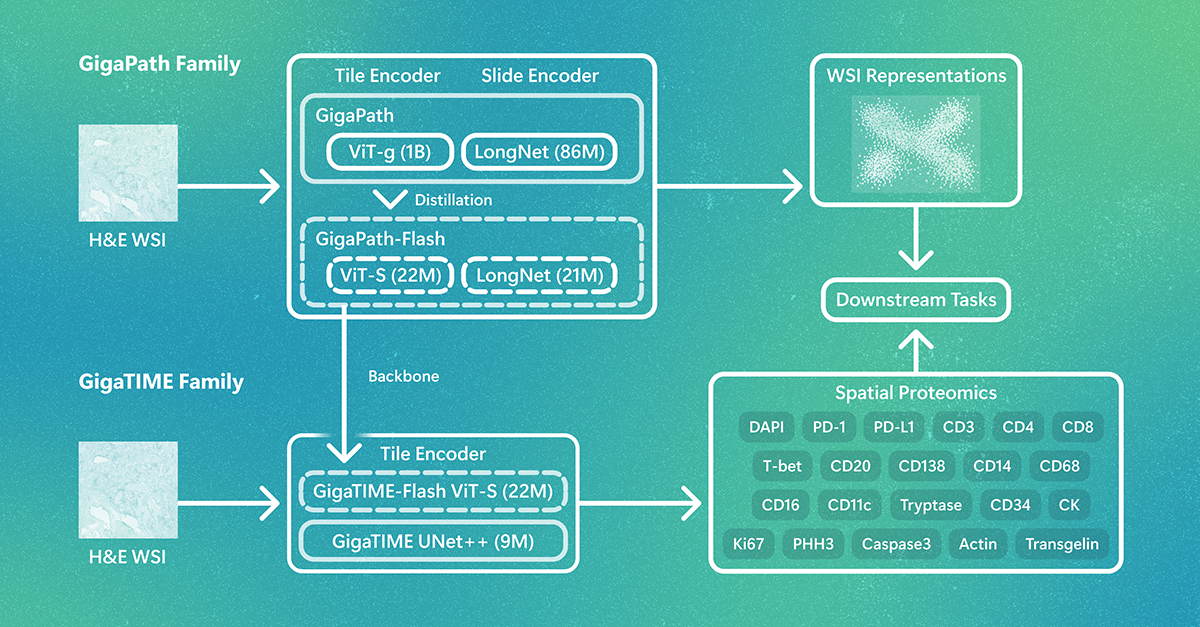
What if pathology foundation models could do more with less? GigaPath-Flash and GigaTIME-Flash cut computational demands while maintaining strong performance, opening the door to larger studies and broader exploration. The post GigaPath-Flash and GigaTIME-Flash: Toward population-scale discovery with efficient pathology foundation models appeared first on Microsoft Research.
We use cookies to run the site and, with your consent, for analytics and to show ads.
See our Cookie Policy.