Accurate prediction of blood-brain barrier permeability (BBBP) is essential for central nervous system drug discovery, yet existing models are often limited by their reliance on predefined physicochemical descriptors, small-molecule-centered training sets, or conformation-dependent representations, which restricts their transferability across chemically diverse modalities especially peptides. In addition, publicly available BBBP datasets remain fragmented, inconsistently standardized, and weakly controlled for molecular redundancy, increasing the risk of data leakage and overestimated model performance. In this study, we propose BBBP-Atlas, a structure-aware BBB permeability prediction model designed for unified modeling of small molecules and peptides with the first cross-modal dataset OmniBBBP. Designed to bypass descriptor and conformation dependencies, our model represents standardized molecular structures as atom-level graphs to capture local atom-bond environments and long-range topological dependencies associated with BBB transport. This design enables direct learning of structure-permeability relationships from molecular topology. For model training and evaluation, we curated a cross-modal, redundancy-filtered database OmniBBBP that seamlessly unifies small molecules and complex peptides, containing 10,218 unique compounds with 9,316 small molecules and 902 peptides. BBBP-Atlas achieved an accuracy of 0.8914 and an MCC of 0.7678 on the independent test set. On a balanced external benchmark of 200 compounds, our model reached an AUC of 0.9108, an accuracy of 0.8500, and an MCC of 0.7000, outperforming LightBBB by an absolute MCC gain of 6%. Case studies further showed that BBBP-Atlas captured clinically meaningful BBB permeability patterns, correctly identifying lorlatinib as BBB-permeable and vancomycin as BBB-impermeable with high confidence. The OmniBBBP-backed BBBP-Atlas offers a versatile and cross-modal approach for single-compound prediction, batch screening, and dataset exploration for CNS drug discovery. BBBP-Atlas is available at https://cadd.drugflow.com/bbbp/.
Xin Shen, Qun Su, Hao Luo et al.· bioRxiv· 0 citations
Reproducible research software and literature-derived input data supporting the manuscript “Temporal Patterning of Intermittent Lower-Leg Muscle-Pump Activation During Prolonged Sitting: A Hierarchical Timing Model with Held-Out Human Doppler Validation.” The release contains the canonical hierarchical timing model, held-out human Doppler validation, finite-reset robustness analysis, evidence-constrained fast-refill calculations, source-tagged processed data tables, manuscript figures, automated tests, and a minimal reproduction entry point. The model distinguishes minute-scale spacing between effective lower-leg muscle-pump bouts from rapid within-bout pump events. It is a hemodynamic research model and does not estimate clinical DVT or pulmonary-embolism probability or define a safe sitting interval.
Yuzhan Zhang· Zenodo (CERN European Organi...· 0 citations
Abstract We aimed to evaluate the test–retest reliability and concurrent validity of a smart spirometry system with real-time software guidance compared to conventional laboratory spirometers. We included adult patients with asthma and/or chronic obstructive pulmonary disease from South Korea ( n = 633) and Vietnam ( n = 452). Participants underwent spirometry using the smart device and reference spirometers. Within-device test–retest reliability was assessed by repeating smart device measurements after a 30-min interval, whereas concurrent validity was evaluated by comparing smart device measurements with those obtained using reference spirometers. In South Korea, concurrent validity showed high agreement (intraclass correlation coefficient [ICC] range: 0.922–0.973 across forced vital capacity [FVC], forced expiratory volume in 1 s, forced expiratory flow at 25%–75% of FVC, and peak expiratory flow); moreover, test–retest reliability was excellent (ICC range: 0.941–0.983). Similarly, in Vietnam, the concurrent validity was high (ICC range: 0.965–0.992), with excellent reliability (ICC range: 0.973–0.997). Across both sites, Bland–Altman analyses showed that the 95% limits of agreement for FVC and FEV 1 exceeded published method-comparison thresholds, whereas ICCs indicated high relative agreement. The smart spirometry system demonstrated high test-retest reliability and small mean between-device biases, suggesting potential utility in primary care and other settings with limited spirometry infrastructure, pending confirmation in future real-world studies.
Jun-Young Song, Vinh Nguyen-Nhu, Sam-Ho Park et al.· Scientific Reports· 0 citations
This paper presents a novel approach to software security protocol design leveraging formal verification techniques. Traditional protocol design relies heavily on manual analysis and testing, which are often insufficient to guarantee complete security. This work introduces a methodology that transforms security protocols into formal models, allowing for rigorous verification using formal verification tools. The core claim is that by employing formal verification, we can achieve a significantly higher level of confidence in the security of a protocol compared to conventional methods. The proposed mechanism involves the translation of protocol specifications into mathematical models, followed by automated verification to identify potential vulnerabilities and ensure adherence to security properties. This approach promises to improve the robustness and reliability of security protocols, particularly in critical systems where security breaches can have severe consequences. The research contributes to a paradigm shift in protocol design, moving from reactive testing to proactive verification.
Jincheng Zhang· Zenodo (CERN European Organi...· 0 citations
Reach audiences
Advertise in front of researchers, engineers, and readers.
Replication and verification material for the PROMPTOPS 2026 paper "Prompt Pipelines asEngineered Artifacts: Regression-Testing a Multi-Agent Threat-Modeling Pipeline",presented at the 1st International Workshop on PromptOps and Vibe Coding, co-located withthe 41st IEEE/ACM International Conference on Automated Software Engineering (ASE 2026),Munich, 12-16 October 2026. The paper reports engineering experience from treating a multi-agent STRIDE threat-modelingpipeline as a set of versioned, regression-tested prompt artifacts: modular role prompts,typed inter-stage contracts, pipeline hyperparameters promoted out of code into versionedconfiguration, and a fixed corpus of 24 system architectures with 745 expert-curatedreference threats acting as a regression oracle with cost-aware metrics. This deposit contains: - 24 system architectures across five domains, normalised to a unified YAML schema, and their 745 expert-curated reference threats;- raw output for 8 pipeline variants across all 24 architectures (192 runs), including per-agent and per-stage run metadata;- the aggregate evaluation data behind Table 1 of the paper;- the prompt artifacts: category-agent, retrieval-query, auditor, corrector and risk-scoring prompts, per variant;- a code-only snapshot of the pipeline framework;- verify/verify_claims.py, which recomputes every quantitative claim in the paper and reports PASS, FAIL, or UNSUPPORTED for each. The verification script is the point of the deposit. It currently reports 29 passed, 1failed and 2 unsupported, and that result is intentional: it exposes two reporting defectsthat the paper's camera-ready text addresses in the open, rather than leaving a reader tofind them. UNSUPPORTED marks a claim the retained archive cannot establish. Two limitations of the archive are load-bearing and are documented in MANIFEST.md ratherthan left to be discovered. Risk scoring was enabled for only 7 of the 24 architectures, sothe risk-calibration column aggregates 6 or 7 cells per variant rather than 24. The trialruns that decided the removal of the chunk-filtered retrieval stage were not retained, andneither were the curated extended reference lists; the aggregate values and the outputs theexpansion was drawn from survive, the promotion decisions do not. Not included: the retrieval knowledge base built over CVE, CWE, MITRE CAPEC and ATT&CK, andOWASP material, whose redistribution terms differ from this deposit's licence.framework/KNOWLEDGE_BASE.md records its contents, the provenance of each source, and thecommand that rebuilds the index. No API credentials are included; build_package.py scansthe assembled package for credentials and personal data and fails if it finds any. Licence: the code is MIT. The architecture descriptions and reference threat lists areaggregated from open repositories of published threat-modeling examples and retain theirupstream terms; per-architecture provenance is in dataset/README.md. Reproducing a pipeline run end to end requires an OpenRouter API key and a rebuiltknowledge base. Note that LLM output varies between runs even at the pinned inferencesettings, so a fresh run will not reproduce the archived outputs exactly. The archive holdsone run per (architecture, variant) cell; this single-run limitation is discussed in thepaper.
Eldar Mametov, Andrey Sadovykh· Zenodo (CERN European Organi...· 0 citations
v1.0.0 — Initial public release First release of leakcheck: a Python package that screens a reported classification result for the signature of synthetic over-sampling applied before the train/test split. This is the version intended for archival (Zenodo DOI) and for software-paper review. Install pip install -e ".[dev]" python -m pytest -q Runtime dependency: NumPy only. The trained model ships as src/leakcheck/model.json and is evaluated by a pure-NumPy tree walker, so scores do not change when scikit-learn does. Use import leakcheck r = leakcheck.check( f1=0.92, imbalance_ratio=5.2, n_minority=237, n_features=44, clf="RandomForest", ) print(r.probability, r.verdict) print(r.explain()) leakcheck --f1 0.92 --ir 5.2 --n-minority 237 --n-features 44 --clf RandomForest What's in this version Screening model fitted on 22,400 labelled leaked/honest pairs from 41 datasets, validated leave-one-dataset-out (AUC 0.795). CLI (leakcheck), batch screening (check_many), and selftest() fixtures that match scikit-learn to 1e-9. paper.md / paper.bib for the software paper. Code/04_export_model.py to refit and rewrite src/leakcheck/model.json from results/raw_results.csv. Code/analysis.ipynb and figures/fig05_diagnostic.png. Verdicts | Probability | Label | |---|---| | < 0.35 | unremarkable | | 0.35–0.65 | worth asking about | | ≥ 0.65 | likely leaked | A high probability is a prompt to ask where the resampler sits relative to the split. It is not a finding of error or misconduct. Requirements Python ≥ 3.9; numpy>=1.21. Optional: pandas (pip install 'leakcheck[table]'). License BSD 3-Clause.
Author names withheld for review· Zenodo (CERN European Organi...· 0 citations
This software package contains the analysis code supporting the study “Predicting radiation esophagitis after lung cancer radiotherapy using dose-volume, radiomic and dosiomic features: an external validation study”. It includes DICOM data quality control and preprocessing, ROI-specific feature extraction, direct elastic-net logistic regression, nested cross-validation, frozen external validation, paired DeLong tests, stratified bootstrap confidence intervals, calibration analysis and decision-curve analysis. Patient-level clinical data, DICOM files, patient identifiers and model prediction files are not included. The software is released under the BSD 3-Clause License.
Libin Liu· Zenodo (CERN European Organi...· 0 citations
This record contains the final Supplementary Data workbook and reproducibility resources supporting the manuscript “5-Methoxytryptophan treatment is associated with behavioral, peripheral serotonin-immune, and central serotonin transporter availability patterns in a rat inflammatory pain model.” The study evaluated 5-methoxytryptophan in male Wistar rats with complete Freund’s adjuvant-induced inflammatory pain. The workbook contains RNA-seq sample metadata and a gene-symbol-collapsed count-like matrix from an RBC-lysed peripheral blood leukocyte fraction (n = 2 per group per time point; 22 samples in total); differential-expression, gene-set-enrichment, module-score, detectability, directional-opposition, and gene-membership tables supporting Figures 2–5; animal-level mechanical-threshold, paw-thickness, forced-swim, and sucrose-preference data, summaries, and statistical outputs supporting Figure 6; animal-level cross-sectional 4-[18F]-ADAM SERT-specific uptake-ratio values, summaries, pointwise statistics, CFA-to-Sham reference-scale estimates, and group-summary tables supporting Figure 7; and a sheet index, column dictionary, and software-version information. The accompanying archive contains the final Figure 2–7 generation scripts, required analysis input files, and R session-information records. The RNA-seq samples represent a mixed RBC-lysed peripheral blood leukocyte fraction, and the workbook therefore uses leukocyte-fraction and composition-sensitive terminology. PET observations at Days 14, 21, and 28 are independent cross-sectional measurements. Figure 7E contains dose-by-time group summaries and does not report a correlation or inferential test. Transcriptomic, behavioral, and imaging data are presented as parallel study components. Version 2.0.0 aligns the files with the final revised manuscript, including specimen terminology, figure-panel mappings, worksheet and column labels, data dictionaries, software information, derived/statistical source tables, and portable Figure 2–7 scripts. Raw sequencing reads are not included. This standalone release consolidates the final Supplementary Data workbook and Figure 2–7 reproducibility resources for citation with the revised manuscript.
Yi‐Lin Chiu· Zenodo (CERN European Organi...· 0 citations
Cyber threats are no longer limited to large enterprises; small businesses, startups, and growing companies are increasingly exposed to phishing, ransomware, data theft, and application vulnerabilities. Choosing the right Cyber security company in Bangalore can help organizations identify these risks before they become expensive incidents, while working with a reliable Cyber security company in Bangalore can also provide a structured approach to protecting applications, networks, devices, and sensitive business information. As companies continue moving their operations online, cybersecurity has become an essential part of maintaining business continuity and customer trust. Why Businesses Need Professional Cybersecurity Support Many organizations invest in firewalls, antivirus software, and cloud security tools but still overlook weaknesses in their applications and internal processes. Technology alone cannot identify every security gap. Attackers often target misconfigured systems, outdated software, weak passwords, exposed APIs, and poorly protected databases. A professional cybersecurity provider helps businesses look at security from an attacker’s perspective. Security assessments can uncover vulnerabilities that may otherwise remain hidden. Organizations can then prioritize remediation based on the potential impact and likelihood of exploitation. VAPT is particularly useful because it combines vulnerability assessment with penetration testing. While vulnerability assessment helps identify potential weaknesses, penetration testing examines whether those weaknesses can actually be exploited within an authorized testing environment. How Nextwebi Can Help Businesses Organizations looking for structured cybersecurity support can consider providers such as Nextwebi when evaluating their security requirements. A Leading Cyber Security Company in Bangalore can assist businesses with security assessments, vulnerability identification, application testing, and risk-focused recommendations without disrupting normal business operations. The approach should not simply be about finding a long list of vulnerabilities. A useful cybersecurity assessment explains why a vulnerability matters, what systems it affects, how serious the risk is, and what practical remediation steps should be considered. This becomes particularly important for companies handling customer information, payment data, employee records, or proprietary business information. Cybersecurity and Digital Business Growth Cybersecurity is also closely connected with digital transformation. Businesses investing in websites, mobile applications, cloud platforms, and online marketing need to consider security throughout the development lifecycle. For example, a Digital Marketing agency in Bangalore may manage websites, analytics platforms, advertising accounts, and customer data for multiple clients. If these systems are not properly secured, a single compromised account can create significant operational and reputational problems. Security testing should therefore be treated as an ongoing process rather than a one-time activity. Regular assessments can help organizations detect newly introduced vulnerabilities as applications, infrastructure, and business processes change. Making Security a Continuous Business Practice A strong cybersecurity strategy begins with understanding what needs protection. Companies should identify critical applications, sensitive information, external-facing systems, and third-party integrations. Once these assets are mapped, security teams can establish testing priorities. Regular VAPT assessments, employee awareness programs, access-control reviews, patch management, and incident-response planning can collectively improve an organization's security posture. Cybersecurity does not require a business to eliminate every possible risk. The more realistic objective is to understand important risks early, reduce unnecessary exposure, and create a clear response process when something goes wrong. FAQs 1. What does a cybersecurity company do? A cybersecurity company helps organizations identify and reduce security risks through services such as vulnerability assessments, penetration testing, security audits, and application security testing. 2. What is VAPT? VAPT stands for Vulnerability Assessment and Penetration Testing. It combines vulnerability identification with controlled security testing to determine which weaknesses may present meaningful risks. 3. Why are penetration testing services important? Penetration testing services help organizations understand whether identified vulnerabilities could potentially be exploited by an attacker under an authorized testing scenario. 4. How often should businesses conduct security testing? The frequency depends on the organization, its risk profile, technology stack, and regulatory requirements. Testing is particularly important after major application, infrastructure, or architectural changes. 5. Is cybersecurity important for small businesses? Yes. Small businesses can hold valuable customer and financial information while sometimes having fewer security resources, making proactive security practices important.
Avi543k, Avi543k· Zenodo (CERN European Organi...· 0 citations
“Originally published in IJPPR Human Journals”. ABSTRACT The Pharmaceutical Industry is changing. Products & data in the Pharmaceutical Industry are becoming more Complex. Software Products can help with all these factors. Software Programs helps to control and manage these factors. Software means program that tell computers what to do. It’s a bunch of code in a language that the computer can understand. This process is known as compilation. Software saves time by keeping records and calculations. Software is used for different tasks in the Pharmaceutical Industry. Software is used for tracking Tablets, Quality Control test Results, Regulatory Compliance, Marketing Sales data and Clinical Trial Management. Sometimes one Software Program Is Enough while Sometimes Many Software Programs are used in Combination. In this Industry, Various Types of Software are used in different areas and many Companies have a great variety of Software Packages. As we have implemented Good Manufacturing Practices, Good Laboratory Practices and the use of Software has decreased slightly since Good Manufacturing Practices, Good Laboratory Practices, but seems as little. Keywords: Pharmaceutical Software, Pharmaceutical Industry, Current Good Manufacturing Practices (cGMP), Computer System Software, Recent Software, Pharmacy Industry.
Mohd Shahrukh Shaikh Mansoori*1, Mr. Sujeet Pratap Singh2, Mr. Pramod Mishra3, Dr. Tarkeshwar Prasad Shukla4· Zenodo (CERN European Organi...· 0 citations
This qualitative study explores the dynamics and problems inherent in the design process within a South African secondary school context, focusing on how creativity can be recognised, motivated, and effectively developed. Using purposive sampling, four schools representing diverse socio-economic contexts were selected. A total of four design teachers and twenty process books with products from volunteering design learners in Grade 10 to 11 were selected. Data were collected through two primary strategies: Semi-structured interviews with the four design teachers and analysis of learners’ process books and practical products. to explore the teacher’s understanding and learner’s application of the design process and creativity. All interviews were audio-recorded with permission and transcribed for analysis using Turboscribe. The interview schedule included questions regarding how the design process is presented to learners, how teachers interpret and assess creativity, and what challenges they experience in implementing the CAPS design process in practice. In addition to the interviews, Grade 10 and 11 design learners’ process books and final PAT products were collected, photographed, documented, and analysed. These artefacts offer tangible evidence of the learners’ engagement with the creative process and reflect the different stages they followed from initial conception to execution. A thematic analysis approach was applied to the interview transcripts and the video recordings of learners’ process books to identify, analyse and interpret key patterns and themes. In addition, visual analysis was applied to assess learners’ creativity by examining the visual evidence captured in their design process books and final products. This approach involved a five-phase process: Phase 1: Coding the interview transcripts and the process book data using Atlas.ti, a qualitative analysis software used to manage and structure large datasets. Phase 2: Analysing the coded data in Excel for emerging patterns. Phase 3: Analysing learners’ final design products and awarded marks. Phase 4: Evaluating creativity using Williams’s taxonomy. Phase 5: Interpreting the findings in relation to the research questions. The findings are organised thematically and address the following two research questions: Firstly, how do teachers understand and implement the design process to promote creativity in the FET phase? Secondly, to what extent do learners demonstrate creativity in their practical design work according to Williams’s taxonomy? Analysis revealed that learners often lack understanding, show low engagement, and depend heavily on teacher guidance. They also struggle with divergent and convergent thinking skills, and fundamental stages, such as research, prototyping, and testing, were absent. This study highlights the need for a shift in how the design process is approached in education. While current practices follow a rigid, linear model, fostering creativity requires a more flexible, learner-centered approach. Integrating the design thinking framework and Williams’s taxonomy offers a promising path forward, encouraging empathy, iteration, and imaginative thinking.
Anna van der Merwe· University of Pretoria· 0 citations
This work develops a self-contained algebraic framework based on the hybrid group operator a ⊕_γ b = a + b + γ ab, defined simultaneously on real vector spaces and prime fields. We establish the face-operation calculus (M, A, D, E faces), prove the dual-derivative power theorem which gives an exact additive-to-multiplicative homomorphism across characteristics, and present two rigidity lemmas that characterize when a one-dimensional operation is forced to be ⊕_γ. A single-query recovery proposition shows that parameter hiding is ineffective against an operation oracle but can be effective against a decision-only interface, which forms the design principle of the accompanying software loader. The discrete logarithm problem on the hybrid group is shown to be exactly equivalent to the classical discrete logarithm in 𝔽_p^×, providing an honest security boundary. We then introduce Algebraic Residual Iteration (ARI), a gradient-free, closed-form learning algorithm that achieves millisecond convergence with multiplicative pyramid expansions; DeepTower is included as a specialisation using the σ_λ spectrum. The SAGA byte-level aggregation provides integrity folding for code protection. Finally, we specify HGP-Loader v5 (payload decryption mode) and v6 (fully-resident interpretation mode), where business logic never materialises as native instructions. Validation includes 16/16 tests (correctness, avalanche, RAW-face non-collapse, instance diversity, static residency) and performance measurements showing ~159% end-to-end overhead—dramatically lower than typical VM-based protectors. A reverse-engineering case study confirms that while algebraic parameters can be recovered, the key itself remains protected by the data-dependent walk and verdict-as-decryption architecture.
Juncai Zhou· Zenodo (CERN European Organi...· 0 citations
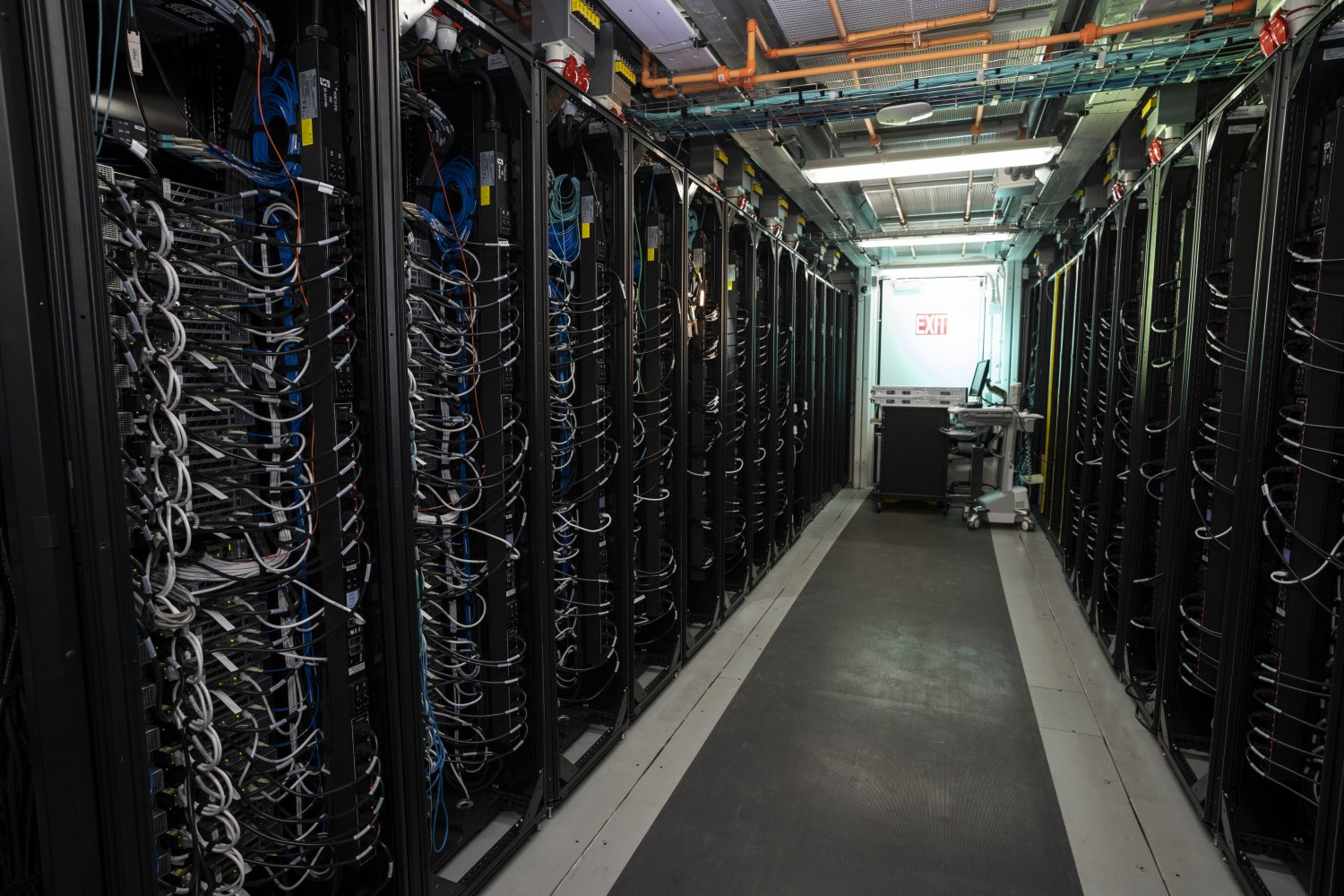
A USAF cadet and a Lincoln Laboratory researcher found AI chatbots can help nontechnical service members produce viable software applications for their unique problems.