Skip to content
#protein folding Open access

Identification of AURKA as a Key Target in Hepatocellular Carcinoma: Integrated Bioinformatics Analysis and Evaluation of Natural Compounds via Molecular Docking

Oct 2026 · ODÜ Tıp Dergisi · 0 citations · 20 references

Abstract

Objective: This study aimed to identify a central molecular target associated with hepatocellular carcinoma (HCC) using bioinformatic methods and to comparatively evaluate the binding potential of reference inhibitors and natural compounds against this target by molecular docking.Materials and Methods: In the GSE76427 microarray dataset (Illumina HumanHT-12 V4.0), 115 HCC tumor tissues were compared with 52 non-tumor liver tissues, and differentially expressed probes were determined with the limma package (adjusted p < 0.05 and |log2 fold change| ≥ 1). A STRING protein–protein interaction (PPI) network was constructed from the up-regulated genes, nodes were ranked by degree, and Aurora kinase A (AURKA) was selected as the docking target based on expression robustness, biological relevance, structural data quality, and druggability. Two reference inhibitors (Sorafenib and Alisertib) and six natural compounds (Curcumin, Quercetin, Luteolin, Kaempferol, Apigenin, Resveratrol) were docked into the 4JBQ crystal structure of AURKA using AutoDock Vina with a shared grid box and identical parameters.Results: A total of 362 probes were differentially expressed (95 up-regulated, 267 down-regulated); down-regulated genes were associated with liver-specific metabolic and detoxification functions, whereas up-regulated genes were related to cell cycle and mitosis. The STRING network comprised 69 nodes and 422 edges (PPI enrichment p < 1.0 × 10⁻¹⁶), and nearly all of the most central nodes were mitotic regulators, with AURKB (degree = 33) and AURKA (degree = 32) ranking first and second. In docking, the highest affinities were obtained for Sorafenib (−9.537 kcal/mol) and Alisertib (−9.066 kcal/mol); among the natural compounds, Curcumin (−8.414 kcal/mol) yielded an energy close to that of the reference inhibitors. Interaction analysis showed that sorafenib formed a hydrogen bond with Ala273 through its urea bridge, a π-cation interaction with the catalytic Lys162, and a halogen bond with Glu181, exhibiting an ATP-competitive binding mode that extended toward the DFG region (Asp274).Conclusion: This integrated approach combining transcriptomic analysis, network biology, and molecular docking highlights AURKA as a central HCC-associated hub gene and computationally prioritizes natural polyphenols, particularly curcumin, as potential AURKA-binding candidates. These docking-based predictions are hypothesis-generating and require experimental validation before any conclusions regarding biological or therapeutic efficacy can be drawn.

Read PDF

Similar papers

#computer vision Review Open access May 2015

A survey study on major technical barriers affecting the decision to adopt cloud services

The comparison of adopter and non-adopter sample reveals three potential adoption inhibitor, security, data privacy, and portability, which underlines the importance of the technical and security perspectives for research investigating the adoption of technology.

Nattakarn Phaphoom, Xiaofeng Wang, S. Samuel et al. · 111 citations · ⚡8
#computer vision Open access Feb 2018

Lean Internal Startups for Software Product Innovation in Large Companies: Enablers and Inhibitors

This study investigates how Lean internal startup facilitates software product innovation in large companies and identifies its enablers and inhibitors, and shows the potential of the method-in-action framework to investigate the Lean startup approach in non-startup context.

Henry Edison, Nina M. Smørsgård, Xiaofeng Wang et al. · 78 citations · ⚡6
#computer vision Book Open access Jul 2015

Understanding the affect of developers: theoretical background and guidelines for psychoempirical software engineering

This paper highlights the challenges to conduct proper affect-related studies with psychology, provides a comprehensive literature review in affect theory, and proposes guidelines for conducting psychoempirical software engineering.

D. Graziotin, Xiaofeng Wang, P. Abrahamsson · 56 citations · ⚡4
#machine learning Open access May 2017

What Influences the Speed of Prototyping? An Empirical Investigation of Twenty Software Startups

This study conducts a multiple case study on twenty European software startups and proposes a prototype-centric learning model in early stage software startups, and identifies factors that occur as barriers but also facilitators for prototyping in earlystage software startups.

Anh Nguyen-Duc, Xiaofeng Wang, P. Abrahamsson · 44 citations · ⚡5
#protein folding Open access Sep 2026

Programmable design of functional proteins from natural language

Pinal, a 16-billion-parameter foundation model that produces protein candidates from natural-language functional descriptions, supports natural language as a high-level interface for candidate generation in protein design, enabling programmable exploration with reduced reliance on manually specified structural or seque...

Fengyuan Dai, Shiyang You, Yudian Zhu et al. · 31 citations · ⚡3

Related blog posts

Google DeepMind Blog Sep 30, 2026

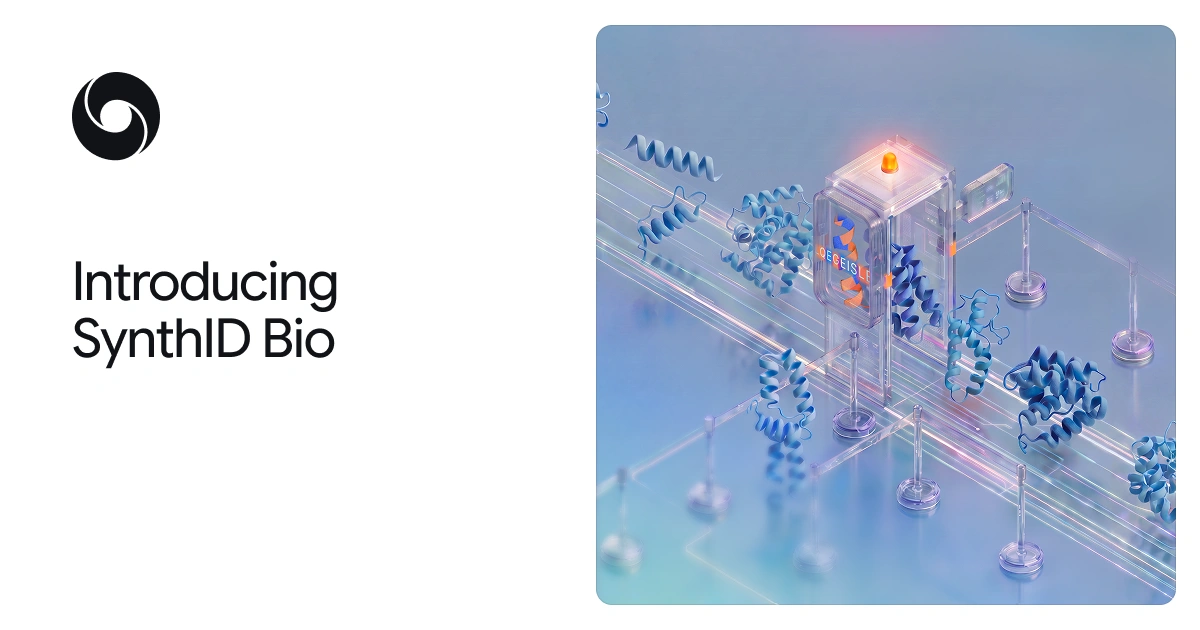
Introducing SynthID Bio

Proof of concept for watermarking AI-generated proteins while preserving biological function.

MIT News · Artificial Intelligence Aug 27, 2026

Looking beyond natural sequences

A new machine-learning framework aims to improve the success rate of computational protein design while moving away from results that reproduce sequences found in nature.

We use cookies to run the site and, with your consent, for analytics and to show ads. See our Cookie Policy.