Skip to content

Category

software testing

591 papers

#software testing Open access Sep 2026

Integrated CAN-Bus System: A Software-Defined Multi-Threaded Instrument Cluster and Open Observability Telemetry Architecture for Vehicle Performance Optimization

The adoption of standalone Engine Control Units (ECUs) in motorsport and research vehicles introduces severe interoperability challenges with OEM electronic architectures, often rendering factory instrument clusters inoperative. Existing commercial displays address this but feature high costs, closed ecosystems, and limited extensibility. This paper presents a low-cost, software-defined automotive instrument cluster and telemetry platform built on a Raspberry Pi 4, bridging heterogeneous vehicle subsystems without modifying ECU firmware. The architecture unifies high-rate CAN bus acquisition, analog digitization, discrete chassis signal monitoring, and GNSS telemetry. To evaluate network expansion, an auxiliary Exhaust Gas Temperature (EGT) loop using a MAX31855 amplifier was integrated to broadcast thermal data over CAN to a Link G4+ ECU. A priority-scheduled multi-threaded software model ensures bounded application-level acquisition alongside graphical visualization and an onboard time-series database (TSDB) with an embedded Grafana observability framework. Experimental validation on a cross-manufacturer testbed (Mazda RX-8 with a Nissan SR20DET engine and Link G4+ ECU) demonstrated stable operation during long-duration testing. Stress-testing up to 1000 frames/s with no frame loss was observed. The results prove the platform provides a highly flexible, extensible, and economically accessible open-source alternative to proprietary motorsport instrumentation.

Georgios Kourtis, Paris Kitsos · 0 citations
#software testing Open access Sep 2026

Industrial Engineering Students’ Acceptance of PLC Learning: A PLS-SEM Analysis Based on the Technology Acceptance Model

The increasing adoption of Industry 4.0 technologies has intensified the need for industrial engineering graduates to acquire competency in Programmable Logic Controller (PLC) programming and industrial automation. Despite the growing implementation of PLC simulation software and digital laboratories, limited empirical research has examined the factors influencing students' acceptance of PLC learning. This study applied the Technology Acceptance Model (TAM) to investigate the relationships among perceived ease of use (PEOU), perceived usefulness (PU), attitude toward PLC learning (ATT), and behavioral intention to use PLC learning systems (BI). A quantitative cross-sectional survey was conducted with 399 undergraduate students from Sichuan Vocational and Technical College of Communications in China who had experience in PLC-related courses. Data were analyzed using Partial Least Squares Structural Equation Modeling (PLS-SEM) with SmartPLS 4. The measurement model demonstrated satisfactory reliability and validity, with outer loadings ranging from 0.797 to 0.886, composite reliability values between 0.882 and 0.911, and average variance extracted (AVE) values between 0.651 and 0.773. Both the Fornell-Larcker criterion and the heterotrait-monotrait ratio confirmed adequate discriminant validity. The structural model supported all proposed hypotheses. Perceived ease of use significantly influenced perceived usefulness (β = 0.416, p < .001) and attitude (β = 0.196, p < .001), perceived usefulness positively affected attitude (β = 0.372, p < .001), and attitude exerted the strongest influence on behavioral intention (β = 0.511, p < .001). The model explained 17.3% of the variance in perceived usefulness, 23.8% in attitude, and 26.1% in behavioral intention. The findings indicate that students' acceptance of PLC learning is most strongly associated with the perceived educational value of PLC instruction, while positive attitudes serve as the most important predictor of continued intention to engage with PLC learning. Multi-group analysis, preceded by measurement invariance testing, indicated that the effect of perceived ease of use on perceived usefulness was significantly stronger for female than for male students, while the model was otherwise invariant across gender, year of study, and prior PLC experience. These results provide practical implications for designing learner-centered PLC curricula that integrate user-friendly learning environments with authentic industrial automation experiences.

Xiaohai Liu, Thada Jantakoon, Rukthin Laoha · 0 citations
#software testing Open access Sep 2026

An Adaptive Dual-Loop Artificial Intelligence Framework for Integrated Disease Surveillance and Health Workforce Learning in Low-Resource Health Systems

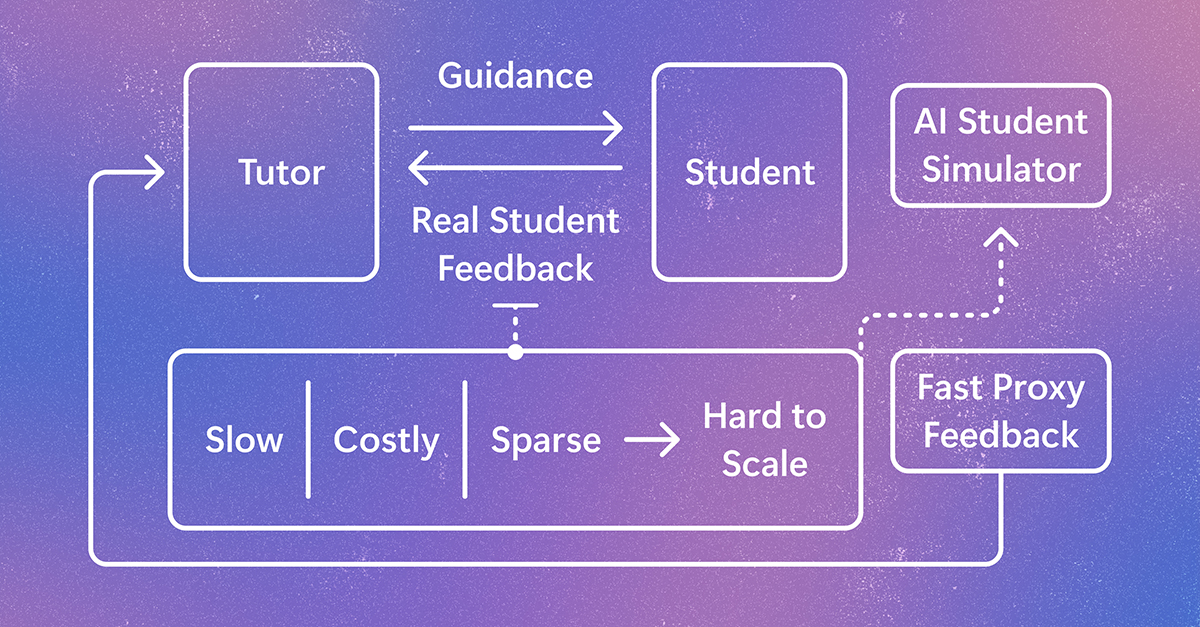
Background: In many low-resource health systems, disease surveillance and workforce training run on separate rails, so outbreaks are caught late, and frontline capacity stays thin. Most artificial intelligence (AI) tools pick one side or the other; almost none couple them. Methods: We built and tested an Adaptive Dual-Loop AI Framework. One loop, for epidemiological intelligence, handles multi-source ingestion, anomaly detection, and time series forecasting; the other, for workforce learning, runs a conversational AI tutor, contextual decision support, and interaction logging. Bidirectional feedback links them. We evaluated the system with a mixedmethods, implementation-science design in 24 facilities and 312 health workers across Nairobi (urban) and Kajiado (rural) counties, AQ1 Kenya, over 10 months, benchmarking the forecaster against ARIMA and rule-based baselines with rolling-window cross-validation on AQ2 Integrated Disease Surveillance and Response and DHIS2 data. Results: The dual-loop model reached an area under the curve of 0.94 (95% CI 0.91–0.96), against 0.81 for ARIMA and 0.72 for threshold rules. Mean lead-time gain was 3.6 days across cholera, malaria, and respiratory infections, and the outbreak-response cycle shortened from 12.9 to 6.2 days (52%). Competency climbed from 55.0% to 75.4% (p < 0.001), engagement tracked that gain (r = 0.76), and reporting completeness rose from 62% to 92%. Conclusion: Coupling prediction with embedded learning delivered gains neither half reached alone, a practical route to adaptive public-health intelligence where resources are scarce. Received: 7 May 2026 | Revised: 13 July 2026 | Accepted: 12 August 2026 Conflicts of Interest The authors declare that they have no conflicts of interest to this work. Data Availability Statement The de-identified analytical datasets, model training and evaluation code, and figure-generation scripts are available on reasonable request to the corresponding author. Raw routine-surveillance data from DHIS2 and IDSR are governed by the Kenya Ministry of Health and available on request with MoH approval. Because these records contain sensitive, potentially reidentifiable data, their use is bound by the Kenya Data Protection Act (2019), the study’s ethical approval (KNH/UoN-ERC/A/0096-2024), and data-sharing agreements. Under managed access, the code, figure-generation scripts, environment specification, and a synthetic dataset that regenerates every reported figure and table are provided to bona fide requesters, so the pipeline can be verified even where the underlying records cannot be redistributed. Author Contribution Statement Kenneth Goga Riany: Conceptualization, Methodology, Software, Validation, Formal analysis, Investigation, Resources, Data curation, Writing – original draft, Writing – review & editing, Visualization, Supervision, Project administration, Funding acquisition. Agnes Linus Muthoni: Conceptualization, Methodology, Software, Validation, Formal analysis, Investigation, Resources, Data curation, Writing – original draft, Writing – review & editing, Visualization, Supervision, Project administration, Funding acquisition. Marcellah Eucabeth Onsomu: Conceptualization, Methodology, Software, Validation, Formal analysis, Investigation, Resources, Data curation, Writing – original draft, Writing – review & editing, Visualization, Supervision, Project administration, Funding acquisition. Pauldy C.J. Otermans: Conceptualization, Methodology, Software, Validation, Formal analysis, Investigation, Resources, Data curation, Writing – original draft, Writing – review & editing, Visualization, Supervision, Project administration, Funding acquisition. Dev Aditya: Conceptualization, Methodology, Software, Validation, Formal analysis, Investigation, Resources, Data curation, Writing – original draft, Writing – review & editing, Visualization, Supervision, Project administration, Funding acquisition.

Kenneth Goga Riany, Agnes Linus Muthoni, Marcellah Onsomu et al. · 0 citations
#software testing Open access Sep 2026

Impact of Shading Devices for Faculty Office Buildings in Tropical Regions—A Case Study in Malaysia

External shading devices play a crucial role in reducing solar radiation entering buildings and are an important strategy for lowering cooling loads in tropical regions with high temperatures, high humidity and intense solar radiation. This study used a combination of field measurements and software simulations to explore the appropriate ratio of overhang shading devices for a faculty office at Universiti Teknologi Malaysia (UTM). By applying the appropriate ratio of shading device, the compliance rate of indoor air temperature (IAT) in the test room can be brought into compliance with the requirement. Building on this, the study simulated the data of IAT and daylight factor (DF) for four common types of external shading devices across 16 building orientations to identify the appropriate shading device for each orientation. This study found that the most suitable shading device for the -45° building orientation (North-west) is the egg crate shading device. Applying it at an appropriate ratio increased compliance rate of IAT of the test room by 20.7%. This study can provide data and theoretical support for the design and practice of shading devices for buildings in tropical regions such as Malaysia.

Jian Peng, Pau Chung Leng, Tengku Intan Suraya Tengku Aziz · 0 citations
#software testing Open access Sep 2026

A Portable Colorimetric Biosensor Platform for Urinary Colorectal Cancer Biomarker Testing in Low-Resource Settings

Early detection of colorectal cancer (CRC) is challenging in low-resource settings because access to colonoscopy and centralized laboratory testing is limited. Urine-based metabolite biomarkers offer a non-invasive alternative for CRC triage, but translating a laboratory assay into a point-of-care (PoC) system requires standardized fluid handling, operator-independent timing, field-compatible reagents, and quantitative calibration. Here, we present a low-cost, semi-automated PoC platform integrating a validated, sequential, three-metabolite CRC-biomarker assay with robotic fluid handling, a motorized chromatographic module, an optical reader, Bluetooth electronics, and tablet-guided control. The platform measures urinary diacetylspermine and hippuric acid, with creatinine serving as a normalization reference, and reports absolute quantitative concentrations. Automated dilution, tube positioning, timed incubation, controlled column elution, and software-guided transfer reduce operator-dependent variation. Using pooled urine samples spiked at clinically relevant concentrations, the creatinine assay showed a strong quadratic response (0–50 mM, R2 = 0.998), as did the diacetylspermine assay (0–4 μM, R2 = 0.979), while the hippuric acid assay showed a linear response of R2 = 0.989. The RGB sensor tracked the concentration-dependent trend observed with a laboratory microplate reader (R2 = 0.968–0.999). Reagents reformulated as lyophilized or pre-weighed, vacuum-sealed kits withstood accelerated heat and humidity (45 °C/70% RH) testing and international shipping to the pilot site very well. At approximately USD 490 for the complete instrument (including tablet) and roughly USD 7.65 in consumables per screening test, the platform offers a practical, quantitative, and portable route for decentralized CRC screening.

K. Prashanthi, Scott MacKay, Songtian Bai et al. · 0 citations
#software testing Open access Sep 2026

Safety and Efficiency of Daytime Operation of Solar Hot Water System

During the operation of evacuated tubular collectors in cold climates, pure propylene glycol or its mixture with water is used as the coolant. The upper permissible heating temperature of pure propylene glycol is 187 °C, and the freezing point is –60 °C. However, the heated mixture, which does not freeze at –40 °C, boils when heated to 108 °C, decomposing into acids and toxic substances. The safety and efficiency of such solar collectors during the day can be ensured by managing their temperature regimes. Purpose: The aim of the work is to develop a method of temperature control of solar collectors and hardware and software complex for its implementation to ensure a safe operation and improve the efficiency of solar hot water supply systems during the daytime. Methodology: For the full-scale testing of the proposed method, pilot-industrial combined solar hot water supply systems with two and four evacuated tubular collectors are used in Kaftanchikovo village of the Tomsk region, in the production workshop of NPO VEST. Research findings: Full-scale experiments allow to obtain and analyze thermal modes of collectors, ensuring a safe operation of combined solar hot water supply systems during the daytime with increased efficiency of converting solar energy into thermal energy. Value: It is shown that the best collector temperature can be adjusted with the collector temperature exceeding 5 to 10 °C. This gives the maximum energy efficiency in converting solar energy into thermal energy.

N. A. Tsvetkov, Yu. O. Krivoshein, A. V. Tolstykh et al. · 0 citations

Computer implementation of psychometric methods for measuring the volume of perception and short-term memory

The paper discusses the development of a desktop software tool for measuring the volume of perception and short-term memory. Accurate measurement of these indicators is crucial for identifying cognitive impairments and developing cognitive rehabilitation programs. The created application provides standardized testing, automatic calculation of results, and their storage. Unlike standalone online tests, the program combines multiple methods in a single interface and allows users to complete them sequentially, providing a comprehensive understanding of their cognitive abilities. It is independent of the Internet, easily adapts to the specialist's tasks, and increases the accuracy and accessibility of diagnostics, which is especially important in conditions of limited access to specialized resources and the need for prompt results.

I.M. Nurkaeva · 0 citations
#software testing Open access Sep 2026

Testicular Echobiometry and Sperm Characterization in Oncilla ( Leopardus tigrinus ) From the Caatinga Biome

ABSTRACT Among neotropical small felids, the Leopardus tigrinus is classified as vulnerable by the International Union for Conservation of Nature, but studies on reproductive morphology and physiology are scarce for conservation strategies. This study aimed to describe testicular biometry and sperm characteristics of L. tigrinus from Ceará, Brazil, in the Caatinga biome. Four animals (≥ 2.3 ± 0.3 years old; 2.5 ± 0.2 kilograms) were chemically restrained with a combination of dexmedetomidine and ketamine. Testicular parenchyma was assessed by ultrasonography, with volumes calculated using Lambert and ellipsoid formulas. Semen was collected by electroejaculation, and macroscopic (volume, color) and microscopic parameters (concentration, motility, viability, hypoosmotic swelling test) were evaluated. Morphology and morphometry were described, and samples were processed for scanning electron microscopy. Statistical analysis was performed using GraphPad Prism software. Results showed that testicular volume calculated by the Lambert and ellipsoid formulas was 3.11 ± 0.21 cm 3 and 2.29 ± 0.16 cm 3 , respectively. Ejaculates had 237.5 ± 89.9 µL volume, 1.4 ± 0.7 × 10 9 sperm/mL concentration, 55.0 ± 15.4% motility, 3.5 ± 0.3 vigor, 51.8 ± 16.8% viability, 75.0 ± 8.6% hypoosmotic response, and 60.8 ± 10.2% morphologically normal spermatozoa. Morphometric analysis described a total length of 29.50 ± 0.10 µm. Ultrastructural evaluation allowed a more detailed description of the sperm morphology, defining the sperm head of oncillas as oval‐shaped, the sperm neck, and the acrosomal regions (equatorial and apical segments). Thus, this study advances knowledge on L. tigrinus reproductive morphophysiology, emphasizing the application of testicular ultrasonography in the species and providing crucial data on sperm characteristics for implementation of reproductive biotechnologies as a conservation strategy.

Yuri Gonçalves Matos, Herlon Victor Rodrigues Silva, Bruna Farias Brito et al. · 0 citations
#software testing Open access Sep 2026

Development of a Mobile Learning Application for Integral Topics Using the Mechanics, Dynamics, and Aesthetics (MDA) Gamification Approach

Learning integral topics in calculus courses is characterized by a high level of complexity, which often leads to low student motivation and limited engagement in the learning process. Gamification in mathematics education has been recognized as an effective approach to enhance learning interaction, particularly for abstract and procedural topics such as integrals; however, the application of a structured gamification framework, specifically mechanics, dynamics, and aesthetics (MDA), in mobile-based calculus learning remains limited. This study aims to develop an Android-based mobile learning application for integral topics by implementing the MDA gamification approach. The research employs the Software Development Life Cycle (SDLC) using the Waterfall model, which consists of requirement analysis, design, implementation, testing, and maintenance stages, involving 34 second-semester students of the Informatics Engineering Study Program as research subjects. The application was evaluated through black-box testing, functional testing, and expert validation. The validation results indicate that the application is categorized as very feasible, with an average score from material experts of 96% and a score from media experts of 95.65%. These findings demonstrate that the MDA-based gamified mobile learning application is highly suitable from both material and media aspects and can serve as an alternative learning medium to support calculus learning, particularly for integral topics.

Triana Harmini, Dihin Muriyatmoko, Muhammad Shofar Riduantara · 0 citations
#software testing Open access Sep 2026

Establishment of epidemiological cut-off values of cefotaxime-sulbactam against Escherichia coli, Klebsiella pneumoniae, Enterobacter cloacae, Proteus mirabilis, Serratia marcescens, Acinetobacter baumannii and Staphylococcus aureus

Objective To establish the epidemiological cut-off (ECOFF) value of cefotaxime-sulbactam against Escherichia coli , Klebsiella pneumoniae , Enterobacter cloacae , Proteus mirabilis , Serratia marcescens , Acinetobacter baumannii , and Staphylococcus aureus . Methods A total of 1,770 non-duplicate clinical isolates were collected from five laboratories in four cities in China. Minimum inhibitory concentrations (MICs) of cefotaxime-sulbactam were determined independently using the broth microdilution method according to EUCAST standards. For A. baumannii , cefotaxime-sulbactam was tested at a 2:1 ratio, whereas for the other species sulbactam was tested at a fixed concentration of 4 mg/L. ECOFFs were determined using ECOFFinder software and visual estimation following EUCAST principles. Results Statistical endpoints at 95%, 97.5%, 99%, 99.5%, and 99.9% were calculated. The final ECOFFs were assigned based on concordance between ECOFFinder-derived estimates and visual inspection, using the 99% endpoint as the primary statistical estimate. The ECOFFs were 0.25/4 mg/L for E. coli and K. pneumoniae ; 0.5/4 mg/L for E. cloacae ; 0.06/4 mg/L for P. mirabilis ; 1/4 mg/L for S. marcescens ; 4/4 mg/L for S. aureus ; and 4/2 mg/L for A. baumannii . Conclusion ECOFFs of cefotaxime–sulbactam were established for seven clinically important bacterial species. These results provide essential reference values for distinguishing wild-type from non-wild-type isolates and support future breakpoint-setting and antimicrobial resistance surveillance.

Menglan Zhou, Yun Wu, Wei Kang et al. · 0 citations
#software testing Open access Sep 2026

PENGARUH INVESTMENT OPPORTUNITY SET, KOMPLEKSITAS OPERASI PERUSAHAAN DAN FINANCIAL DISTRESS TERHADAP AUDIT REPORT LAG

This study aims to examine the effect of investment opportunity set, operational complexity, and financial distress on audit report lag in companies within the Property and Real Estate sector listed on the Indonesia Stock Exchange during the 2020–2024 period. The timeliness of audited financial statement submission is an important aspect for stakeholders in making economic decisions. This study employed a quantitative approach with an associative research design. The population consisted of 92 companies in the Property and Real Estate sector listed on the Indonesia Stock Exchange during the 2020–2024 period. The sample was selected using a purposive sampling technique, resulting in 17 companies with a total of 85 panel data observations. The study used secondary data obtained from the companies' annual financial statements. Data were analyzed using panel data regression with EViews 13 software. Based on the model selection tests, the Common Effect Model (CEM) was identified as the most appropriate panel data regression model for this study. The results indicate that, partially, the investment opportunity set has no significant effect on audit report lag. In contrast, operational complexity and financial distress have a significant effect on audit report lag. Simultaneously, investment opportunity set, operational complexity, and financial distress significantly affect audit report lag.

Puspa Vema Aulia Putri, Siti Chaerunisa Prastiani · 0 citations
#software testing Open access Sep 2026

Assessment of groundwater potential zones and artificial recharge structures mapping for sustainable water resources planning based on remote sensing and GIS approaches

The efficient management of groundwater requires judicious use of resources, considering the limited surface water availability and unprecedented rainfall occurrence. The Tikamgarh district area is a need more effective policy for sustainable groundwater development and management due to severe groundwater stress, over-extraction, limited recharge capacity, and recurrent drought conditions. Artificial recharge is another method for enhancing groundwater and surface water resources. The various thematics layers such as soil, geomorphology, lineament density, slope, land use and land cover (LULC), drainage density (DD), geology, and aspect have been used in this study. These layers were normalized using the analytic hierarchy process (AHP) eigenvector method and weighted based on Saaty’s five-point scale in order to identify groundwater potential zones (GWPZs) and recommend suitable sites for artificial recharge structures by using geographic information system (GIS) framework throughout the district area. Spatial maps have been created from satellite datasets using ArcGIS10.5 software. These maps provide valuable information related to the study area. The developed GWPZs were divided into five classes according to the statistical data, which ranges from very high to very low potential zones. The accuracy and the feasibility of the recharge sites recommended by the GWPZ maps are validated using ROC curve analysis. During validation of recharge sites map accuracy is showing the area under the curve (AUC) of 0.79%, while the GWPZ map showing training and testing accuracy is 0.724 and 0.704, respectively. After the investigate of the study area, we have suggested artificial recharge structures, such as cement nala bunds (CNBs), check dams, dams, farm ponds, and wells. This results of study area can helpful and valuable information for planning groundwater resources and sustainable farming practices and enhance local water security.

Kanak N. Moharir, Neyara Radwan, Chaitanya Baliram Pande et al. · 0 citations

From tech blogs

See all →
MIT News · Artificial Intelligence Aug 17, 2026

Q&A: Rethinking how innovation happens

In his latest book, Professor Eugene Fitzgerald examines the forces that turn breakthroughs into value — and why innovation resists simple formulas.