AI Marketing Capabilities and Purchase Intention in Indonesian E-Commerce: Mediating Effects of Platform Trust and AI Transparency, and a Strategic Marketing and Digital Human Resource Capability Perspective
Background AI-driven personalized marketing is increasingly important in e-commerce, yet how personalization translates into purchase intention remains underexplored. Platform Trust and AI Transparency have received limited empirical attention as mediating mechanisms, particularly in the Indonesian context. Methods A quantitative cross-sectional survey was conducted from February to March 2025 among 248 active e-commerce users in Jakarta, Yogyakarta, Bandung, and Surabaya. Data were analyzed using Partial Least Squares Structural Equation Modeling (PLS-SEM) in SmartPLS 4, with 5,000 bootstrap resamples to assess direct and mediated effects. Results The measurement model demonstrated acceptable reliability and validity (outer loadings 0.719–0.902; Cronbach’s alpha 0.757–0.882; composite reliability 0.846–0.925; AVE 0.578–0.803; HTMT <0.85). The model explained 60.4% of Purchase Intention, 46.2% of Platform Trust, and 33.2% of AI Transparency. Perceived Personalization had the strongest association with Platform Trust (beta = 0.442, p < 0.001), while its largest mediated effect on Purchase Intention operated through Platform Trust (beta = 0.125, p < 0.001). Perceived Usefulness directly predicted Purchase Intention (beta = 0.205, p < 0.001) and also showed significant indirect effects through both mediators. AI Responsiveness operated primarily through Platform Trust (beta = 0.056) and AI Transparency (beta = 0.057). All six mediation paths were significant (p < 0.001). Conclusions Within the limits of the cross-sectional design, personalization and AI responsiveness were not primarily associated with purchase intention as standalone predictors; their effects operated substantially through Platform Trust and, to a lesser extent, AI Transparency. The findings suggest that AI marketing capabilities generate commercial value when translated into relational and cognitive assets. Platforms should therefore combine personalization and responsiveness with trust-building mechanisms, interpretable recommendations, and adequate digital capabilities. Longitudinal or experimental research is needed to establish temporal and causal relationships.

Social commerce systems require precise modeling of how content cues and source features drive consumer purchases. This study evaluates the structural impact of customer reviews, influencer endorsements, and influencer credibility on purchase intentions for Skintific cosmetic products in Indonesia, with brand trust exa...
Paulus Yokie Radnan, Gebby Chandra, Juniarty Siahaan et al.· International Conference on...· 0 citations
Research Aim: This study examines the influence of human-centric AI marketing on consumer trust, customer well-being, and digital loyalty within the Society 5.0 framework, while uncovering the mediating mechanisms connecting these four constructs integratively.
Design/Methods/Approach: A quantitative approach was empl...
Gesty Ernestivita, S. Subagyo, Vikas Kumar et al.· Jurnal Nusantara Aplikasi Ma...· 0 citations
The rapid diffusion of artificial intelligence (AI) in e-commerce has transformed consumer interactions with digital platforms through algorithmic recommendation systems. However, their complexity and opacity raise concerns about transparency and trust. This study examines how explainable AI-driven recommendation quali...
Ajeet Tiwari, Sheshpal Namdeo· International Journal of Ele...· 1 citation
The emergence of Agentic Artificial Intelligence (Agentic AI) is transforming marketing management through systems capable of understanding consumer objectives, generating recommendations, evaluating alternatives, and supporting purchasing decisions. This study aims to examine the effect of Customer Experience on Purch...
M. Iqbal, Ullya Rahmi Aswin, Howardi Visza Adha· Jurnal Penelitian Ilmu Ekono...· 0 citations
While AI-generated social media influencers can provide consistency, scalability, and creative control to the textile industry, there is a question about their credibility when they make sustainability-related statements. The current research investigates how the effectiveness of AI-influencers affects consumers' trust...
Muhammad Shareef, Akhter Hamid Hussain Hamid Hussain· Journal of Sustainable Earth...· 0 citations
Algorithmic explanations may inform consumer evaluation, but understanding a rationale and trusting its source are distinct judgments. Drawing on Signaling Theory, this study develops a conditional framework in which explanations provide useful information when they are comprehensible, decision-relevant, and credible....
Paula Peres, Marta Fernandes· Information· 0 citations
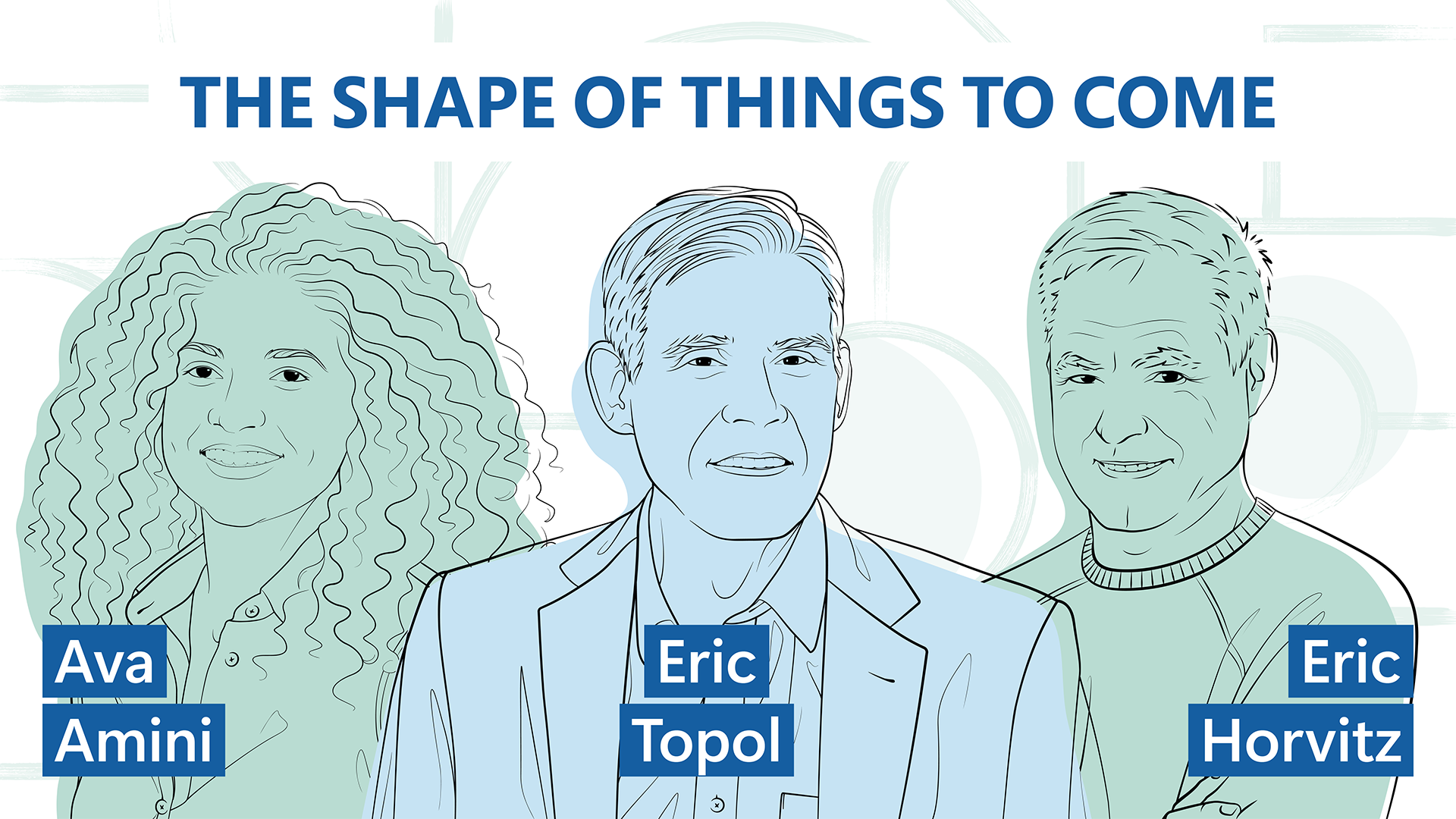
What can AI enable in medicine, and how do we get there? Microsoft Research lead Doug Burger, Microsoft Principal Research Manager Ava Amini, Microsoft Chief Scientific Officer Eric Horvitz, and physician-scientist Eric Topol of Scripps Research explore these questions and more. The post Can AI help build a healthier future? appeared first on Microsoft Research.
We use cookies to run the site and, with your consent, for analytics and to show ads.
See our Cookie Policy.